TMS for the treatment of gambling disorder
TMS for the treatment of gambling disorder. Gambling disorder is a condition that creeps slowly into people’s lives

TMS for the treatment of gambling disorder. Gambling disorder is a condition that creeps slowly into people’s lives, often without obvious signs in the early stages. It is not only about a person’s relationship with gambling: it affects emotional balance, social relationships, financial stability and, at a deeper level, the functioning of specific brain circuits linked to impulse control and reward. In recent years, modern medicine has begun to look at this disorder with an increasingly integrated approach, adding new neuromodulation technologies to psychological and pharmacological treatments. Among these, Transcranial Magnetic Stimulation (TMS) is emerging as a promising tool in the treatment of gambling disorder, offering an innovative, non-invasive prospect.
Gambling disorder as a neurobehavioral condition to be treated with TMS
Pathological gambling, now defined as gambling disorder, is no longer considered a simple weakness of character. Scientific research has shown that compulsive behavior rests on alterations in the brain mechanisms that regulate pleasure, reward and self-control. These systems, essential for survival and adaptation, can become unbalanced when repeated exposure to rewarding stimuli, such as gambling, changes the brain’s response.
Reward circuits and impulse control
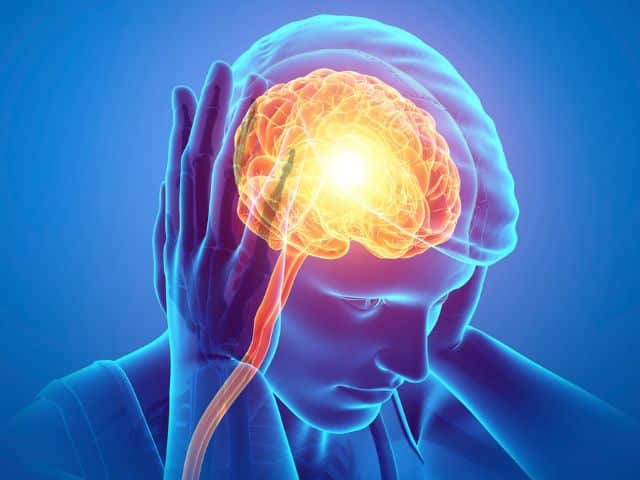
In the human brain there is a complex network of areas that communicate with one another to regulate motivation and behavior. In gambling disorder, some of these areas show altered activity. In particular, the prefrontal cortex, which is responsible for planning and impulse control, tends to become less effective, while the dopamine-driven reward circuits become overactive. This imbalance makes it hard to resist the urge to gamble, even when the person is aware of the negative consequences.
From the psychological to the neurobiological dimension
Recognizing the neurobiological basis of gambling disorder has opened the way to new therapeutic approaches. Alongside psychotherapy and support programs, medicine has begun to explore techniques that can directly modulate brain activity. It is in this context, aimed at countering gambling disorder, that TMS comes in: a method that makes it possible to act in a targeted and controlled way on specific areas of the brain.
What is Transcranial Magnetic Stimulation?
Transcranial Magnetic Stimulation, often referred to by the acronym TMS, is a non-invasive neuromodulation technique. It uses magnetic fields to induce low-intensity electrical currents in specific regions of the brain, with no need for surgery or anesthesia. It is based on the principle of electromagnetic induction, which makes it possible to influence neuronal activity in a selective and reversible way.
An established technology
TMS has been used for years in neurology and psychiatry, particularly in the treatment of drug-resistant depression. Its use has gradually extended to other disorders, including some forms of behavioral addiction. The safety of the procedure is supported by numerous clinical studies and by the experience accumulated in clinical practice, which have defined standardized protocols and patient selection criteria.
What a TMS session is like
During a session, the patient sits comfortably and stays alert throughout the treatment. A magnetic coil is placed on the scalp, over the area of the brain to be stimulated. The magnetic field passes through the skull painlessly and stimulates the neurons beneath it. Sessions vary in length, generally between twenty and forty minutes, and are repeated according to specific protocols.
The rationale for TMS in gambling disorder
The use of Transcranial Magnetic Stimulation in gambling disorder is based on the possibility of rebalancing the activity of the brain areas involved in the disorder. In particular, attention is focused on the dorsolateral prefrontal cortex, a key region for controlling decisions and impulses.
Modulating craving and impulsivity
One of the main goals of TMS in the treatment of gambling disorder is to reduce craving, that is, the intense and persistent desire to gamble. By stimulating the prefrontal cortex, TMS can help strengthen self-control mechanisms and reduce the excessive activity of the reward circuits. In many patients, this neuromodulatory effect translates into a greater ability to resist impulses and to manage high-risk situations.
Support for traditional treatment pathways
Transcranial Magnetic Stimulation is not offered as a stand-alone treatment, but as part of an integrated approach. Clinical experience suggests that the best results are achieved when TMS is part of a pathway that includes psychological support, education about the disorder and, when necessary, medication. In this sense, TMS is a support that enhances the overall effectiveness of treatment.
Clinical evidence and trends in modern medicine
In recent years, the scientific literature has shown growing interest in the use of TMS in behavioral addiction disorders. Preliminary studies and clinical research indicate a significant reduction in symptoms in some of the patients treated, with benefits that can last over time if accompanied by adequate follow-up.
Results observed in clinical practice
Although research is still evolving, many protocols report improvements in impulse management, a decrease in the frequency of gambling behavior and greater emotional stability. These results are particularly relevant for patients who have not responded satisfactorily to traditional therapies.
Increasingly personalized medicine
The use of Transcranial Magnetic Stimulation is part of a broader trend in modern medicine toward personalized, targeted treatments. The ability to modulate specific areas of the brain makes it possible to tailor the intervention to the individual characteristics of the patient, taking into account the severity of the disorder, the medical history and the response to previous treatments.
Advantages and limitations of TMS for the treatment of gambling disorder
Like any medical intervention, TMS has advantages and limitations that must be clearly understood. Its main strength is that it is non-invasive, which makes it an option that many patients tolerate well. Side effects are generally mild and temporary, such as slight discomfort on the scalp or a feeling of muscle tension.
A gradual and reversible approach
The reversibility of the effects of TMS is an important safety feature. Brain activity is modulated without permanent changes to nervous system structures, so treatment can be stopped or adjusted based on the patient’s response. This is particularly relevant in a complex disorder such as gambling disorder, which requires therapeutic flexibility.
The need for a specialist assessment
It is essential to stress that Transcranial Magnetic Stimulation must be offered within an appropriate clinical setting. Selecting patients, defining the protocol and monitoring results require specific expertise and a multidisciplinary evaluation. TMS does not replace the course of treatment, but supplements it in a targeted way.
TMS also as a tool for preventing gambling disorder
One of the most important aspects in the treatment of gambling disorder is preventing relapse. Even after a period of abstinence from gambling, the risk of returning to compulsive behavior remains high. In this context, Transcranial Magnetic Stimulation can play a supporting role, helping to stabilize the brain circuits involved and to strengthen self-control.
Help over the long term
The possibility of scheduling treatment cycles or booster sessions makes TMS a tool that can be adapted to the patient’s needs over time. This approach is in line with a view of care as an ongoing process rather than an occasional intervention.
A perspective of informed care
Tackling gambling disorder takes time, expertise and a broad view of health. Transcranial Magnetic Stimulation is an example of how modern medicine is expanding its tools, bringing together neuroscientific knowledge and advanced technologies to meet complex needs. It is not an immediate solution, but an opportunity that, as part of a structured pathway, can contribute significantly to restoring personal balance. The Istituto Neurodiagnostico Vaia of the NefroCenter group is at the forefront of treating the symptoms of gambling disorder through Transcranial Magnetic Stimulation.