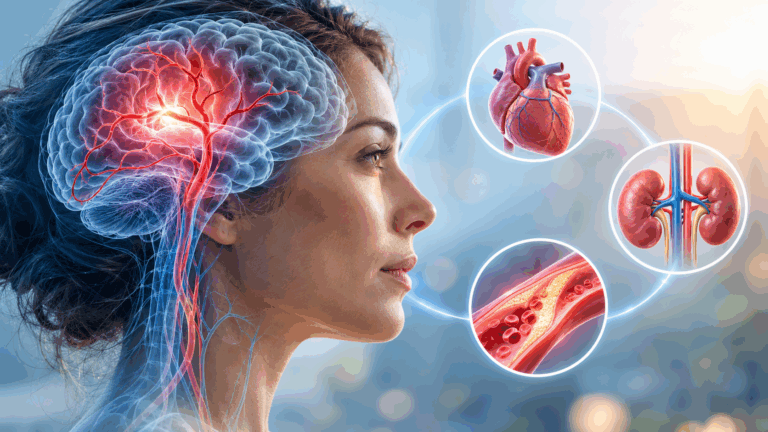
Tourette syndrome
Tourette syndrome has an evident manifestation, with involuntary and repeated motor and vocal tics. It is a neurological disorder
Tourette syndrome has an evident manifestation, with involuntary and repeated motor and vocal tics. It is a neurological disorder that shows up in different ways. People who have it constantly show throat clearing or eye movements, up to complex vocalizations or more elaborate movements.
The causes of Tourette syndrome
Researchers have not yet precisely identified the exact causes of Tourette syndrome. The theory is that several triggering factors are involved, including:
- Genetics. The genetic component in Tourette syndrome may be a cause, since certain genes may predispose people to develop this condition.
- Neurotransmitters. Alteration of neurotransmitters in the brain, such as dopamine, may contribute to the development of tics.
- Infections or trauma. According to one theory, symptoms could be triggered by infections or head trauma in people who are already predisposed.
Symptoms
The most common symptoms of Tourette syndrome can be more or less evident.
- Motor tics. The symptoms that appear most evidently are eye blinking, throat clearing, making faces, twisting the body. Initially they need to be assessed by a specialist.
- Vocal tics. The syndrome leads those who have it to make sudden sounds, repeat words or phrases, clear their throat.
- Comorbidities. It may be associated with other disorders, such as attention deficit/hyperactivity disorder (ADHD), obsessive-compulsive disorders (OCD) and anxiety.
Which specialist to see
If Tourette syndrome is suspected, it is essential to see a specialist, who could be either a neurologist or a psychologist from the NefroCenter Group. The neurologist, in particular, is the most appropriate specialist for the diagnosis and treatment of this condition. A psychologist’s help, on the other hand, can be important when other factors are associated, such as ADHD (attention deficit/hyperactivity disorder) or OCD (obsessive-compulsive disorders).
Tests to be done
The diagnosis of Tourette syndrome is based mainly on observing the symptoms. The description of the tics by the patient and by family members is essential. However, the specialist may request some tests to rule out other causes and to assess the presence of disorders associated with the condition. Blood tests may in fact be requested to rule out other diseases. In some cases, the neurologist requests a magnetic resonance imaging (MRI) scan to assess the structure of the brain or a positron emission tomography (PET) scan to study how the brain functions.
Treatments and therapies
Unfortunately, to date there is no definitive cure for Tourette syndrome. Even so, there are several treatment options that help people with the condition manage symptoms and improve their quality of life.
These are the therapies available today that help people cope with the syndrome:
- Behavioral therapy. Habit reversal and systematic desensitization are techniques that can help reduce the frequency and intensity of tics.
- Medications. To reduce tics, medications are used that treat disorders such as ADHD (attention deficit/hyperactivity disorder) or OCD (obsessive-compulsive disorders).
- Group therapy. Psychological support is useful for dealing with the emotional and social difficulties associated with Tourette syndrome.