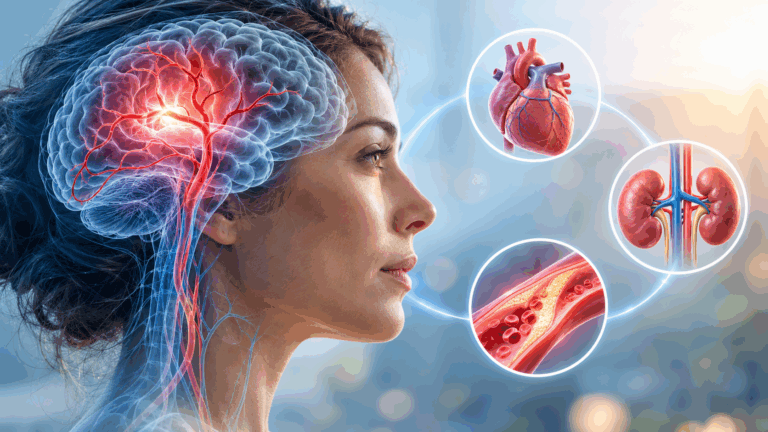
Transcranial magnetic stimulation for addiction
Transcranial magnetic stimulation is a treatment that uses magnetic energy. It improves connectivity and plasticity of brain cells

Transcranial magnetic stimulation is a treatment that uses magnetic energy. It improves the connectivity and plasticity of brain cells and helps bring about the definitive resolution of psychiatric and neurological conditions.
Transcranial magnetic stimulation (TMS) when traditional treatments are not effective
In neurological and psychiatric conditions, traditional treatments such as drug therapy and psychotherapy have proven effective for many people. However, a significant part of the population does not respond adequately to traditional treatments. In this context, transcranial magnetic stimulation (TMS) represents an important alternative as a curative treatment.
What transcranial magnetic stimulation (TMS) is and how it works
Transcranial magnetic stimulation (TMS) is a new treatment that, through magnetic energy:
improves the connections and plasticity of the brain cells responsible for the symptoms;
reduces symptoms until the definitive resolution of various psychiatric and neurological conditions.
It is based on electromagnetic induction and is safe and effective. It is performed with a coil that generates a magnetic field that passes through the skull and induces a stimulus in the nervous tissue that modulates the activity of the neurons, ending up correcting it and resolving the symptoms expressed.
What it is used for
The proof of TMS’s effectiveness lies in its international recognition. In 2008 it received approval from the U.S. Food and Drug Administration (FDA) for the treatment of certain neurological and psychiatric conditions. The following have been treated with this method:
- major depression when it does not respond to traditional treatments;
- addictions (gambling, drugs, alcohol, tobacco, etc.);
- motor deficit after a brain injury (stroke, multiple sclerosis, after-effects of brain surgery, head trauma);
- language disorders and other cognitive disorders (aphasia, memory loss, apraxia, hemispatial neglect) after a stroke or other brain injury;
- central pain (from brain injury, in particular of the thalamus);
- eating disorders.
How TMS is able to treat
TMS works by increasing or decreasing conduction between the different neurological cell centers that regulate mood, behavior, motor ability and memory. This is possible because today we are able to know and understand the complex network of connectivity, which is the matter through which our emotions, our information and our behavior regulators run. Specifically, in people affected by the conditions mentioned, the magnetic stimulus acts on neurotransmitters and on inflammation. When repeated over time, TMS changes the functional architecture of the brain, bringing it back from the disease state to a normal condition. After a few weeks of treatment many patients begin to notice improvements in their symptoms, improving their quality of life and daily functioning.
TMS combined with traditional treatments
TMS can be combined with traditional treatments, in particular: with psychotherapy; with drug treatments, especially in resistant cases, for which it is particularly indicated.
The advantages
Among the main advantages of TMS are: its effectiveness where drugs are no longer able to treat the condition, or for patients who do not tolerate them; its use in cases where drugs cannot be taken. For example, women who are pregnant, during the postpartum period and in people with diabetes. TMS, therefore, improves the effect of drug treatment and makes it possible to reduce it or, in some cases, even to stop it.
Other benefits of transcranial magnetic stimulation
Non-invasive. The patient feels only a slight sensation on the skin. In addition, the psychological exercise protocols developed by the Centro Vaia of the NefroCenter group allow the patient, in some conditions, to take an active part during the sessions with mental exercises;
Short sessions. They last from 20 to 30 minutes and are carried out on an outpatient basis. This allows patients to return to their normal activities right after the session.
How to get started
To determine the number of sessions, an initial clinical visit is essential, during which the specialist will assess your specific situation and provide all the information needed to start the pathway safely.
For more information, call 081 18124868:
Monday to Friday from 8:00 a.m. to 5:30 p.m.;
or send a WhatsApp message to 081 18124868 to be contacted.