Asthma and winter: how to protect your airways
Asthma and winter: how to protect your airways. Bronchial asthma is a chronic inflammatory disease of the airways
Asthma and winter: how to protect your airways. Bronchial asthma is a chronic inflammatory disease of the airways that tends to get considerably worse in winter. This happens because of a series of complex interactions among environmental, behavioral and pathophysiological factors. When we speak of a “synergy among environmental, behavioral and pathophysiological factors”, we mean how different categories of factors influence one another, amplifying or changing the overall effect on a specific condition, in this case the worsening of bronchial asthma during the cold season. The NefroCenter Group can carry out specialist visits and diagnostic tests at its facilities.
- Environmental factors relate to the outside conditions that affect our body. For people with asthma, these include cold, dry air, air pollution and the presence of allergens. These elements can irritate the airways, triggering or worsening asthma symptoms.
- Behavioral factors refer to our daily habits and actions. In the case of asthma, this includes exposure to viral infections such as colds and flu, outdoor physical activity in unfavorable weather, and adherence to the prescribed therapy. These aspects can increase vulnerability to asthma exacerbations or influence how intense the symptoms are.
- Finally, pathophysiological factors relate to the biological processes and functional changes that take place in our body. In asthma, these include bronchial hyperreactivity, immune dysfunction and airway remodeling. These factors determine how we respond to environmental and behavioral triggers, influencing the severity and frequency of asthma attacks.
Risk factors for asthma in winter
Cold, dry air
Exposure to cold air can trigger bronchospasm for various reasons. In addition, dry air, often found in heated indoor spaces, can further aggravate irritation of the airways. This happens because cold receptors in the respiratory tract are stimulated, leading to the release of inflammatory substances. In addition, water evaporation from the bronchial mucosa increases, causing hyperosmolarity and irritation. Cold air also reduces the mucosa’s ability to clear itself, favoring the buildup of secretions and inflammation.
Respiratory infections
Respiratory viruses, such as rhinovirus and the influenza virus, are among the main triggers of asthma attacks. When a viral infection occurs, there is inflammation of the airways, increased mucus production and greater bronchial reactivity. For people with asthma, the inflammatory response to these infections is often more intense.
Indoor air
Central heating tends to lower the humidity of the air, drying out the respiratory mucosa and increasing the risk of infections. Closed spaces can also increase the concentration of allergens (such as dust mites and mold) and irritants (such as tobacco smoke and environmental pollution).
Outdoor physical activity
Exercise-induced asthma is triggered when you hyperventilate cold, dry air during exercise. The bronchospasm caused by physical activity is linked to the loss of heat and water from the airways.
Strategies to prevent and manage asthma during winter
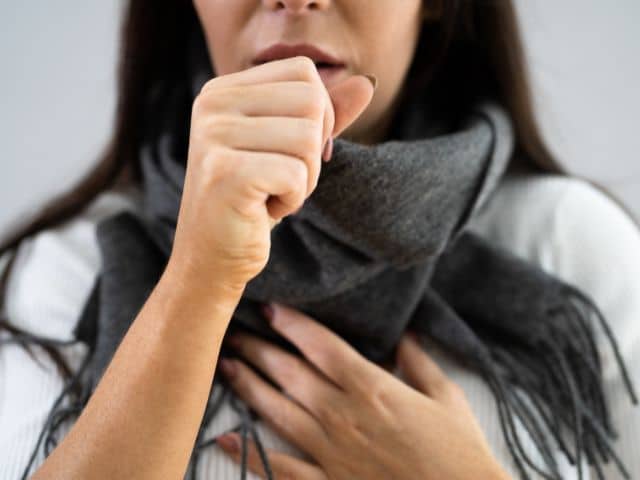
- Cover your nose and mouth well. Wearing scarves or masks helps warm and humidify the air we breathe, reducing the risk of bronchospasm.
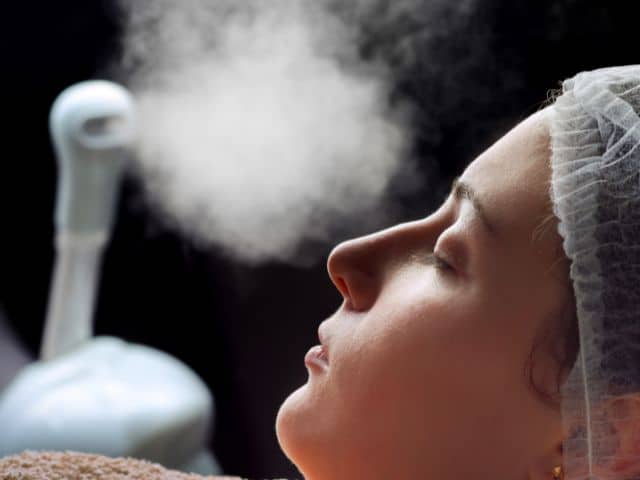
- Humidify the air at home. Using humidifiers can really ease asthma symptoms, making your home environment more comfortable.
- Pay attention to hand hygiene and get vaccinated. Preventing respiratory infections is essential: washing your hands and getting the flu vaccine can reduce the risk of exacerbations.
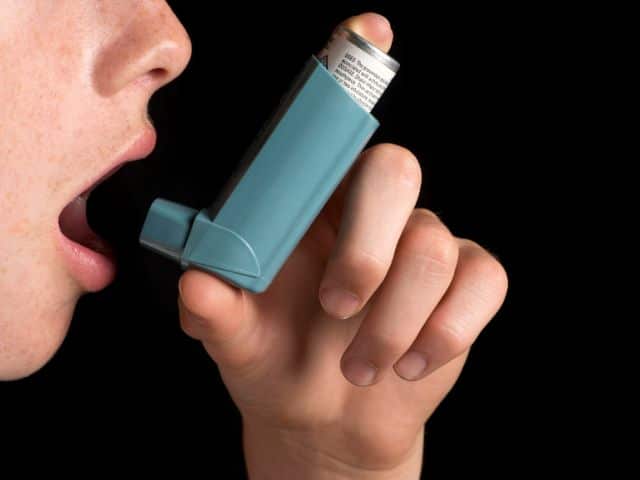
- Follow your drug therapy. It is important to stick to your asthma control plan, which includes inhaled corticosteroids and long-acting bronchodilators, to prevent attacks. Short-acting bronchodilators are useful for treating acute symptoms.
- Monitor your symptoms and follow an action plan. Keeping an eye on your symptoms and your peak expiratory flow (PEF) helps you spot any worsening early. A personalized action plan, provided by your doctor, will guide you in managing exacerbations.
- Consider pulmonary rehabilitation. Pulmonary rehabilitation programs can improve your exercise tolerance and quality of life if you have asthma.
https://www.nefrocenter.it/la-bpco-come-curare-la-broncopneumopatia-cronica-ostruttiva/