Ozone therapy in pulmonology
Ozone therapy in pulmonology. Ozone therapy, which uses a mixture of oxygen and ozone, is achieving more and more results
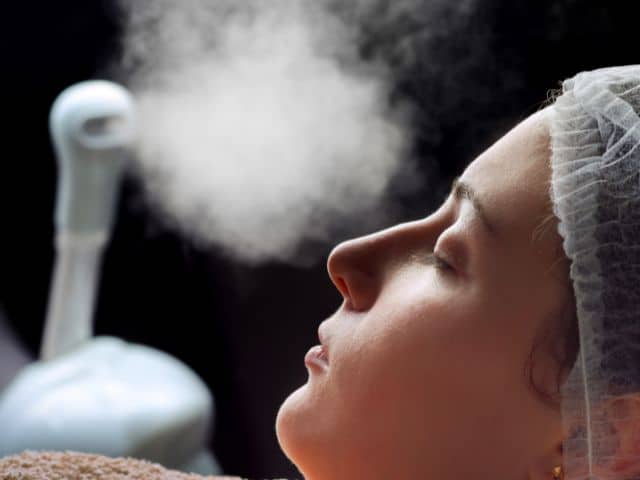
Ozone therapy in pulmonology. Ozone therapy, which involves the use of a mixture of oxygen and ozone, is achieving more and more results as a complementary treatment option in pulmonology, showing potential advantages in the treatment of various respiratory diseases. There are several mechanisms of ozone therapy in pulmonology:
Anti-inflammatory action
Ozone interacts with the cells of the immune system, influencing the production of cytokines, which are key molecules in the inflammatory response. It reduces the release of pro-inflammatory cytokines, such as TNF-α and interleukin-1β, which are responsible for chronic inflammation of the airways. It also increases the production of anti-inflammatory cytokines, such as interleukin-10, which help to resolve inflammation.
Antimicrobial action
Ozone has been shown to be effective against a broad spectrum of microorganisms, including bacteria, viruses and fungi. It acts by damaging the cell membrane of microorganisms, compromising their viability. This can prove useful in the treatment of respiratory infections, such as pneumonia and bronchitis, especially in situations of antibiotic resistance.
Improved tissue oxygenation
Ozone can improve pulmonary microcirculation, making it easier to supply oxygen to the tissues. It stimulates the production of 2,3-diphosphoglycerate (2,3-DPG), a molecule that helps release oxygen from hemoglobin to the tissues. This is particularly beneficial in conditions such as COPD and cystic fibrosis, where lung oxygenation is compromised.
Stimulation of the immune system
Ozone can activate the immune system, improving the response to infections. It stimulates the production of interferons, molecules that play a key role in antiviral defense. It increases the activity of macrophages, immune system cells that engulf microorganisms.
Respiratory conditions that benefit from ozone therapy in pulmonology
Ozone therapy in pulmonology must be carried out by qualified medical professionals in specialized centers. In the facilities of the NefroCenter group only specialists work, following treatment protocols recognized worldwide. The respiratory conditions in which ozone therapy is effective are:
- Chronic obstructive pulmonary disease (COPD). It helps reduce inflammation of the airways. It also helps improve lung function by reducing the number of exacerbations.
- Asthma. It reduces bronchial hyperreactivity as well as decreasing the frequency and intensity of attacks, and in general improves the quality of life of people with asthma.
- Cystic fibrosis. It promotes better mucus clearance, reducing lung infections and improving lung function.
- Respiratory infections. It can be a complementary treatment for pneumonia, bronchitis and other infections. In fact, it is particularly useful in cases of antibiotic resistance.
- Allergic rhinitis. It reduces inflammation of the nasal mucous membranes as it relieves allergy symptoms.
Methods of administering ozone therapy in pulmonology
Ozone therapy is gaining more and more attention in the field of complementary therapies in pulmonology, presenting an innovative approach to dealing with various respiratory diseases. These are the specific benefits for each condition and how it is administered.
- Rectal insufflation. A minimally invasive technique that allows ozone to be absorbed through the rectal mucosa and enter the bloodstream. It is particularly useful for treating systemic conditions involving the lungs.
- Major autohemotherapy (MAHT). In this case, the patient’s blood is drawn, ozonated and then reinfused, taking advantage of the systemic effect of ozone. It is indicated for chronic inflammatory conditions and systemic infections.
- Ozone inhalation. Ozone is inhaled through a specific device, allowing a direct action on the airways. It is useful in the treatment of lung diseases such as asthma, COPD and cystic fibrosis.
- Local infiltrations. In this case ozone is injected directly into the affected tissues, allowing a targeted action. This technique is used in specific cases to treat localized inflammatory conditions.