Bronchitis: how to treat and prevent it based on your symptoms
Bronchitis is an inflammation of the lower airways. It is quite a common condition in the winter months.

Bronchitis is an inflammation of the lower airways. It is quite a common condition in the winter months. Cold weather, dry air and the increase in viral infections create fertile ground for this condition to develop. It is therefore essential to take an in-depth look at the symptoms, treatment options and prevention strategies in order to manage bronchitis as well as possible and maintain respiratory health.
The symptoms of bronchitis
It presents with a series of symptoms that can vary in both intensity and duration. For this reason, understanding the symptoms thoroughly is essential to reach a correct diagnosis and an effective treatment. The variety and combination of symptoms can make diagnosing bronchitis quite complex. For this reason, it is essential to see a doctor for an accurate evaluation and a tailored treatment plan. If the doctor orders further tests, you can have diagnostic tests at the centers of the NefroCenter Group. These are the main ones:
Persistent cough
Cough is without a doubt the most common and persistent symptom of bronchitis. At first it may be dry and bothersome, but over time it can turn into a productive cough, accompanied by the expulsion of mucus. A cough that lasts for weeks is a key sign of bronchitis, which sets it apart from other respiratory infections.
Mucus production (sputum)
Sputum, the mucus that is coughed up, can vary in color and consistency. Clear or white mucus is typical of viral bronchitis, while yellow or green mucus may suggest a secondary bacterial infection. The amount and consistency of the sputum can give an indication of the severity of the infection.
Chest pain
Chest pain, which can be sharp or dull, tends to get worse with coughing and deep breathing. This symptom can signal significant inflammation of the airways and, in some cases, can be confused with other lung or heart conditions.
Dyspnea
Dyspnea, or difficulty breathing, is a warning sign that should not be underestimated. This serious symptom requires immediate medical attention, especially in cases of severe bronchitis, and can particularly affect people who already have lung problems such as chronic obstructive pulmonary disease (COPD) or asthma.
Sore throat
Sore throat and hoarseness are other symptoms that may occur. Inflammation of the upper airways can extend to the throat, causing discomfort that makes it hard to speak and swallow.
Fever
Fever and chills are signs that an infection is under way. Their presence suggests that the bronchitis may be caused by a virus or a bacterium that has invaded our immune system.
Myalgia and asthenia
Muscle aches and fatigue, known as myalgia and asthenia, are debilitating symptoms that can accompany bronchitis, affecting our overall well-being and making it hard to carry on with normal daily activities. It is important to note that these symptoms can persist even after the respiratory problems have resolved.
Treating bronchitis
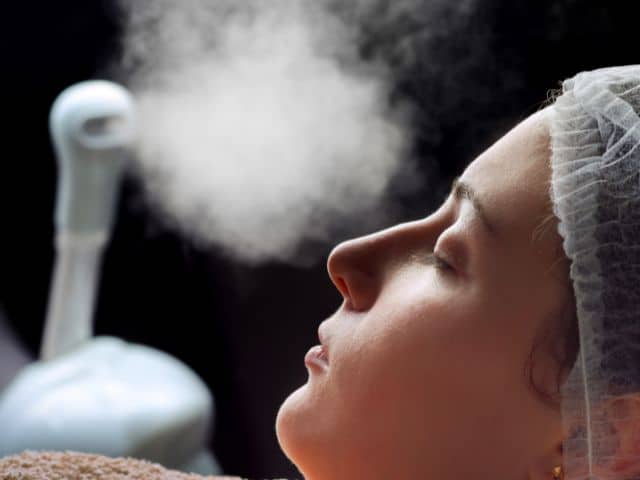
Treatment of bronchitis, whether acute or chronic, focuses on relieving symptoms and promoting recovery, with an approach tailored to the cause and severity of the condition. Adequate rest is essential so that the body can concentrate its energy on fighting the infection. Avoiding intense physical activity and getting good-quality sleep support the regeneration of the airways and the strengthening of the immune system. Drinking warm liquids, such as tea, broths and herbal teas, helps thin the mucus, making it easier to cough up. Constant hydration keeps the airways moist and soothes irritation. Using a humidifier, especially at night, keeps the air moist, reducing irritation of the airways and making breathing easier. Inhaling steam, through steam inhalation or hot showers, can soothe cough and sore throat.
Treatment with medications
Depending on the case, medications can be used to relieve symptoms and lead to recovery.
- Cough suppressants. Useful for dry, irritating coughs, they can relieve discomfort and promote rest. However, in the case of a productive cough, it is preferable to avoid suppressants so as not to hinder the expulsion of mucus.
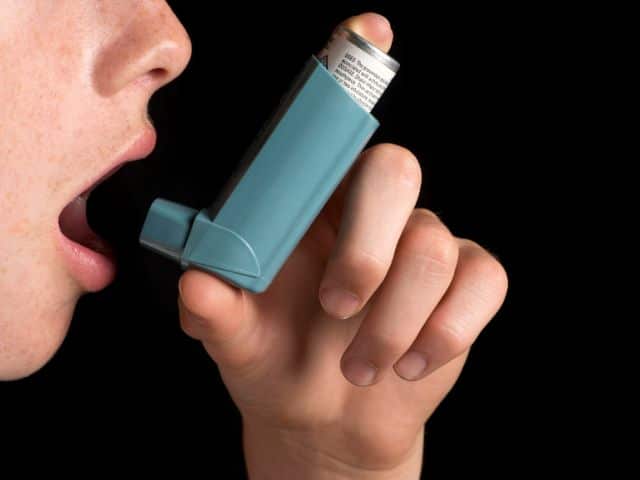
- Bronchodilators. Prescribed for bronchitis with an obstructive component, they help widen the airways, making breathing easier. They can be given through inhalers or nebulizers.
- Antibiotics. Reserved for cases of bacterial bronchitis, diagnosed through a sputum test. Inappropriate use of antibiotics can contribute to bacterial resistance.
- Corticosteroids. In cases of chronic bronchitis or severe flare-ups, corticosteroids may be prescribed to reduce inflammation of the airways.
- Mucolytics. Medications that make mucus thinner so that it can be coughed up more easily.
Complementary therapies
Complementary therapies for bronchitis are also possible. For example, respiratory physiotherapy, which consists of breathing techniques and postural drainage, can help clear mucus from the airways. Relying on natural remedies such as honey, ginger and propolis, which can soothe cough and sore throat. Or aerosol therapy. This is the inhalation of medications or saline solutions by aerosol, which can reach the airways directly, relieving symptoms. It is essential to see a doctor for an accurate diagnosis and a personalized treatment plan. Symptom monitoring and medical follow-up are essential to assess the effectiveness of the treatment and to make any necessary changes.
Preventing bronchitis
Preventing bronchitis during the winter months requires an integrated approach that involves several strategies, aimed at reducing exposure to pathogens and strengthening the body’s defenses. Let’s look at each of these strategies in more detail to maximize their effectiveness.
Hand hygiene
Frequent handwashing with soap and water for at least 20 seconds, or the use of alcohol-based hand sanitizer gels, is a fundamental measure for breaking the chain of transmission of viruses and bacteria. This seemingly simple practice significantly reduces the risk of catching respiratory infections, including bronchitis.
Avoiding contact with infected people
During flu peaks and other respiratory infections, it is essential to limit contact with people who show symptoms such as cough, cold or fever. Wearing masks, especially in closed and crowded places, provides an additional protective barrier, reducing the spread of infectious particles.
Flu and pneumococcal vaccination
The annual flu vaccination is recommended for everyone, in particular for people at risk of complications, such as older adults, young children and people with chronic diseases. The pneumococcal vaccine, on the other hand, protects against a common bacterium that can cause pneumonia and bronchitis.
Humid environment
Dry air, typical of heated indoor spaces in winter, irritates the airways and makes them more susceptible to infections. Using humidifiers, especially at night, keeps the air moist and helps thin the mucus, making it easier to cough up.
Avoiding cigarette smoke
Cigarette smoke, whether active or passive, is a powerful irritant for the airways, damaging the cilia that protect them from infections. Quitting smoking is one of the most effective measures for preventing bronchitis and improving respiratory health.
Strengthening the immune system
A strong immune system is able to fight infections effectively. By adopting preventive strategies, it is possible to significantly reduce the risk of getting bronchitis and to maintain respiratory health during the winter months.
There are several strategies for strengthening it:
- Balanced diet. A diet rich in fruit, vegetables, whole grains and lean protein provides the essential nutrients for the immune system.
- Regular exercise. Moderate physical activity improves blood circulation and immune function.
- Adequate sleep. Good-quality sleep, at least 7-8 hours a night, supports cell regeneration and the proper functioning of the immune system.
- Stress management. Chronic stress weakens the immune system. Relaxation techniques, such as meditation or yoga, can help manage it.
- Vitamin D supplementation. During the winter months, sun exposure is limited, reducing the production of vitamin D, which is essential for the immune system. In some cases, supplementation may be useful.