Nomophobia: phone addiction
Nomophobia is essentially phone addiction. It is a psychological condition that causes fear or anxiety.
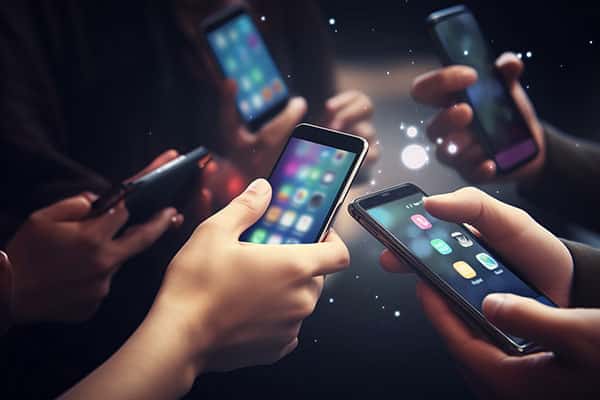
Nomophobia is essentially phone addiction. It is a psychological condition characterized by intense fear or anxiety about being separated from, or not having access to, your mobile phone. Not only that: it can also involve other digital technologies, such as TV, computers or tablets.
Symptoms of nomophobia
There are several common symptoms of nomophobia. They include anxiety, irritability, restlessness, panic, phone dependence and difficulty concentrating. They also lead to excessive checking of one’s device and excessive use of the mobile phone. In short, the attention of people with nomophobia is entirely focused on the phone, and they struggle to settle into other situations. Personal relationships suffer too, because of the anxiety that comes from needing to check the phone constantly, even for no reason.
Symptoms shared with social media addiction
Nomophobia and social media addiction share some symptoms. This is because most people who use social media do so on mobile, that is, from their own smartphone.
Common symptoms of social media addiction
- Spending a lot of time on social media. Time taken away from other important activities.
- Feeling anxious or irritable. Anxiety or nervousness shown when you cannot access social media.
- Difficulty controlling social media use. Some people try hard to cut back on social media but, despite their efforts, cannot, even though they understand that they are going beyond a normal amount of time.
- Neglecting personal or professional commitments. People with social media addiction ignore and avoid real-life commitments because of compulsive use of social media.
- Emotional dependence on “likes”. Comments or shares on social media make them feel validated by society.
The impact on real life
Nomophobia has a considerable impact on a person’s daily life and overall well-being. If the fear of being without your phone interferes with relationships, work, study or other important activities, it may be helpful to seek help. Finding yourself out on the street without a phone, or even with a dead battery, can trigger worrying states of anxiety.
Therapies for nomophobia
You can turn to a psychologist, a psychotherapist or a mental health professional who specializes in disorders related to technology addiction to receive support and therapy. The therapies commonly used to treat nomophobia include cognitive behavioral therapy (CBT), stress management education, gradual exposure therapy and group therapy. It is also important to adopt self-management strategies, such as setting time limits for social media use, creating alternative activities and engaging in offline activities that promote well-being.
The origins of nomophobia
The term “nomophobia” is a combination of two words: “nomo”, which comes from ancient Greek and means “law” or “norm”, and “phobia”, which means “irrational fear”. Nomophobia was first coined in 2008 by a survey conducted in the United Kingdom, which found people’s anxiety and fear of being left without their mobile phone. The term has been used to describe anxiety about, and dependence on, mobile devices, in particular mobile phones. Nomophobia reflects the growing role that technology and mobile devices have taken on in our daily lives, creating a dependence and an associated anxiety about their absence or the inability to use them. The key is to turn to medical specialists or to facilities able to address the problem and support the patient on a path to recovery.