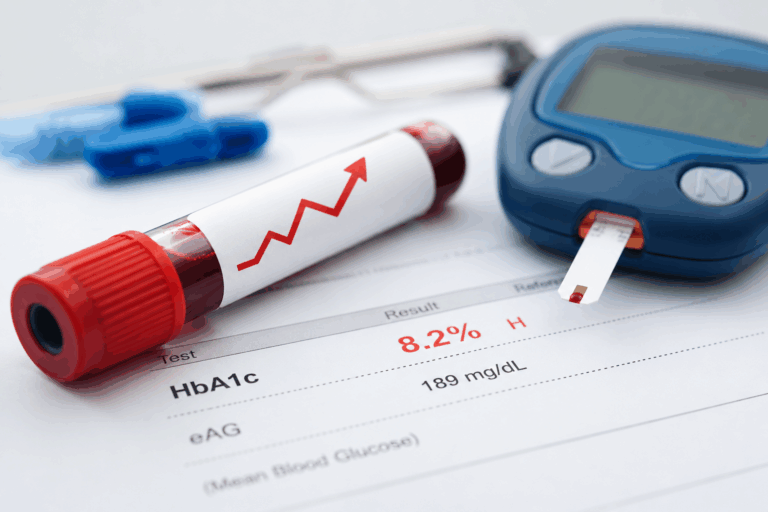
Preventing chronic kidney disease: the 5 tests to have
Preventing chronic kidney disease: the 5 blood and urine tests to have after age 40 for health and well-being
Published April 8, 2026·7 min read
Preventing chronic kidney disease: the 5 blood and urine tests to have after age 40. There is a stage of life when the body keeps working in an apparently silent way, but starts to need more attention. After forty, many physiological processes slowly change pace. This is not a sign of disease, but a natural evolution of the body that makes prevention more important than ever.
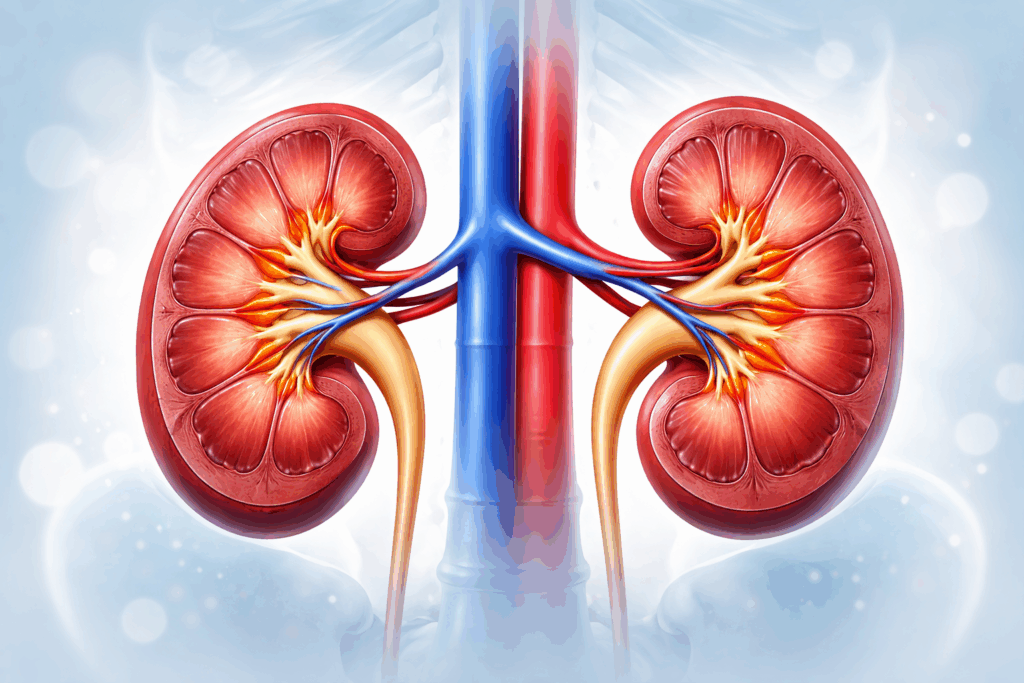
Among the organs that work without giving obvious signals are the kidneys. They filter the blood, regulate fluid balance, remove waste and take part in controlling blood pressure. When they begin to lose function, they often do so without clear symptoms. This is exactly why chronic kidney disease is described as a “silent” condition.
Knowing and monitoring a few key tests makes it possible to catch any changes early and to step in while it is still possible to maintain a good quality of life.
Chronic kidney disease: a progressive and often invisible condition
What is meant by chronic kidney disease
Chronic kidney disease is a condition marked by a progressive and persistent reduction in kidney function. This means the kidneys can no longer filter the blood properly and maintain the body’s internal balance.
A condition is called chronic when this change lasts for at least three months. In modern clinical practice, the diagnosis is not based on a single value, but on an evaluation over time that takes several parameters into account.
Why early diagnosis matters
In the early stages, chronic kidney disease does not cause obvious symptoms. The body slowly adapts to the reduction in kidney function, and this can delay diagnosis.
Identifying a change early means being able to act on modifiable factors such as blood pressure, blood sugar, diet and lifestyle. This approach makes it possible to slow the progression of the disease and prevent complications.
After 40: what really changes and how to prevent chronic kidney disease
Age as a risk factor
As we age, kidney function physiologically tends to decline. This does not necessarily mean developing a disease, but it does indicate greater vulnerability.
From age 40 onward, it is more common to see:
- a slight decline in filtering capacity
- greater sensitivity to metabolic imbalances
- an increase in the prevalence of hypertension and diabetes
These factors, if present, can speed up kidney damage.
The role of active prevention
Modern medicine has shifted its focus from treatment to prevention. It is not just a matter of stepping in when a symptom appears, but of monitoring key parameters to anticipate possible problems.
Blood and urine tests are simple but extremely effective tools for assessing the health of the kidneys.
The 5 essential tests for kidney health
Creatinine: the first indicator of kidney function
Creatinine is a waste product made by the muscles and filtered by the kidneys. When the kidneys are working properly, it is eliminated in the urine.
A rise in blood creatinine can indicate a reduced filtering capacity. However, the value must always be interpreted in the context of the patient’s overall condition.
eGFR: the estimate of kidney filtration
The eGFR, or estimated glomerular filtration rate, is one of the most important indicators in assessing kidney function.
This parameter is calculated from creatinine, taking into account age and individual characteristics. It makes it possible to classify kidney function into different stages and to monitor how it changes over time.
Blood urea nitrogen (BUN): protein metabolism
Blood urea nitrogen (BUN), also called azotemia, measures the amount of urea in the blood, a substance that comes from the metabolism of proteins.
High values can indicate a reduced ability of the kidneys to remove waste, but they can also be influenced by other factors such as diet or hydration.
Urinalysis: a window on kidney function that helps prevent chronic kidney disease
Urinalysis is a simple but very informative tool. It can detect changes that may point to early kidney damage.
Among the parameters most often looked at:
- presence of protein
- presence of blood
- changes in pH
These findings, even when minimal, can be important signals.
Microalbuminuria: the early signal not to be underestimated
Microalbuminuria means the presence of small amounts of albumin in the urine. It is one of the first signs of kidney damage, especially in patients with diabetes or hypertension.
Detecting this parameter makes it possible to act promptly, often before more obvious changes appear.
How to interpret the tests as a whole
The value of monitoring over time
A single test can give an indication, but it is the trend over time that really shows the state of health.
Contemporary medicine uses a dynamic approach, observing how parameters evolve and combining multiple pieces of information.
The doctor’s role in reading the data
Tests should not be interpreted in isolation. The doctor evaluates the results by considering medical history, lifestyle and the presence of any risk factors.
This approach helps avoid misinterpretation and build a personalized treatment path.
Risk factors to know about
Hypertension and diabetes
The two main causes of chronic kidney disease are high blood pressure and diabetes. Both conditions can damage the small blood vessels of the kidneys.
Keeping these factors under control is one of the most effective tools for prevention.
Lifestyle and daily habits
An unbalanced diet, a sedentary lifestyle and excessive salt intake can have a negative effect on kidney health.
Small daily changes can have a significant impact in the long run.
Medications and nephrotoxic substances
Some medications, if used for a long time or without medical supervision, can damage the kidneys. It is important always to use treatments under supervision.
Preventing chronic kidney disease as a conscious path
Prevention is not a one-time intervention, but an ongoing path. It means knowing your own body, monitoring your parameters and adopting behaviors that support well-being.
In recent years, there has been greater attention to kidney health, thanks also to the spread of screening programs and easier access to testing.
FAQ
After 40, are regular kidney check-ups necessary?
Yes, especially in the presence of risk factors such as hypertension or diabetes. Periodic check-ups make it possible to detect any changes early.
Does a high creatinine always mean a kidney problem?
Not always. The value must be interpreted in the overall context and can be influenced by several factors.
Is a urinalysis really useful?
Yes, it is one of the simplest and most effective tools for detecting early signs of kidney damage.
Can chronic kidney disease be prevented?
In many cases it is possible to slow or avoid its progression by acting on risk factors.
When should you see a specialist?
When tests show persistent changes or in the presence of conditions such as diabetes and hypertension.
Blood and urine tests should become a habit
The health of the kidneys is closely tied to the overall balance of the body. It is not only about avoiding a disease, but about maintaining a good quality of life over time.
Preventing chronic kidney disease with blood and urine tests is a simple, accessible and valuable tool. Making them part of your routine check-ups, especially after 40, is a concrete step toward conscious prevention.
Modern medicine encourages us not to wait for symptoms, but to build an ongoing relationship with our own health. On this path, knowledge becomes the first tool of care.