High glycated hemoglobin (HbA1c): when to worry
High glycated hemoglobin: what it is, normal values, what it means and when to worry. It is one of the most important signs.
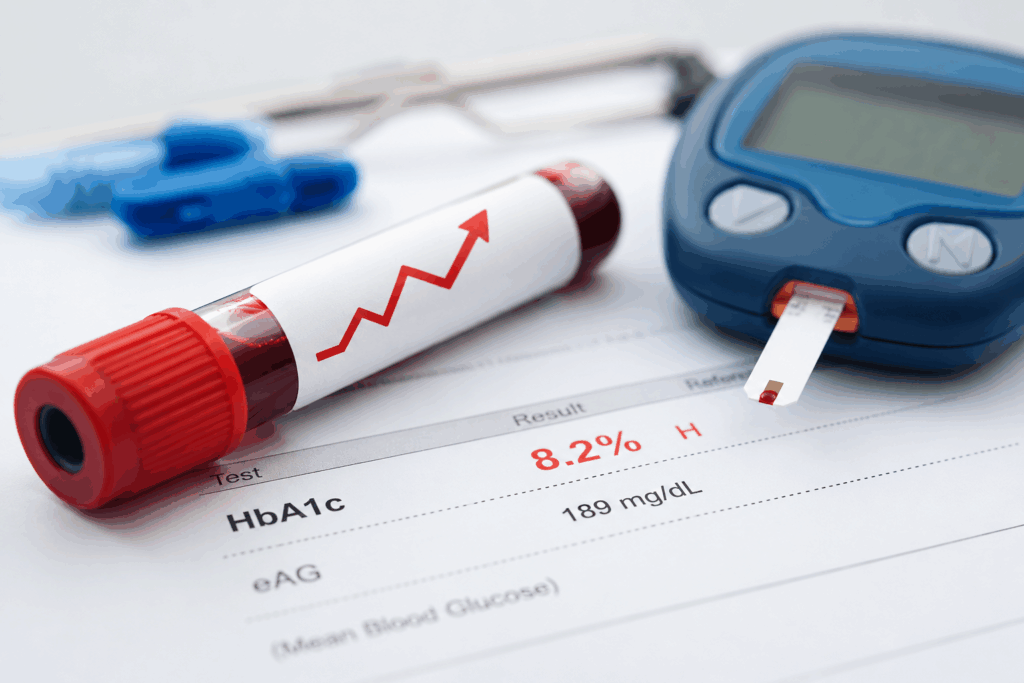
High glycated hemoglobin: what it is, normal values, what it means and when to worry. High glycated hemoglobin is one of the most important signs that modern medicine uses to assess blood glucose control over time. It is not simply a number on a blood test: it is a measure that tells how the body has handled sugar over the previous weeks.
In recent years, attention to glucose metabolism has grown enormously. Diabetes, prediabetes, metabolic syndrome and insulin resistance are increasingly common conditions, and they often begin silently, with no obvious symptoms. For this reason, glycated hemoglobin has become one of the most widely used tools in the prevention and monitoring of metabolic diseases.
Understanding what it means to have high glycated hemoglobin is not only relevant for people who already have a diagnosis of diabetes. This test is increasingly requested during routine checkups, cardiovascular prevention programs or kidney evaluations, because it makes it possible to observe the average trend of blood glucose over time and to detect any metabolic changes early.
The NefroCenter Group specializes in the research and treatment of diabetes, metabolic diseases and kidney health, with an integrated approach to prevention and with programs dedicated to the early diagnosis of metabolic conditions and their complications.
What glycated hemoglobin is
Glycated hemoglobin, also called HbA1c, is a form of hemoglobin bound to the glucose in the blood.
Hemoglobin is the protein in red blood cells that carries oxygen to the tissues. When glucose circulates in the blood, part of it naturally binds to hemoglobin through a process called glycation.
The more sugar there is in the blood, the higher the share of glycated hemoglobin.
This makes HbA1c an extremely useful indicator of the average blood glucose level over the past two or three months, which is the average lifespan of red blood cells.
Why glycated hemoglobin matters
Unlike a standard blood glucose test, which takes a snapshot of the blood sugar level at a single moment, glycated hemoglobin gives a broader and more stable picture of glucose metabolism.
For this reason, it is considered one of the most reliable tools for:
- diagnosing diabetes
- monitoring treatment
- assessing the risk of complications
- identifying prediabetes
The test can show whether blood glucose has stayed high over time, even when occasional values appear to be normal.
High glycated hemoglobin: what it means
Having high glycated hemoglobin means that blood glucose has remained, on average, elevated for several weeks or months.
This condition may be linked to:
- diabetes mellitus
- prediabetes
- insulin resistance
- poor glycemic control
- treatments that are not effective enough
- an unbalanced diet
- a sedentary lifestyle
In some cases, a rise in HbA1c is the first sign of a metabolic alteration that has not yet been diagnosed.
Normal values and reference ranges
Glycated hemoglobin values are expressed as a percentage.
In general:
- below 5.7% → normal values
- between 5.7% and 6.4% → prediabetes
- 6.5% or higher → possible diabetes
These values must always be interpreted by a doctor in the context of the person’s overall clinical picture.
In patients who already have diabetes, treatment goals may vary depending on:
- age
- general health
- presence of complications
- cardiovascular risk
- kidney function
When to worry about high glycated hemoglobin
A high HbA1c value should not cause immediate alarm, but it always deserves attention and further investigation.
A persistent rise in glycated hemoglobin can in fact indicate chronic exposure of the body to high glucose levels, a condition that over time can damage:
- blood vessels
- heart
- kidneys
- retina
- peripheral nerves
Modern medicine now considers it essential to intervene early, even in the initial stages of prediabetes, to reduce the risk of future complications.
Symptoms associated with high blood glucose
One of the most insidious aspects of blood glucose alterations is that they often develop slowly and without obvious symptoms.
When present, the most common signs may include:
- intense thirst
- increased urination
- persistent fatigue
- frequent hunger
- unintentional weight loss
- blurred vision
- recurrent infections
Many people discover that they have high glycated hemoglobin during simple routine checkups.
Prediabetes and glycated hemoglobin
Prediabetes is an intermediate condition between normal and overt diabetes.
At this stage:
- blood glucose is altered
- the body begins to handle sugar less effectively
- cardiovascular risk increases
The good news is that prediabetes can often be reversed through:
- a balanced diet
- weight loss
- regular physical activity
- control of risk factors
Detecting a raised glycated hemoglobin early therefore makes it possible to intervene before the metabolic damage becomes more serious.
Glycated hemoglobin and type 2 diabetes: the connection
Type 2 diabetes is today one of the leading causes of chronic disease in the Western world.
It develops gradually through:
- insulin resistance
- metabolic alterations
- overweight
- genetic predisposition
- a sedentary lifestyle
Glycated hemoglobin is one of the main tools for:
- diagnosing the disease
- monitoring its course
- assessing how well treatment is working
Proper control of HbA1c is essential to reduce the risk of cardiovascular, neurological and kidney complications.
To learn more about diabetes, you can also read the following on our website: Type 2 diabetes: early symptoms, causes and treatment
The relationship between diabetes and kidney failure
Diabetes is one of the leading causes of chronic kidney disease.
When blood glucose stays high for years, the small blood vessels of the kidneys can gradually become damaged, reducing the kidneys’ filtering capacity.
For this reason:
- nephrology and diabetology often work in close collaboration
- monitoring glycated hemoglobin is central to preventing kidney damage
- metabolic control reduces the risk of chronic kidney failure
On this topic you can also read: High blood pressure and the kidneys: how hypertension leads to chronic kidney failure
Glycated hemoglobin and cardiovascular risk
Chronic blood glucose alterations increase the risk of:
- heart attack
- stroke
- atherosclerosis
- heart failure
Today, medicine considers diabetes a true cardiovascular disease.
Even moderately elevated HbA1c values can be associated with an increased vascular risk, especially when combined with:
- hypertension
- high cholesterol
- obesity
- smoking
- a sedentary lifestyle
How the glycated hemoglobin test is performed
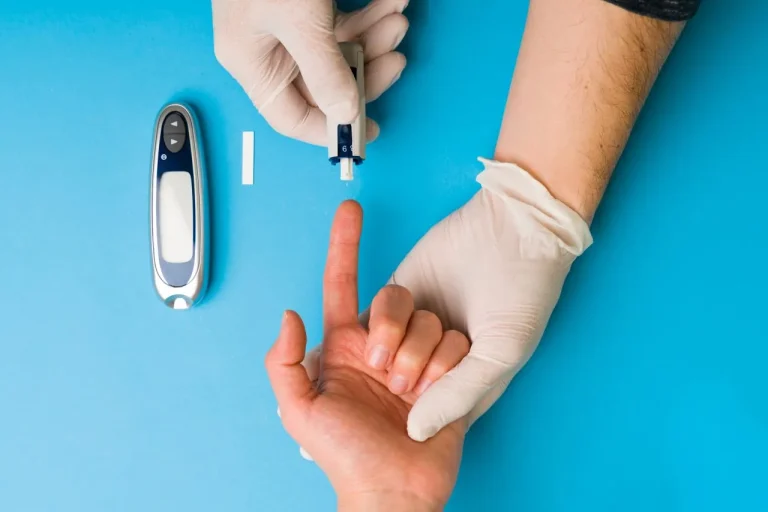
The test is done with a standard blood draw.
Fasting is not always necessary, although the doctor may give specific instructions depending on the other tests requested.
HbA1c is often included in:
- metabolic checkups
- diabetes checkups
- cardiovascular prevention programs
- kidney evaluations
What can alter the value
Although HbA1c is a very reliable measure, there are conditions that can change its value:
- anemia
- blood diseases
- blood transfusions
- advanced kidney failure
- pregnancy
- certain hemoglobinopathies
For this reason, the result must always be interpreted by a doctor.
How to lower high glycated hemoglobin
In the early stages, improving lifestyle can significantly reduce HbA1c values.
The most important measures are:
- a balanced diet
- reducing simple sugars
- weight control
- regular physical activity
- reducing sedentary time
Even moderate weight loss can have important effects on glucose metabolism.
Treatments for blood glucose control: increasingly personalized medications
When necessary, the doctor may prescribe specific drug therapies.
In recent years, diabetology has seen important therapeutic innovations, with medications that act not only on blood glucose but also on protection of the:
- cardiovascular system
- kidneys
- metabolism
The goal is not only to lower blood glucose, but to reduce the overall risk of complications.
The role of prevention
One of the most important aspects of glycated hemoglobin is its preventive value.
Many people discover metabolic alterations at a stage that is still early, when it is possible to intervene effectively.
Today, prevention relies on:
- regular checkups
- early diagnosis
- attention to risk factors
- nutrition education
- regular clinical monitoring
High glycated hemoglobin: when to see the specialists of the NefroCenter Group
It is advisable to see a specialist when:
- values are altered
- there is a family history of diabetes
- overweight or obesity is present
- you have hypertension
- there are symptoms consistent with blood glucose alterations
- a diagnosis of diabetes has already been made
A multidisciplinary approach now makes it possible to address metabolic alterations early and to reduce the risk of complications over time.
Metabolic control
In recent years, the management of diabetes and blood glucose alterations has changed profoundly.
Modern medicine no longer limits itself to treating the blood glucose value, but builds integrated care pathways that take into account:
- cardiovascular health
- kidney function
- body weight
- nutrition
- lifestyle
- the patient’s quality of life
Glycated hemoglobin is one of the most important tools of this new vision of metabolic prevention.
FAQ – Frequently asked questions about high glycated hemoglobin
Does high glycated hemoglobin always mean diabetes?
Not always. Moderately raised values may indicate a stage of prediabetes or early metabolic alterations.
What should a normal glycated hemoglobin level be?
Generally below 5.7%, but the value must be interpreted by a doctor.
Is it possible to lower glycated hemoglobin without medication?
In many cases, yes, especially in the early stages, through a proper diet, physical activity and weight loss.
Is glycated hemoglobin measured while fasting?
Fasting is not always necessary, unless your doctor says otherwise.
How often should it be checked?
It depends on the clinical picture. In patients with diabetes, it is often checked every 3 to 6 months.
Are high glycated hemoglobin and the kidneys connected?
Yes. Diabetes is one of the leading causes of chronic kidney failure.
Does a high value cause symptoms?
Not necessarily. Many people do not notice any symptoms in the early stages.
Can diabetes be prevented by intervening early?
In many cases, yes. Early diagnosis of prediabetes often makes it possible to slow down or avoid progression to overt diabetes.
Follow all our diabetes prevention initiatives on our social media channels