Pasta is good for you: all the benefits
Pasta is good for you. Nutritionists say so, and its value is recognized worldwide. That is why World Pasta Day is celebrated.
Pasta is good for you. Nutritionists say so, and its value is recognized all over the world. That is why World Pasta Day is celebrated every year on October 25. The day was first celebrated in Napoli in 1998, a symbolic capital of this food loved around the world.
Pasta is good for you: here are all the benefits
Pasta is a food loved all over the world, often overwhelmed by false myths that create doubts about its benefits. Here is why pasta is a nutritious food and why some of the common myths should be debunked. The problem is not the pasta itself, but the way it is eaten. Excessive portions can contribute to weight gain. However, serving the right amounts is the key to healthy consumption.
- It provides sustained energy. Pasta is a source of complex carbohydrates. It provides steady, long-lasting energy to the body. Carbohydrates, therefore, should not be avoided, but rather chosen carefully to maintain a balanced diet.
- It contains beneficial fiber. Whole wheat pasta, for example, is rich in fiber, which supports digestion, helps control weight, and contributes to heart health. It is therefore absolutely false to say that it is low in nutrients.
- A vehicle for nutritious foods. It is often served with sauces made from tomato, vegetables, legumes, and lean protein. These additions make dishes rich in vitamins, minerals, and antioxidants. It can be enriched with anything you like, because it does not change the flavor of foods, if anything it enhances it.
- Suitable for a great many diets. It can be incorporated into various eating patterns, such as the Mediterranean, vegan, and vegetarian diets.
- It does not automatically cause weight gain. The myth that eating it automatically leads to weight gain is unfounded. Total calories and energy balance affect body weight, and there is no need to avoid eating it. For this reason nutritionists say that pasta is good for you.
The other beneficial effects
Pasta is good for you because it is a perfect ally for anyone looking for endurance and vitality. It contains healthy fiber that supports digestion and contributes to healthy weight regulation. Moreover, fiber is also linked to better heart health. It provides vitamins and minerals because it is a perfect vehicle for adding them. In addition, it gives lasting satisfaction because it is filling and reduces the feeling of hunger between meals, helping to control calorie intake. And finally, how could we not point out its culinary versatility, which allows endless combinations of recipes depending on taste and diet.
Who should avoid eating it
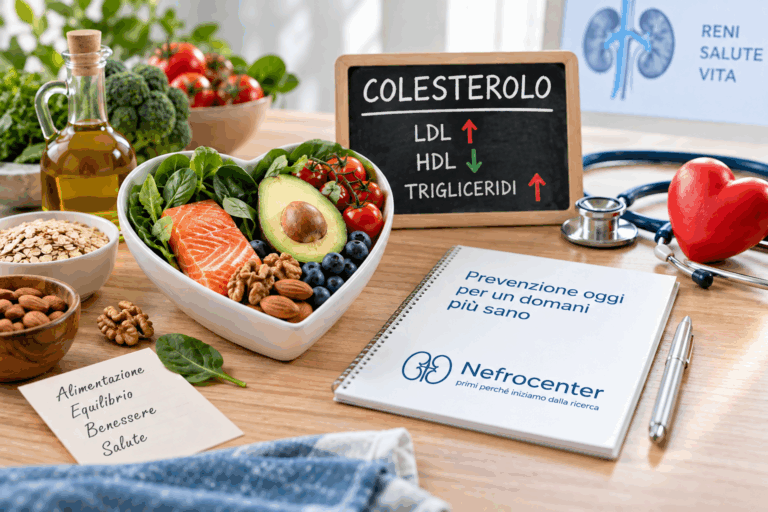
It goes without saying that pasta is good for you, but even though it is a loved and nutritious food, there are some health conditions or physical states in which it is advisable to avoid eating it. These are cases of gluten intolerance, such as people with celiac disease or gluten sensitivity. People with high blood sugar should also eat pasta in moderation and choose whole wheat varieties over refined ones, since they have a lower impact on blood sugar. More health tips can be found in the news section of the NefroCenter Group and of the Rome American Hospital.
The fascinating history of pasta
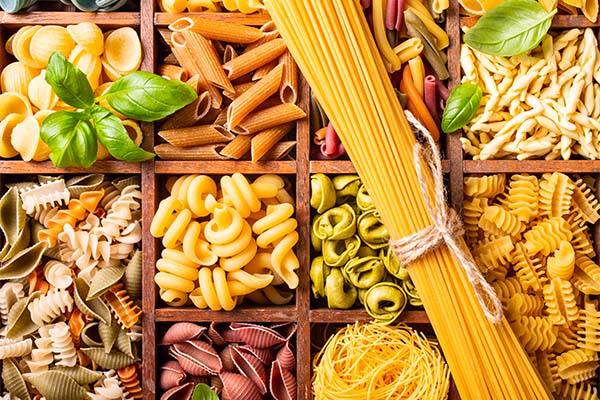
The history of pasta is fascinating and has its roots in ancient cultures. Indeed, pasta has a long history that goes back to several ancient civilizations. The first references to something similar to this food are found in China about 4,000 years ago. Pasta spread to the Middle East, where it became a widely eaten food, especially in Persia (present-day Iran), and reached Europe, in particular Italy, during the period of the barbarian invasions. In fact, the Lombards, a Germanic people, were among the first to eat pasta in Italy. Italy is generally considered the homeland of pasta. Each region has developed its own specialties, and among the most famous are spaghetti, tagliatelle, lasagna, ravioli, and tortellini. During the Renaissance, Italy helped spread it across Europe.