High blood sugar: the 10 signs your body gives
Blood sugar is the amount of glucose in the blood. The 10 signs the body sends when glucose levels are high.
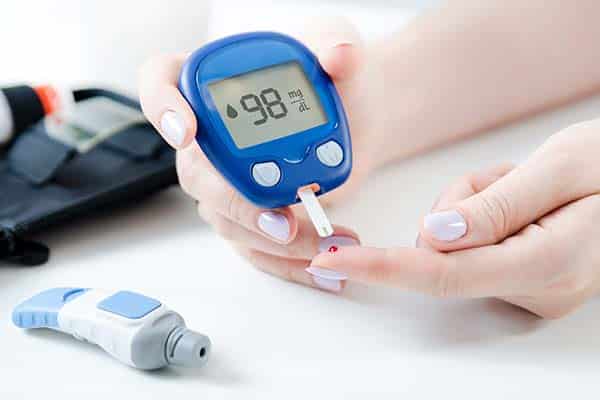
Blood sugar (glycemia) is the amount of glucose in the blood. Glucose is a monosaccharide, that is, a simple sugar (which is why it is called blood sugar), and it is measured in mg/dL (milligrams per deciliter). High blood sugar levels can lead to significant conditions in the human body, sometimes with serious consequences. The best known of these is diabetes. Even people who are not diabetic or prediabetic can show symptoms that cause a number of problems. Checking blood sugar levels regularly, even for people with no health conditions, is an important form of prevention. Blood tests or a blood sugar measurement make it possible to find out the level of glucose in the blood in real time.
Blood sugar levels
In industrialized countries, keeping blood sugar levels stable is something of a pipe dream for health authorities. Nutrition education, which is also taught in schools, shows how important it is to follow appropriate diets to avoid glucose spikes. Sugar is, in fact, the main source of energy for cells, and the hormone insulin is what allows glucose to enter the cells. When levels rise because of a large meal or because of stress, glucose moves from the blood into the cells and is used as energy.
On the other hand, when cells lose their sensitivity to insulin, developing resistance when there is too much sugar to absorb, a barrier forms. The body does not let glucose into the cells and turns it into fat. This can lead to fatty liver, diabetes or visceral fat. One of the worst consequences is also the production of cytokines, which create systemic inflammation that affects the whole body.
Normal blood sugar values: when they are within the normal range
Blood sugar indicates the amount of glucose in the blood and is one of the most important parameters for assessing metabolism and the risk of diabetes.
Blood sugar values can vary during the day, depending on meals and lifestyle, but there are precise reference ranges that make it possible to understand when levels are normal and when further investigation is needed.
Blood sugar values chart (fasting and after meals)
| Situation | Blood sugar values (mg/dL) | Meaning |
|---|---|---|
| Hypoglycemia | < 70 | Values too low |
| Normal (fasting) | 70 – 99 | Optimal values |
| Prediabetes | 100 – 125 | Change to be monitored |
| Diabetes | ≥ 126 | To be confirmed with further tests |
| After meals (2 hours) | < 140 | Normal |
| After meals (2 hours) | 140 – 199 | Impaired tolerance |
| After meals (2 hours) | ≥ 200 | Possible diabetes |
In general, in healthy people, fasting blood sugar stays between 70 and 99 mg/dL, while after meals it should not exceed 140 mg/dL
How to interpret blood sugar values
It is important to know that a single value outside the range is not enough to make a diagnosis.
Doctors always evaluate:
- multiple measurements over time
- any symptoms
- other tests (such as glycated hemoglobin)
Values between 100 and 125 mg/dL when fasting indicate a condition of prediabetes, that is, an intermediate stage that requires attention and prevention
When to worry about blood sugar
It is advisable to see a doctor when:
- fasting blood sugar is above 100 mg/dL
- values stay high over time
- symptoms such as intense thirst, fatigue or frequent urination appear
Values equal to or above 126 mg/dL when fasting, if confirmed, indicate diabetes
Why it is important to know the normal values
Monitoring blood sugar makes it possible to:
- prevent diabetes
- detect early changes
- protect the kidneys, heart and metabolism
Early diagnosis allows timely action through diet, lifestyle and, if necessary, treatment.
The 10 signs of high blood sugar
- Excess fat around the intestines. Excess visceral fat is the number one characteristic that raises the risk of cardiovascular problems, cancer and degenerative diseases.
- Bleeding gums, periodontitis and problems with excess mucus and colds. Precisely because glucose feeds bacteria and external pathogens, excess mucus and constant infections develop. A poor diet affects the health of the mouth and upper airways.
- Muscle pain. Frequent muscle pain is one of the most common signs. Muscle cells need energy that is not delivered from the blood, and a person may suffer from a lack of strength linked to muscle problems. The nerves can also suffer; in fact, neuropathy is one of the main problems for people with diabetes. Excess glucose leads to inflammation of the nerves.
- Skin problems. The skin is a kind of map of the gut. What we eat affects our skin, which is the first to suffer from a deficiency or a hormonal imbalance. When the blood sugar balance is also lost, the response can be the appearance of dandruff, redness, itching or cracked heels. High blood sugar, in fact, also leads to rapid aging of the skin.
- Excessive development of infections. This can involve children too. Bacteria, viruses and parasites feed on sugar and grow in an environment rich in it. This leads to recurring skin problems (see point 4), or even cases of candida that can recur as often as every month in chronic and more severe cases.
- Constant hunger. It is the biggest problem for people who want to lose weight. High blood sugar levels force a person to eat continuously. Glucose stays in the blood and is partly expelled, so the body keeps asking for more. Sugar is then turned into fat, settling in the belly and the viscera, without ever building muscle mass.
- Digestive difficulties. A bloated abdomen and belly, trouble digesting and gas in the abdomen are symptoms of a high blood sugar level. Food has a direct impact on the gut flora, which communicates directly with the brain. A proper diet requires fiber, fruit and vegetables, which affect mood and energy. With an excess of simple sugars there is also a risk of depression, as well as the use of poor-quality energy, a bloated belly and excess intestinal gas.
- Difficulty concentrating. High glucose levels release insulin, which inhibits hormones such as serotonin and dopamine. A large meal triggers drowsiness, and a big lunch should be avoided by people who work. In fact, the body is busy getting rid of the excess sugar and switches off the ability to focus on other things. In short, never schedule a meeting after lunch; it would also be wise to avoid long trips for anyone who has to drive.
- Constant thirst. The body has to expel glucose and does so by urinating constantly. Thirst is also constant, to avoid dehydration. Drinking plenty of water helps to eliminate sugars. Sugary and alcoholic drinks, on the contrary, are devastating.
- Need to urinate frequently. Glucose has to be eliminated, otherwise it becomes harmful to the body. So the kidneys work exceptionally hard and become overloaded. For this reason, inflammation and infections of the urinary tract are frequent. If diabetes is present, the urine itself is sweet. In antiquity, slaves tasting urine showed whether or not diabetes was present, based on its sweet taste. In more recent medicine, doctors then checked whether insects came to drink the urine.
What to do
To eliminate excess glucose in the body, there are several rules to follow. The foundation is a proper diet, preferably with the guidance of a nutritionist. When someone does intermittent fasting, one of the current trends, glucose levels drop during the hours when no food is eaten, but the glucose must not then be taken back in excess at meals. It is also important to increase the amount of fiber in the diet with fruit, vegetables, whole grains and legumes.
One piece of advice is not to peel potatoes and apples, which are rich in antioxidants. As for physical activity, high-intensity exercises help a great deal, especially with weights. There are no risks, and they suit all ages, even with small weights. There are also easy exercises that make cells more sensitive to glucose, and for this reason it is essential to rely on a personal trainer.
Read also: High glucose: how to recognize it and what to do · High blood sugar: NefroCenter’s advice on diet and remedies