Insect bites: when to see a dermatologist
Summer, days outdoors, at the beach and with friends, but with one risk: insect bites, which can spoil good times and sometimes the whole vacation
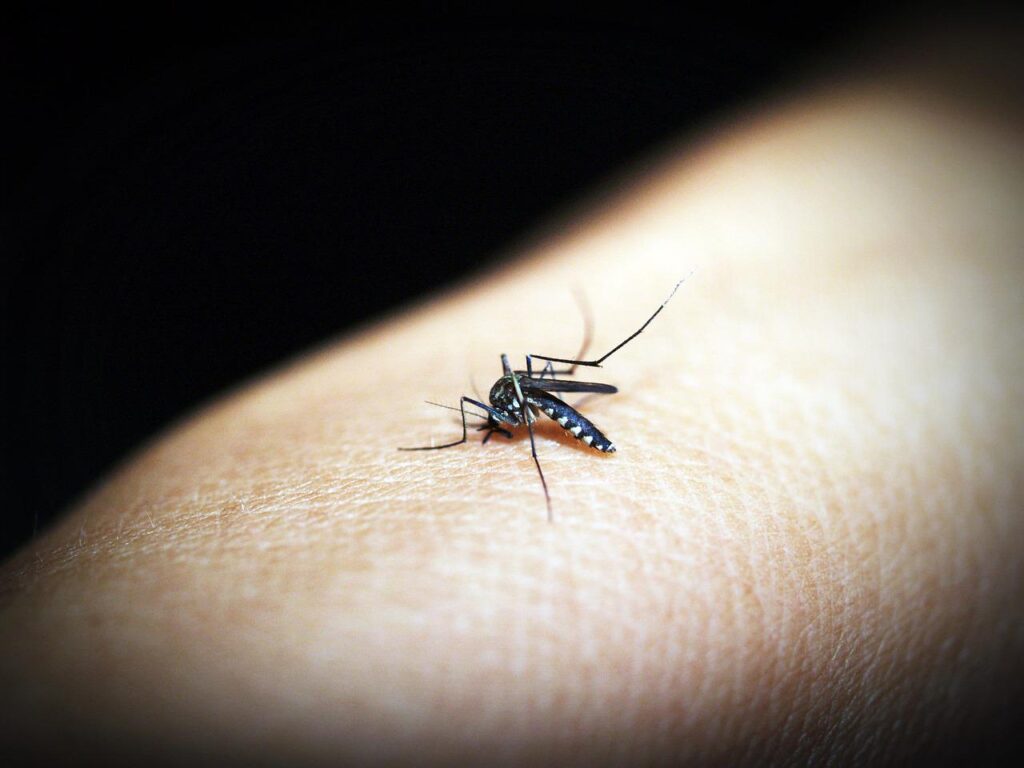
Summer, days outdoors, at the beach and in good company, but with one risk: insect bites and stings, which can spoil the good times and in some cases the whole vacation. The most dangerous aspect of insect bites is the allergic reactions they can trigger, or infections. The latter arise from scratching the area or from bacteria or viruses passed on by the insect through the bite, so it is advisable not to give in to the strong itch you feel.
People also see a dermatologist to understand, based on the itching, what kind of animal bit the patient. For this, you can book a dermatology check-up at the Io Salute center in Castellammare di Stabia, part of the Nefrocenter group.
In fact, people who see a doctor after an insect bite cannot always say exactly which animal bit them. In this case the type of itching tells the specialist a great deal, as does the redness.
The dermatologist, in this case, may also decide to look further by requesting additional tests. The patient may be given lab tests to find out the type of infection, or allergy tests, so that a similar problem can be dealt with properly in the future.
Mosquito bites are the most bothersome and can cause allergic reactions or infections. In the worst cases, however, the West Nile virus is spreading in Italy. It is transmitted not only by mosquitoes but also by wild birds, and it takes its name from the area of Uganda from which it spread.
It causes fever and is transmitted through insect bites and not through contact between infected people. West Nile is dangerous also because its symptoms have an incubation period of 2 to 14 days and it can infect other mammals too, such as pets.
80% of people have no symptoms. 20%, according to statistics from the Istituto Superiore di Sanità, have fever, headache, nausea, vomiting, swollen lymph nodes and skin reactions.
In children it can show up as red eyes, headache and muscle aches. The most serious symptoms affect 1 in 150 infected people: high fever, severe headaches, muscle weakness, disorientation, tremors, vision problems, numbness, convulsions, up to paralysis and coma. In one case in 1,000, fatal encephalitis can also occur. Diagnosis is mainly made through laboratory tests (ELISA or immunofluorescence) carried out on serum.