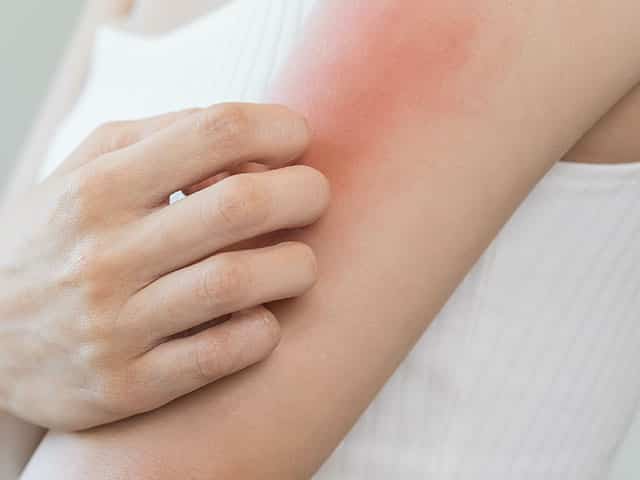
An insect bite causing problems? The first thing to do is not to panic and to identify the symptoms correctly. Only then can you act in the right direction. Summer, as we know, is one of the times of year when the chance of being bitten by an insect is high.
The common insect bite
According to statistics, the most common insect bites come from mosquitoes, wasps, bees, ants and fleas. The first symptoms that may appear on the body show some differences.
- Pain or a burning sensation at the bite site.
- Intense itching.
- Redness and swelling in the affected area.
- Possible formation of a small bump or pustule.
The first thing to do
When an insect bite is not a cause for concern, it is advisable to take steps that can relieve the symptoms. First, use water and mild soap to gently clean the affected area. This is a very important step because it helps prevent infection. Apply a cold compress or an ice pack to the area, always wrapped in a cloth. This is advisable to avoid direct contact with the skin. Not scratching is essential. After consulting your doctor or pharmacist, you can also apply creams or lotions containing cortisone or antihistamines to reduce itching and swelling. Nefrocenter advises against using medications without the advice of a professional.
The more serious cases
If the itching is particularly intense or there is an allergic reaction, an over-the-counter antihistamine may reduce the symptoms. If the symptoms get worse or there is a severe allergic reaction, such as difficulty breathing, swelling of the face or a widespread skin rash, see a doctor immediately.
Insect bites: the mosquito
Mosquitoes bite to feed on blood. In most mosquito species, it is the females that have mouthparts suited to biting. The males feed on sugary substances found in flowers and plants. The body’s reaction to the substances in mosquito saliva causes itching, swelling and irritation at the bite site. Mosquitoes are attracted by several factors, including body odors, the carbon dioxide exhaled by the host and body heat. Some studies suggest that mosquitoes may prefer certain blood groups over others. Mosquitoes are also vectors of diseases dangerous to humans, such as malaria, dengue, West Nile virus and yellow fever. Therefore, besides the annoyance of the bites, it is essential to take precautions to avoid mosquitoes and to protect yourself from the diseases they can transmit.
Bee or wasp sting
Bees and wasps sting as a defense mechanism. The worker bee has a stinger that can lodge in the skin of the potential aggressor. Once the bee has stung, the stinger detaches from its body, together with part of its abdomen, causing the bee’s death. Wasps, on the other hand, are solitary or social insects that live in small nests. Wasps also sting mainly in self-defense or to defend their nest. Unlike bees, wasps can sting several times without losing their stinger, so they can pose a more persistent threat. When a person is stung by a bee or a wasp, the stinger penetrates the skin and can inject venom. The venom contains irritating chemicals and can cause an allergic or inflammatory reaction in the person who has been stung.
Tick bites
Ticks are small parasites that feed on the blood of animals and humans. The bite occurs when the tick attaches to the skin to feed on the host’s blood. Its attack is divided into three parts: attachment, penetration and feeding. During this last phase, the tick begins to feed on the host’s blood through the skin. The parasite can grow in size as it fills with blood. Ticks can transmit diseases through their bite, including Lyme disease, tick-borne encephalitis, babesiosis, ehrlichiosis and others. If it carries a pathogen, it can transmit it to the host while feeding. It is important to remove ticks as soon as possible to reduce the risk of infection. Use tweezers and gently pull the tick upward without twisting or jerking. Finally, disinfect the area and monitor for symptoms. See a doctor if fever, skin rashes, joint pain or flu-like symptoms appear.
Lice bites
Lice are small parasites that infest the human scalp. And they feed on the blood of their host. Lice move across the scalp until they find a suitable area to feed. They prefer the back of the neck, behind the ears and near the hairline. Once they have settled, lice bite the scalp and inject saliva to keep the blood from clotting while they feed. Lice bites can cause itching and irritation. The feeding can last several minutes. After finishing feeding, lice can move to other areas of the scalp to reproduce. Besides itching, the consequences of a lice infestation can include scalp irritation, secondary infections, sleep disturbance and spread of the infestation
Human flea bites
Human fleas, known as body fleas (Pulex irritans), are parasites. They can infest humans and feed on their blood. Flea bites occur when these small creatures bite the skin to feed. After a flea bite, a skin reaction may appear. This reaction can vary from person to person and may include intense itching, erythema (redness), formation of papules (small bumps) or blisters. The consequences of human flea bites can include itching and discomfort, and allergic reactions with swelling, redness and blisters. In addition, human flea bites can lead to the transmission of infectious diseases (once, the plague) and to infestation of the surroundings.
Bed bug bites
Bed bugs are nocturnal parasites that feed on human blood. Bed bugs use their mouthparts to pierce the host’s skin and reach the blood vessels beneath. During the bite, they inject saliva that contains anticoagulants and anesthetics to make the process painless and to prevent the blood from clotting. They can stay attached for several minutes until they are completely full. After feeding, bed bugs retreat to their hiding places to digest the meal and reproduce. They cause a skin reaction.
What happens after the bite
After a bed bug bite, small red spots may appear on the skin, often grouped in lines or clusters of three, known as “bite trails.” These spots can cause itching and irritation. The skin reaction can range from mild to intense, depending on individual sensitivity. Bed bug saliva contains substances that can cause intense itching at the bite site. The itching can persist for several days and can lead to scratching the skin, increasing the risk of secondary bacterial infections. Some people may develop an allergic reaction to bed bug bites. This can cause a more intense skin reaction, with swelling, redness and blisters. Bed bug infestations can have a significant impact on people’s mental health and emotional well-being. The discomfort caused by itching and constant worry can lead to stress, anxiety and sleep disturbances. In this case, see a doctor or, if you are in Rome, call the Rome American Hospital of the Nefrocenter group.