Fatty liver (steatosis): symptoms, diet and how to heal naturally
Fatty liver, known medically as hepatic steatosis, is today one of the most common conditions in the world.

Fatty liver, known medically as hepatic steatosis, is today one of the most common conditions in the world. In Italy it affects up to 25-30% of the adult population, often without obvious signs.
It is a condition closely linked to modern lifestyles: poor diet, a sedentary lifestyle, excess weight and metabolic stress. For this very reason it is called a “silent disease”, because it can progress for years without symptoms, until it seriously compromises liver health.
The good news? In most cases fatty liver is reversible, especially if treated early.
What is hepatic steatosis
Hepatic steatosis is a condition characterized by the accumulation of fat (triglycerides) inside the liver cells (hepatocytes).
Fatty liver is diagnosed when more than 5-10% of the liver’s weight is made up of fat.
This condition can be:
- Benign and stable (simple steatosis)
- Progressive and dangerous (steatohepatitis, fibrosis, cirrhosis)
NAFLD: nonalcoholic fatty liver disease
The most common form is nonalcoholic fatty liver disease (NAFLD), from the English Non Alcoholic Fatty Liver Disease.
It develops in people who do not drink excessive alcohol, but who have:
- excess weight
- diabetes
- high cholesterol
- metabolic syndrome
Today NAFLD is considered a true global epidemic, linked to the Western lifestyle.
AFLD: alcoholic fatty liver disease
AFLD (Alcoholic Fatty Liver Disease) is instead caused by excessive alcohol consumption.
In this case the liver, busy metabolizing alcohol, accumulates fat and becomes inflamed, with a risk of progressing to:
- alcoholic hepatitis
- cirrhosis of the liver
Pathophysiology: why fat builds up in the liver
The liver is the center of fat metabolism. When this balance is broken, lipids accumulate.
The main causes are:
- excess sugars and refined carbohydrates
- increased circulating fatty acids
- reduced ability of the liver to dispose of lipids
- insulin resistance
In practice, the liver becomes “clogged” and loses its function as a metabolic filter.
Risk factors for fatty liver
Obesity and excess weight
The main risk factor. Visceral fat promotes fat accumulation in the liver.
Type 2 diabetes
Abnormal blood sugar increases the production of fat in the liver.
Metabolic syndrome
A group of conditions (high blood pressure, high blood sugar, obesity) that increase the risk to the liver.
Insulin resistance
A key condition in NAFLD: the body does not respond properly to insulin.
Hypercholesterolemia
High triglycerides and cholesterol promote steatosis.
Sedentary lifestyle
A lack of physical activity slows down metabolism.
Fatty liver: symptoms and warning signs
One of the most dangerous aspects of fatty liver is that it is often asymptomatic.
When present, symptoms may include:
- chronic fatigue
- a feeling of heaviness or pain in the right side
- abdominal bloating
- digestive difficulties
- elevated transaminases
Many patients discover the disease by chance, during routine tests.
Progression of fatty liver disease
If left untreated, steatosis can progress to more serious forms.
Simple steatosis
Accumulation of fat without inflammation.
Steatohepatitis (NASH)
Inflammation of the liver with cell damage.
Liver fibrosis
Formation of scar tissue.
Cirrhosis
Irreversible impairment of liver function.
Hepatocellular carcinoma
Liver cancer, in the most advanced stages.
Only some patients progress, but it is essential to act in time.
Diagnosing fatty liver
Blood tests
- Transaminases (ALT, AST)
- Gamma-GT
- Lipid profile
Abdominal ultrasound
A first-level exam, it shows the “bright” liver.
FibroScan
Assesses liver stiffness and fibrosis in a noninvasive way.
Liver biopsy
Used in the most complex cases to assess the damage.
Fatty liver: treatment
There is no definitive drug treatment, but the good news is that the liver is an organ that is able to regenerate.
Weight loss to help fatty liver
Reducing body weight by 7-10% can:
- decrease liver fat
- reduce inflammation
- improve blood values
Diet for fatty liver
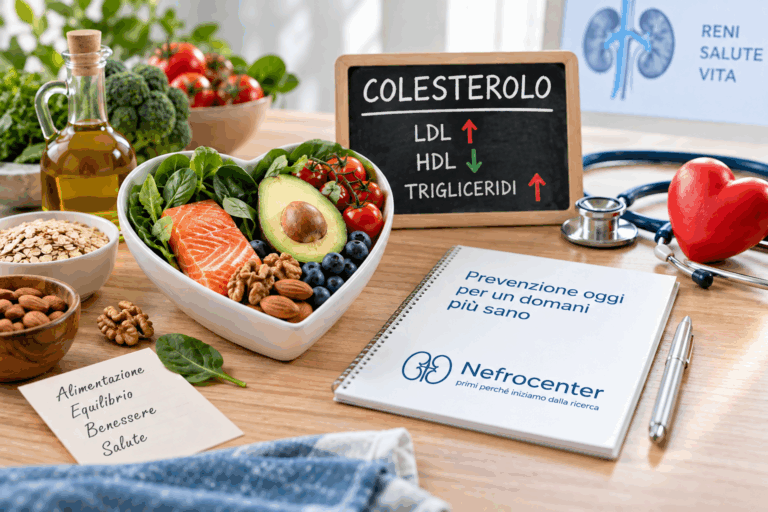
The Mediterranean diet is considered the ideal eating pattern.
Recommended foods
- vegetables
- fresh fruit (in moderation)
- whole grains
- oily fish
- extra virgin olive oil
- legumes
Foods to avoid
- refined sugars
- sugary drinks
- alcohol
- ultra-processed foods
- saturated fats
- fried foods
Reducing consumption of industrial fructose is essential.
Physical activity
Exercise is a true therapy.
Minimum goal: 150 minutes per week
Recommended activities:
- brisk walking
- cycling
- swimming
- resistance training
Drugs under study
Currently there are no approved drugs specifically for NAFLD, but the following are being studied:
- antidiabetic drugs
- anti-inflammatory drugs
- metabolic modulators
Supplements: do they really work?
Some supplements may support the liver, but they do not replace diet.
The most studied:
- omega-3
- vitamin E
- silymarin (milk thistle)
They should be taken only under medical supervision.
Weekly meal plan (example)
| Day | Lunch | Dinner |
| Monday | Brown rice + vegetables | Baked fish + salad |
| Tuesday | Legumes + vegetables | Chicken + zucchini |
| Wednesday | Whole-wheat pasta + tomato | Eggs + spinach |
| Thursday | Quinoa + vegetables | Salmon + broccoli |
| Friday | Rice + legumes | Turkey + salad |
| Saturday | Whole-wheat pasta + vegetables | Fish + vegetables |
| Sunday | Controlled free meal | Light dinner |
How to cure fatty liver
The most searched question is: can fatty liver be treated?
The answer is yes, in most cases.
To get concrete results:
- lose weight gradually
- follow a balanced diet
- exercise regularly
- monitor blood sugar and cholesterol
- avoid alcohol
The liver can return to normal if you act in time.
When to see a specialist
It is important to consult a doctor if:
- transaminases are elevated
- you are overweight or have diabetes
- ultrasound shows fatty liver
- metabolic risk factors are present
A personalized plan makes it possible to prevent serious complications.
The key against fatty liver is prevention
Fatty liver (hepatic steatosis) is an increasingly widespread but often underestimated condition. Although it is silent at first, it can progress to serious diseases.
The key is prevention:
✔ proper nutrition
✔ physical activity
✔ regular checkups
Taking action today means protecting your liver and your future health.