Diagnostic center: the excellence of the NefroCenter Group
A diagnostic center is a healthcare facility that offers a wide range of diagnostic and therapeutic services.

A diagnostic center is a healthcare facility that offers a wide range of diagnostic and therapeutic services. Its task is to identify and treat various conditions. The NefroCenter centers of excellence offer patients services ranging from laboratory diagnostics to imaging. These are facilities that allow the population to undergo specific tests to find out their state of health and detect various conditions.
Services offered by a diagnostic center
A diagnostic center, in fact, offers a wide range of diagnostic and therapeutic services. The various services provided in the NefroCenter facilities are all of the highest quality. There are therefore different types of centers where checkups can be done.
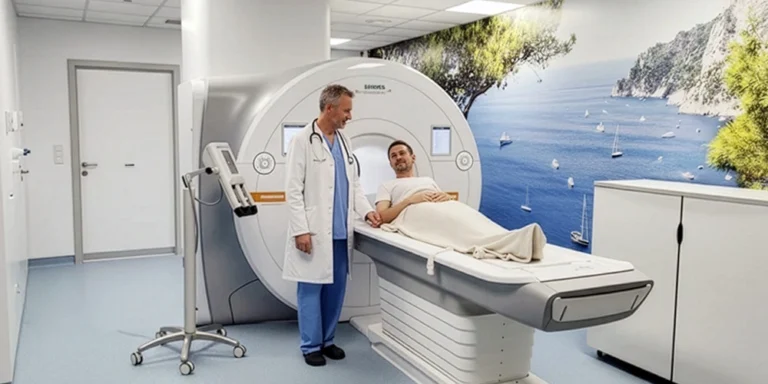
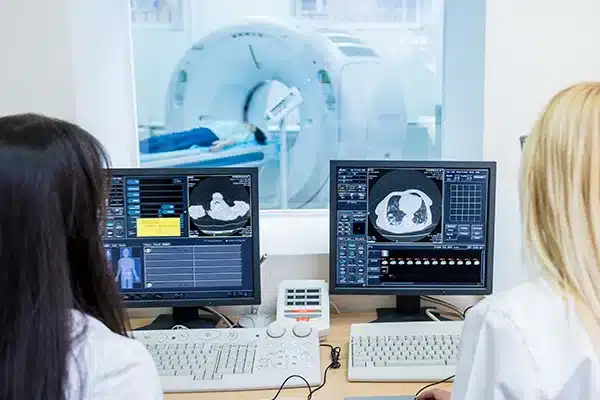
- Radiology exams, such as X-rays, ultrasounds, CT scans and MRI
- Laboratory tests, such as blood, urine and stool tests
- Specialized diagnostic tests, such as endoscopies, electrocardiograms, electromyography and pulmonary function tests
- Diagnostic imaging services, such as mammograms, breast ultrasounds and biopsies
- Nuclear medicine services, such as bone scans and PET
How the facilities are organized
A diagnostic center is generally organized to ensure the efficiency and quality of the services it offers. The difference between centers lies above all in the quality of the equipment, which also ensures the accuracy of results. The skills of the healthcare staff are essential for research and for the evaluation of results. This is precisely the aspect the NefroCenter Group focuses on.
- A team of highly qualified healthcare professionals, such as specialist physicians, laboratory technicians and radiologists;
- A system for booking and managing appointments to ensure a seamless patient experience;
- Comfortable, well-equipped waiting rooms for patients and the people accompanying them;
- State-of-the-art equipment and technology to ensure precise and reliable diagnostic results;
- Standardized protocols and procedures to ensure quality and patient safety.
What the facilities offer
The features of a diagnostic center are designed to ensure a positive patient experience. Their main function is to support the physician’s diagnosis and, in particular, to favor the treatment of each patient’s conditions. These features of the centers include:
- Accessibility for patients with disabilities or reduced mobility;
- Flexible hours to meet patients’ needs;
- Effective communication between the diagnostic center and the referring physicians to ensure continuity of care;
- Fast and accurate results, made available to patients and referring physicians in a timely manner;
- Education and support for patients to help them understand their test results and treatment options.
Legal regulations for a diagnostic center
Diagnostic centers, among other things, are subject to a series of legal regulations that govern their management and operations. These regulations include:
- Licensing and accreditation requirements from local and national health authorities
- Rules on privacy and the protection of patient data
- Requirements for continuing education and professional development for healthcare staff
- Adherence to clinical guidelines and diagnostic protocols recognized at the national and international level
- Monitoring and control of quality and safety processes to ensure compliance with regulations and best practices
We can therefore define a diagnostic center as an essential healthcare facility that offers a wide range of diagnostic and therapeutic services to identify and treat various conditions. In fact, the organization, the features and the legal regulations governing diagnostic centers ensure the quality and efficiency of the services offered, helping to improve the patient experience and the quality of care.