Common symptoms of osteoporosis
Common symptoms of osteoporosis. Osteoporosis is one of the most common bone diseases, but also one of the most insidious.
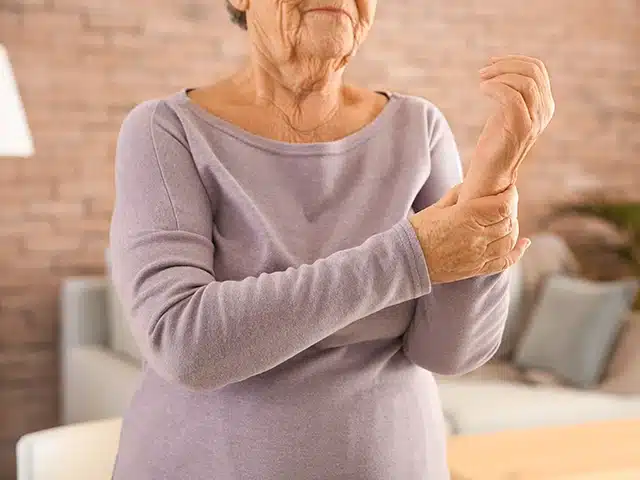
Common symptoms of osteoporosis. Osteoporosis is one of the most common bone diseases, but also one of the most insidious. Often described as a “silent disease,” it can progress for years without obvious symptoms until a fracture occurs. It affects millions of people worldwide, with a higher prevalence in women after menopause, but it does not spare men either. Recognizing the warning signs early is essential to prevent serious complications, improve quality of life and set up an appropriate treatment plan promptly. The Nefrocenter group pays particular attention to the prevention, diagnosis and treatment of osteoporosis through the BMU (Bone Metabolic Unit), also known as the Bone Metabolism Unit. It is a specialist center dedicated to metabolic bone diseases.
What osteoporosis is
Osteoporosis is a pathological condition characterized by a reduction in the density and quality of bone, which becomes more fragile and porous, increasing the risk of fractures, particularly of the hip, wrist and vertebrae. According to the World Health Organization (WHO), osteoporosis is one of the leading causes of disability in older adults. It is a systemic, chronic and progressive disease that, unfortunately, is often diagnosed only after a traumatic event.
The common symptoms of osteoporosis
It is important to be concerned and to see a specialist if you have risk factors (such as early menopause, prolonged use of corticosteroids or a family history) or if a “fragility” fracture has already occurred. Early diagnosis can make the difference in prevention. The symptoms not to ignore are:
Bone pain or back pain
One of the first symptoms of osteoporosis, although often underestimated, is persistent back pain, particularly in the lower back or the upper and middle back. This pain can be caused by microfractures of the vertebrae, which are gradually compressed under the weight of the body. Unlike muscle pain, the pain from osteoporosis tends to be dull, chronic and not linked to specific movements. The pain can get worse over time and, in some cases, become disabling. According to the American College of Rheumatology, more than 50% of women with osteoporosis complain of pain in the spine.
Loss of height
Another telltale sign, which often goes unnoticed, is loss of height. A person with osteoporosis can lose up to 2-3 centimeters every year because of the collapse of the vertebrae. This reduction is often gradual, but it can become noticeable over time, especially in older adults. Vertebral collapse leads to a forward-curved posture, also known as thoracic hyperkyphosis or “dowager’s hump,” typical of many older people with advanced osteoporosis.
Frequent and apparently “trivial” fractures
The most obvious symptom of osteoporosis is fractures, which can occur even after minimal trauma, such as a fall from standing height or, in severe cases, even just from coughing or lifting a light object. The most common fractures involve:
- The vertebrae (compression fractures)
- The proximal femur (femoral neck fracture)
- The wrist (distal radius fracture)
According to a study published in the Journal of Bone and Mineral Research, about one in two women and one in five men over the age of 50 will suffer an osteoporotic fracture during their lifetime.
Muscle weakness and difficulty moving
Even though they are not directly caused by osteoporosis, loss of bone mass can be accompanied by sarcopenia (loss of muscle mass), with a general feeling of weakness, muscle fatigue and difficulty in everyday movements. This condition increases the risk of falls, creating a vicious circle between bone fragility and reduced mobility.
Joint pain mistaken for arthritis
Patients with osteoporosis often complain of widespread pain, particularly in the hips or shoulders. This pain can be mistaken for arthritis or other rheumatic diseases. The difference is that the pain from osteoporosis is usually deep, internal and worsens with pressure or weight-bearing.
People at risk
Not everyone develops osteoporosis, but there are well-identified risk factors that increase the likelihood of developing it and that then lead to the common symptoms of osteoporosis:
- Older age (especially > 65 years)
- Female sex (because of the drop in estrogen after menopause)
- Family history of osteoporosis
- Thinness and low body mass
- Sedentary lifestyle
- Diet low in calcium and vitamin D
- Smoking and alcohol
- Prolonged use of corticosteroids
- Chronic diseases such as hyperthyroidism, diabetes, celiac disease
How it is diagnosed
Early diagnosis is essential. The main tool is bone densitometry (DEXA), a painless test that measures bone mineral density (BMD). According to international guidelines, the test is recommended:
- For all women over 65
- For postmenopausal women with risk factors
- For men over 70 or with predisposing conditions
A T-score below -2.5 confirms the diagnosis of osteoporosis.
Prevention to avoid the common symptoms of osteoporosis
The good news is that osteoporosis can be prevented and treated effectively. Preventive strategies include:
- A diet rich in calcium and vitamin D
- Regular physical activity (especially resistance and weight-bearing exercises)
- Avoiding alcohol and smoking
- Review of medications that affect bone metabolism
- Regular checkups for people at risk
If osteoporosis is diagnosed, the doctor may prescribe antiresorptive drugs (such as bisphosphonates or denosumab) or bone anabolic agents (teriparatide), together with calcium and vitamin D supplements.