01 — SCOPE
Osteoporosis and the importance of prevention
Osteoporosis is a chronic disease of the skeleton that involves a reduction in both the quantity and the quality of bone tissue, making the bones more fragile and prone to fractures, even after minor trauma. The sites most affected are the spine and the femur, and femoral fractures in particular are associated with a high rate of mortality and disability. It is estimated that over 75 million people worldwide have osteoporosis, about 5 million of them in Italy alone. Most are women, especially after the menopause. Often the disease has no obvious symptoms until a fracture occurs, and by then the damage is already far advanced.
The forms of osteoporosis and related conditions
The BMU center deals with several forms of osteoporosis:
- Primary osteoporosis: divided into post-menopausal and senile.
- Secondary osteoporosis: caused by other diseases (endocrine, rheumatic, gastroenterological) and can also affect young people.
- Diabetic osteopathy: related more to the quality of the bone than to its quantity, frequent in diabetic patients.
- Renal osteodystrophy: a complication of chronic kidney failure due to imbalances in calcium-phosphate metabolism and secondary hyperparathyroidism.
02 — SIGNS
Who can turn to the BMU
The project is designed for several patient profiles:
People with post-menopausal osteoporosis
Elderly people at risk of fractures
Patients with kidney disease
People with diabetes
Those with a family history of osteoporosis
Those who have already had fragility fractures
03 — SERVICES
The diagnostic and treatment pathway
Every patient is followed through a pathway that includes:
- Specialist assessments (rheumatological, nephrological, diabetological, endocrinological, orthopedic…)
- Advanced diagnostic tests
- Therapeutic education
- Clinical monitoring and follow-up
- Personalized treatment recommendations, both pharmacological and behavioral
The reference diagnostic tests
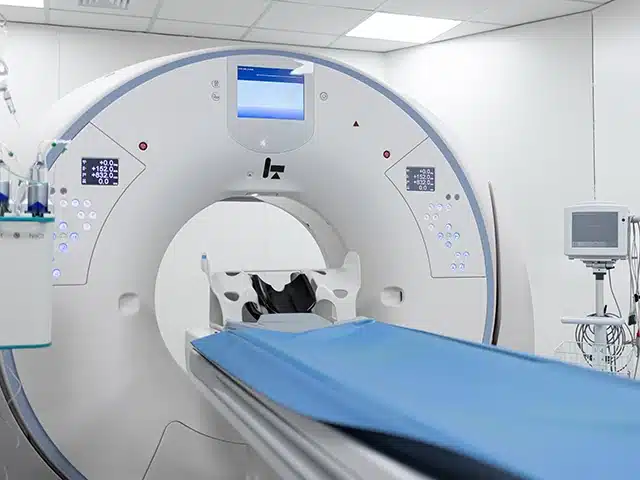
The BMU adopts state-of-the-art technologies for a more precise and complete diagnosis of osteoporosis:
- Bone Densitometry (DXA) with Trabecular Bone Score (TBS)
In addition to bone mineral density (BMD), the TBS assesses the trabecular microarchitecture of the bone, which is essential for identifying fracture risk even in patients with “normal” BMD values, as in the case of diabetes.
It estimates the mechanical strength of the bone on the basis of density and load distribution, helping to predict the risk of vertebral and femoral failure.
- Hip Structural Analysis (HSA)
It analyzes the geometry of the hip, assessing cortical thickness and resistance to torsional loads. Useful for estimating the risk of femoral fracture.
- Densitometric and radiological vertebral morphometry
It makes it possible to detect “silent” vertebral fractures, not perceived by the patient but clinically relevant, by measuring the height of the vertebral bodies according to the Genant scale.
Treatment recommendations
The treatment of osteoporosis at the BMU includes advice on lifestyle, physical activity and diet. As well as targeted drug therapies to reduce the risk of fractures and primary prevention measures to slow down or halt the progression of the disease.