Cardiac arrhythmia: what to do to reduce symptoms and treat it
Cardiac arrhythmia is a disorder of the heart rhythm, also described as heart rate. It basically concerns the beats of the heart.

Cardiac arrhythmia is a disorder of the heart rhythm, also described as heart rate. It basically concerns the beats of the heart, measured per minute. The regular rhythm can therefore be disrupted by various abnormalities in the heart’s electrical system. It is a very common problem that can affect people of all ages, although it is more frequent in older adults. When the heartbeat is too fast we speak of tachycardia. If, on the other hand, the heartbeat is too slow, the person has a condition called bradycardia. When the rhythm is irregular, the medical term for the disorder is atrial fibrillation.
Symptoms of cardiac arrhythmia
The symptoms of cardiac arrhythmia can vary widely, depending on the type of arrhythmia and how severe it is. The most common ones reported, depending on the severity of the disorder, include:
- Palpitations
- Fast or slow heartbeat
- Feeling faint or fainting
- Chest pain
- Difficulty breathing
- Fatigue
Causes
The causes of cardiac arrhythmia can vary, and include:
- Heart disease, such as ischemic heart disease, heart failure or valve disease
- High blood pressure
- Diabetes
- Hyperthyroidism
- Medications
- Alcohol
- Caffeine
- Stress
How to prevent cardiac arrhythmia
There is no sure way to prevent cardiac arrhythmia, but you can lower the risk by taking some measures, such as:
- Keeping your blood pressure under control
- Keeping your diabetes under control
- Maintaining a healthy body weight
- Exercising regularly
- Avoiding smoking
- Limiting alcohol and caffeine intake
- Managing stress
Who to turn to
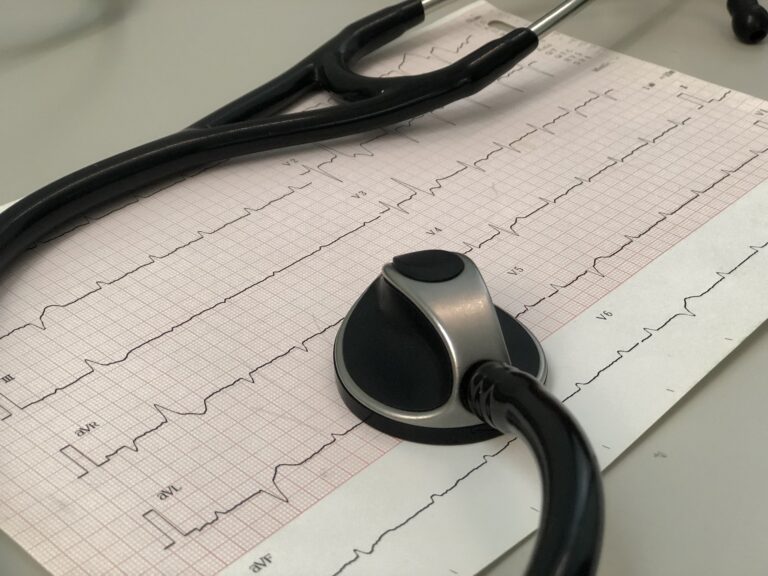
If you suspect you have a cardiac arrhythmia, it is important to see a doctor, such as a cardiologist. The doctor will carry out a physical exam and, if necessary, prescribe diagnostic tests, such as an electrocardiogram (ECG), a Holter monitor or an echocardiogram. The NefroCenter Group has, in its facilities, including Rome American Hospital, state-of-the-art equipment and specialists able to address and resolve the problem.
Which tests to have
Tests for cardiac arrhythmia can include:
- Electrocardiogram (ECG): a test that records the electrical activity of the heart
- Holter monitor: a portable device that records the ECG for 24 hours
- Echocardiogram: a test that uses ultrasound to visualize the heart
- Stress test: a test that assesses the heart’s response to physical exercise
- Cardiac electrophysiology study: an invasive test that studies the heart’s electrical system
What are the treatments for cardiac arrhythmia
The treatment of cardiac arrhythmia depends on the type of arrhythmia and how severe it is. Treatments can include:
- Medications
- Electrical cardioversion
- Catheter ablation
- Pacemaker
- Implantable defibrillator
How to recover after the procedure
Recovery after the procedure depends on the type of procedure and the patient’s condition. In general, patients are able to go home the same day or the day after the procedure. In the first few weeks it is important to avoid strenuous physical effort and to follow the doctor’s instructions for wound care.