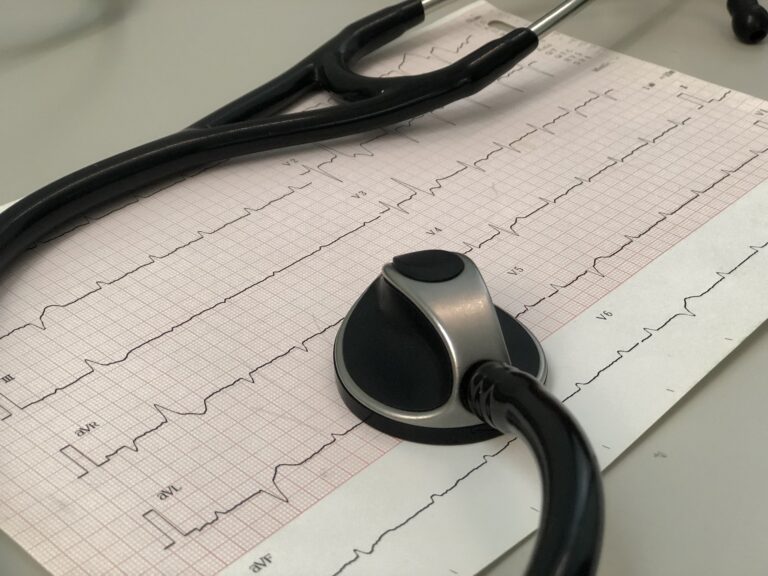
24-hour Holter heart monitor: how it works and contraindications
The 24-hour Holter heart monitor is also called Holter monitoring. It is a noninvasive medical test performed over a single day.
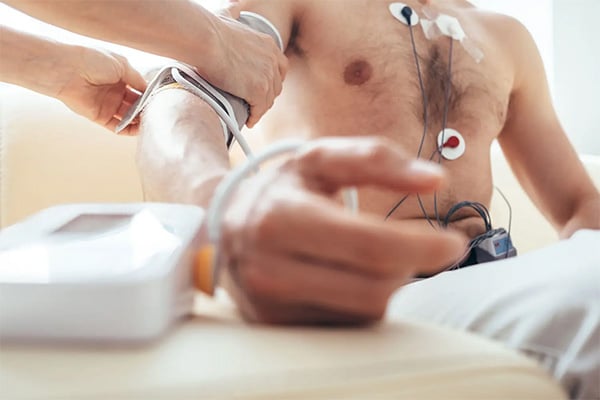
The 24-hour Holter heart monitor is also known as Holter monitoring. It is a noninvasive medical test used to monitor a person’s heart activity over a 24-hour period. The monitoring is continuous.
What the 24-hour Holter heart monitor is for
The main goal of the Holter heart monitor is to detect any abnormalities in the heartbeat. It can show whether there are arrhythmias or heart rhythm disorders that may be hard to detect with a traditional ECG. In addition, the Holter monitor can be used to track how the heart responds to specific activities or situations, such as physical exercise or sleep.
When the test is needed
24-hour Holter heart monitoring is usually prescribed by a cardiologist when a patient has certain symptoms. These can include:
shortness of breath;
palpitations;
fainting;
dizziness.
The test is also useful for monitoring the response to treatment for heart conditions or for assessing the risk of cardiovascular events in high-risk patients.
How 24-hour Holter heart monitoring is done
During the diagnostic test, the patient wears a device that continuously records the electrical activity of the heart for a period of 24 hours. The device generally consists of a few electrodes. These are attached to the chest and connected to a portable recorder. The patient plays a key role and is asked to keep a diary of activities during the recording. In the diary they can note the times of meals, physical exercise or the daily activities they carry out. After Holter monitoring, the recorded data are analyzed by a specialized technician and then reviewed by a specialist physician in cardiology, who will interpret the results and make a diagnosis.
What the cardiologist evaluates
The cardiologist’s evaluation of the data is essential. For this reason, the Nefrocenter Cardio centers rely on top-tier specialists. When evaluating the data, the physician analyzes several parameters:
- Heart rate. The average, maximum and minimum heart rate recorded during the recording period are assessed.
- Heart rhythm. The heart rhythm is assessed, that is, whether the heartbeat is regular or irregular.
- Arrhythmias. The recording is checked for any cardiac arrhythmias, such as ventricular or supraventricular extrasystoles (premature beats), tachycardias, atrial fibrillation or atrial flutter.
- Clinical events. Any symptoms or events reported by the patient during the recording, including dizziness, fainting or chest pain, are analyzed in order to correlate them with any abnormalities recorded on the Holter monitor.
The physician prepares a report that presents the results of the analysis and gives an assessment of the patient’s clinical picture, suggesting any further tests or treatments to be carried out.
The importance of the Holter monitor
Statistics on the Holter heart monitor can vary depending on the studies and the populations examined. According to some statistics, the Holter monitor can detect an arrhythmia in about 10-15% of the patients who undergo the test. In addition, the Holter monitor can be particularly useful in patients with symptoms of heart failure, such as shortness of breath (dyspnea) or chest pain, or in patients who have had a heart attack (myocardial infarction) or who are at risk of developing coronary artery disease. However, it is important to stress that the interpretation of Holter data must be carried out by a specialist physician in cardiology, based on the patient’s clinical picture and characteristics.
Risks and contraindications
Although it is a noninvasive test, for some patients with certain conditions the Holter heart monitor can involve risks or contraindications. Here they are:
- Allergies or intolerances. If allergic or intolerant to plastic or adhesive materials, the patient may have an allergic reaction to the electrode used to attach the Holter monitor sensors to the skin.
- Metal implants or pacemakers. If you have metal implants or a pacemaker, they could interfere with the Holter monitor. The patient may not be able to have the test. In addition, some implants can interfere with the electrical signal recorded by the Holter monitor, making it difficult to evaluate the data.
- Skin problems. If you have irritated skin, wounds or rashes in the area where the electrodes are placed, the test could be uncomfortable or painful.
- Mobility difficulties. If you have mobility difficulties, the patient may have trouble keeping the Holter monitor sensors on your skin for the whole duration of the test.
- Anxiety or claustrophobia problems. The test requires wearing a device that can be bothersome or cause anxiety or claustrophobia in some people.
- Radiation. The Holter heart monitor does not use ionizing radiation, but it can be affected by magnetic fields.
It is important to talk with your doctor before having the Holter heart monitor test in order to assess the specific risks and contraindications for you and to discuss any concerns you may have.