Bronchiolitis: what to do, how to prevent it and how to treat it
Bronchiolitis is an acute respiratory illness caused by a viral infection. It mainly affects the youngest children.
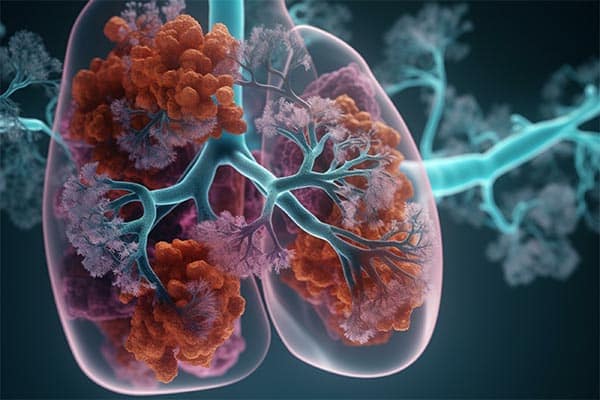
Bronchiolitis is an acute respiratory illness caused by a viral infection. It mainly affects the youngest children, especially those under two years of age. The incidence is highest in the first 6 months of life, with significant spread between November and March. In essence, it is an inflammation of the small airways called bronchioles, the passages that lead into the lungs.
The causes of bronchiolitis
Bronchiolitis is often caused by a viral infection, most commonly respiratory syncytial virus (RSV). This is the case in 75% of cases, according to statistics from the Bambino Gesù Children’s Hospital in Rome. It can also be caused by other viruses, such as
- adenovirus
- coronavirus
- metapneumovirus
- parainfluenza viruses
- rhinovirus
- influenza viruses
The infection is spread through direct contact with infected secretions. If the child was born prematurely and is younger than 3 months, the risk of catching the infection is higher. The same applies in the presence of congenital heart disease, bronchopulmonary dysplasia, cystic fibrosis, immunodeficiencies or congenital airway abnormalities.
Diagnosis
The diagnosis is made by the pediatrician, who assesses the symptoms and how severe they are. During a hospital stay, instrumental and laboratory tests may be performed to look for the virus that caused the bronchiolitis. This makes it possible to give a specific and better drug therapy. Measuring oxygenation with a pulse oximeter, which the doctor also does, is essential. If the readings are below 92-94%, it is essential to take the young patient to the hospital. In some cases a chest X-ray may be requested to look for areas of consolidation or areas of the lungs without air.
Symptoms
Several symptoms can occur, and they may progressively worsen. At first, in fact, the symptoms can resemble those of the common cold, with a runny nose and congestion. A persistent cough may also develop, often getting worse over the first few days. In more severe cases, bronchiolitis can cause breathing difficulties and labored breathing. Affected children may make sounds such as wheezing or rhonchi while breathing. Some may also develop a fever, but this is not a given. At the start, a low-grade fever may appear together with a runny nose caused by inflammation in the upper airways.
How long bronchiolitis lasts
The illness phase lasts from 6 to 10 days. It peaks between the third and fifth day. The cough, however, may take up to 3 weeks to go away completely. In general, during this phase the child stays calm and alert and keeps eating. A fever does not always appear. Hospitalization in a children’s hospital may be necessary only in the more serious cases. When the child is under 6 months of age, it may be decided to keep the child under observation in the hospital until normal breathing is restored.
What to do
Prevention consists of thorough handwashing and of keeping the child from coming into contact with infected secretions. In most cases, the prognosis is good with appropriate drug treatment. It is important to consult a doctor if you suspect that a child has bronchiolitis, especially if the symptoms become severe or persist. Prevention through good hygiene practices and attention to contact with sick people is essential to protect children.