Breast cancer: NefroCenter’s initiatives for Pink October
World Breast Cancer Day is observed on October 19, and NefroCenter contributes throughout the whole month.
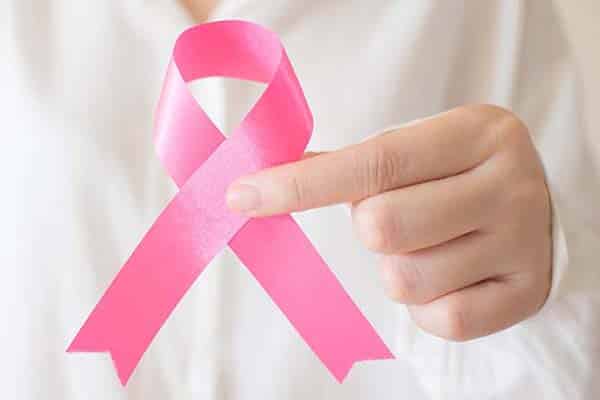
World Breast Cancer Day is observed every year on October 19, and throughout the month NefroCenter makes its contribution with diagnostic tests accessible to everyone. The Day was established to raise awareness of a very common disease. According to AIRTUM-AIOM-Fondazione AIOM data, 55,500 new cases are diagnosed every year in Italy. Of these, 500 also affect men. The cancer is therefore the most frequent among women in all age groups. In Italy it is one of the leading causes of death among women. Prevention and early diagnosis are of the utmost importance, because timely detection can significantly increase the chances of a cure.
Pink October: a month dedicated to breast cancer prevention
The month of October is commonly known around the world as “Prevention Month” or “Pink October.” During this period, many organizations and institutions join forces to raise awareness of breast cancer through educational initiatives, screening campaigns and fundraising for research. The NefroCenter Group is one of them, and in its facilities in Naples it makes an important contribution to prevention. Throughout October, the group allows women over 40 to have a mammogram and breast ultrasound for 50 euros. This is far less than what would be needed to have the two essential prevention tests. In addition, at Rome American Hospital it is possible to turn to a breast center of excellence for the diagnosis and treatment of breast cancer.
What breast cancer is
Breast cancer is a malignant disease that affects the cells of breast tissue. It appears as an uncontrolled growth of abnormal cells, which can start in different parts of the breast. There are several types of breast cancer, each with different characteristics. The main types include invasive ductal carcinoma, invasive lobular carcinoma, ductal carcinoma in situ and lobular carcinoma in situ. Each type has different cell characteristics and ways of spreading.
Symptoms
Common symptoms of breast cancer include a lump or mass in the breast, changes in the shape or size of the breast, abnormal nipple discharge, red or thickened skin, and breast pain. It is essential to pay attention to these signs and to see a doctor if you have any suspicion.
Risk factors and causes
Several risk factors can increase the likelihood of developing the disease. These include age, a family history of breast cancer, exposure to sex hormones, alcohol consumption, obesity and others. However, many women who develop breast cancer have no obvious risk factors. The causes are not completely understood, but they involve a complex combination of genetic, environmental and hormonal factors. Research is ongoing to better understand the specific causes of this disease.
Prevention through breast self-examination
Breast self-examination is a basic method for the early detection of breast cancer. Women are encouraged to perform self-examination regularly to notice any changes in the consistency or shape of the breast. However, it is essential to remember that self-examination does not replace medical visits or regular checkups.
Treatments
Treatment of breast cancer depends on the type and stage of the disease. Treatment options include surgery, radiotherapy, chemotherapy, hormone therapy and targeted therapy. The treatment plan is tailored to the needs of each patient.