Liver symptoms: 15 warning signs not to ignore
Liver symptoms: a silent organ that speaks late. The liver is one of the most complex and vital organs of the human body

Liver symptoms: a silent organ that speaks late
Liver symptoms: a silent organ that speaks late. The liver is one of the most complex and vital organs of the human body. It performs hundreds of functions that are essential for survival, many of which take place silently and continuously, without our noticing. It filters the blood, metabolizes nutrients, produces bile, regulates cholesterol, stores vitamins and helps control the immune system.
It is precisely this extraordinary ability to adapt that makes the liver a “discreet” organ. It can suffer significant damage without showing obvious symptoms for a long time. By the time liver symptoms appear, the disease has often been present for months or years.
Recognizing the early signs of liver problems is therefore essential. This guide has a specific goal: to provide clear, reliable and well-organized information to help you understand what the symptoms of liver disease are, how to interpret them and when you need to see a specialist.
Why the liver is so important for the body’s balance
The liver weighs about one and a half kilograms on average and is involved in almost all metabolic processes. Any change in its function affects the entire body.
Among the main functions of the liver:
- Cleansing the blood of toxins, drugs and waste substances
- Producing bile, which is essential for the digestion of fats
- Metabolism of sugars, proteins and lipids
- Regulating blood glucose levels
- Synthesis of plasma proteins and clotting factors
- Storage of essential vitamins and minerals
When the liver becomes diseased, these processes become less efficient. Liver symptoms are never isolated; they reflect an imbalance affecting the whole body.
The 15 main liver symptoms to recognize
Jaundice: yellow skin and eyes
Jaundice is one of the most recognizable symptoms of liver disease. It shows up as a yellowish color of the skin and the whites of the eyes. It is caused by a buildup of bilirubin in the blood, which the liver can no longer metabolize properly.
Jaundice is not a disease but an important clinical sign that can point to:
- Acute or chronic hepatitis
- Bile duct obstructions
- Cirrhosis
- Liver or pancreatic tumors
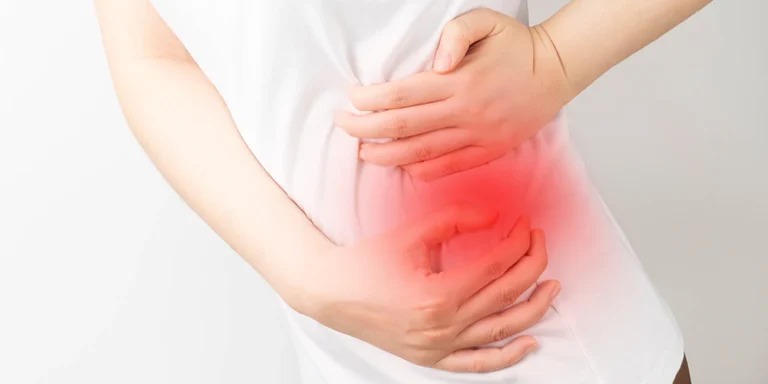
Liver pain and discomfort in the right side of the abdomen
The liver pain is located in the upper right part of the abdomen. It is often not a sharp pain, but a feeling of heaviness, tension or persistent discomfort.
It is typical of conditions such as:
- Enlarged liver (hepatomegaly)
- Hepatitis
- Liver congestion
- Advanced fatty liver (steatosis)
The liver itself is not very sensitive to pain, but when the organ enlarges it can stretch the capsule that surrounds it, producing symptoms.
Chronic tiredness and persistent fatigue
Tiredness is one of the most common and most underestimated symptoms of an inflamed liver. It is not simple fatigue, but a constant feeling of exhaustion that does not improve with rest.
An impaired liver struggles to manage energy metabolism and the elimination of toxins, resulting in a general feeling of weakness.
Recurring nausea and vomiting among liver symptoms
When the liver does not work properly, digestion is disrupted. The production and flow of bile can decrease, causing nausea, an aversion to fatty foods and sometimes vomiting.
These liver symptoms are common in hepatitis and in cholestatic diseases.
Loss of appetite
Loss of appetite is often an early sign. It can be associated with feeling full quickly and with unintentional weight loss.
Among the symptoms of liver disease, the reduced appetite results both from metabolic changes and from changes in the production of digestive hormones.
Dark urine and pale stools
A diseased liver changes the color of waste. Urine becomes dark because of the increased bilirubin eliminated by the kidneys, while stools may look pale or grayish because of the reduced presence of bile.
This sign is particularly indicative of a liver or bile duct problem.
Persistent skin itching
Generalized itching, especially at night, is an often overlooked sign of liver problems. It is caused by the buildup in the blood of bile salts that are not being properly eliminated.
It is not accompanied by obvious skin lesions and may come before other, more serious symptoms.
Abdominal swelling (ascites)
Ascites is the buildup of fluid in the abdominal cavity and is typical of advanced liver disease, particularly cirrhosis.
It indicates a significant alteration in blood circulation in the liver and in protein synthesis.
Edema in the legs and ankles
The liver produces albumin, a protein that is essential for keeping fluids inside the blood vessels. When production decreases, fluids tend to leak into the tissues, causing swelling in the lower limbs.
Easy bruising and bleeding
A reduction in clotting factors leads to spontaneous bruising, bleeding gums and frequent nosebleeds.
This is a sign of advanced liver impairment.
Mental confusion and cognitive difficulties
Known as hepatic encephalopathy, mental confusion is caused by the buildup of toxins, such as ammonia, that the liver can no longer neutralize.
It can show up as:
- Difficulty concentrating
- Changes in behavior
- Drowsiness
- Disorientation
Varicose veins on the abdomen
The appearance of dilated veins on the abdomen is a sign of portal hypertension, a condition typical of chronic liver disease.
Involuntary weight loss
Unintentional weight loss is common in the symptoms of an enlarged liver and in chronic diseases. It is linked to malabsorption, loss of appetite and increased energy expenditure.
Persistent fever among liver symptoms
A mild but continuous fever can indicate an inflammatory or infectious process affecting the liver, such as viral or bacterial hepatitis.
Sleep disorders
Insomnia, reversal of the sleep-wake rhythm and daytime sleepiness are common in chronic liver disease and contribute to a worse quality of life.
Mild and severe liver symptoms: when to worry
Not all liver symptoms are equally serious. Some may be temporary, while others point to a significant disease.
Symptoms that require immediate evaluation include jaundice, ascites, mental confusion, bleeding and marked swelling. The presence of several symptoms at the same time should also be considered a warning sign.
Liver symptoms and the main associated diseases
| Symptom | Possible diseases |
| Jaundice | Hepatitis, cirrhosis, tumors |
| Liver pain | Hepatomegaly, steatosis |
| Ascites | Cirrhosis |
| Itching | Cholestasis |
| Confusion | Hepatic encephalopathy |
Risk factors that increase the likelihood of liver disease
Many factors contribute to the development of liver disease:
- Excessive alcohol consumption
- A diet rich in sugars and fats
- Obesity and diabetes
- Viral infections
- Prolonged use of medications
- Exposure to toxic substances
Prevention comes from knowing about these factors and managing them consciously.
Early diagnosis: the value of liver prevention
Many liver diseases can be cured or controlled if they are diagnosed at an early stage. Blood tests, ultrasound and other noninvasive investigations make it possible to detect changes even before symptoms appear.
In this context, the NefroCenter Group promotes a culture of prevention and early diagnosis, bringing together specialist expertise and dedicated care pathways for chronic and metabolic diseases.
To learn more about the group’s services, clinical approach and activities, you can visit the official website: https://www.nefrocenter.it
What to do when liver symptoms appear
When signs of liver problems appear, it is essential to:
- Not ignore the symptoms
- See your family doctor
- Have a specialist evaluation
- Follow any diagnostic recommendations
Self-diagnosis and delay can compromise the prognosis.
Listening to liver symptoms means protecting your health
The liver is a silent organ, but when it starts to “speak,” it does so through signals that should not be underestimated. Knowing the liver symptoms, understanding what they mean and acting promptly is a responsible choice for your own health.
Modern medicine now offers effective diagnostic tools and increasingly personalized care pathways. Prevention, accurate information and access to specialized facilities are the keys to approaching liver disease with greater awareness.
Read also: Liver health: symptoms, diseases and tests