Cold dermatitis: causes, symptoms and treatment
Cold dermatitis, also called pernio, is an inflammatory skin reaction. This reaction is caused by exposure to cold.
Cold dermatitis, also called pernio, is an inflammatory skin reaction. This reaction is caused by exposure to cold. It is common among residents of cold climates and mountainous areas. In essence, cold dermatitis is an abnormal vasomotor reaction to low temperatures. It occurs when exposure to cold causes constriction of the blood vessels in the skin, which can lead to ischemia and tissue damage. Genetic predisposition and environmental factors play an important role in the development of the disease.
Symptoms of cold dermatitis
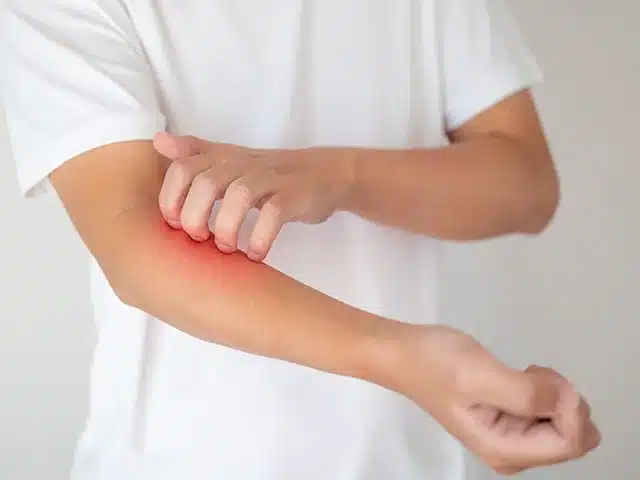
Cold dermatitis can show up with several symptoms. These are erythema, edema, itching, pain and, in more severe cases, lesions.
- Erythema. This is a reddening of the skin caused by the dilation of the small blood vessels, that is, the capillaries, in the affected area. The reaction is often associated with an increase in local blood flow, so it appears with different intensities and shades of red.
- Edema. Edema is a buildup of fluid in the spaces between cells. This buildup of fluid causes visible swelling, often in the lower limbs, the legs and feet, but it can also affect other parts of the body such as the face.
- Intense itching. A feeling of intense itching is one of the most common symptoms of cold dermatitis. The inflammatory reaction of the skin, triggered by the cold, stimulates the nerve endings that send itch signals to the brain. What is more, skin exposed to the cold tends to dry out, causing tiny skin lesions that can trigger itching.
- Pain. Pain appears in the more advanced stages of cold dermatitis. It affects in particular some of the most exposed areas, such as the hands, feet, ears and nose.
- Lesions. In the most severe cases, blisters, ulcers and tissue necrosis can appear.
The areas most often affected, here too as with pain, are the hands, feet, ears and nose.
People at risk
Some people are at particular risk of developing the disease because of genetic factors. Children, for example, have more delicate skin and are more exposed to the cold. Older people are also at risk because of reduced blood circulation. People with vascular diseases need to be especially careful, in particular those with Raynaud’s disease, a blood circulation disorder that mainly affects the fingers and toes. Those with atopic dermatitis are also at risk, as it predisposes to the development of cold dermatitis.
Risk factors
There are no specific “peoples” more predisposed to cold dermatitis, in the sense of ethnic groups or races. However, there are some factors that can increase an individual’s susceptibility to this condition, regardless of ethnic origin.
Risk factors that can make some people more susceptible:
- Climate conditions. People who live in very cold and damp climates are more exposed.
- Occupations. People who work outdoors, such as farmers or fishermen, are at higher risk.
- Pre-existing skin conditions. People with eczema, psoriasis or other skin diseases are more predisposed.
- Sex. Although there are no definitive data, some research suggests that women may be slightly more affected.
- Age. Both children and older people can be more sensitive to the cold.
- Blood circulation. Circulatory problems can make the condition worse.
- Medications. Some medications can increase sensitivity to cold.
The most susceptible people
- Genetics: A genetic predisposition can make some people more susceptible to skin reactions to cold.
- Skin barrier: A compromised skin barrier, as in eczema, makes the skin more vulnerable to external agents, including cold. Eczema, also known as atopic dermatitis, is an inflammatory skin condition characterized by intense itching, redness and dryness. It can appear at any age, but is more common in children.
- Microcirculation: Changes in local blood circulation can worsen the response to cold.
Is cold dermatitis contagious?
Cold dermatitis is not contagious. It is an individual reaction of the body to exposure to cold, and contact by other people with the parts of the body where the condition appears does not transfer bacteria.
Diagnosis
The diagnosis of cold dermatitis is based mainly on the patient’s medical history and physical examination. It is important to reconstruct the exposure to cold and to assess the presence of other risk factors. In some cases, laboratory tests can be useful to rule out other skin conditions. In the facilities of the NefroCenter group, dermatology specialists make the diagnosis carefully, after the patient describes the symptoms and the skin is examined visually.
Recommended laboratory tests
To look further into the origin of cold dermatitis and help the specialist find the most suitable therapy, clinical tests can be done. In the analysis laboratories of the NefroCenter group it is therefore possible to have the specific tests done.
The dermatologist may ask the patient to have the following tests:
- Patch test. The test is used to identify any contact allergens that may trigger or worsen the dermatitis. Patches containing various suspected substances are applied to the back, and the skin reaction is then observed after 48-72 hours.
- Prick test. This test is used to identify allergies to inhaled substances, such as pollen or dust mites.
- Skin biopsy. In some cases, a skin biopsy may be needed to rule out other conditions and confirm the diagnosis of eczema.
- Blood tests. They may be requested to look for infections, autoimmune diseases or other conditions that can cause symptoms similar to eczema.
Other tests your doctor may ask you to have are:
- Wood’s lamp. An ultraviolet light lamp that can help visualize some fungal infections associated with eczema.
- Cytology. Microscopic examination of a sample of cells taken from the lesion.
Treatment
The main goal of treating cold dermatitis is to protect the skin from low temperatures and relieve symptoms. The main therapies include:
- Protection from low temperatures. This can be done by wearing suitable gloves, scarves and hats, which let the most exposed parts of the body protect themselves.
- Skin hydration. Use emollient and moisturizing creams to protect the skin.
- Topical medications. Topical corticosteroids to reduce inflammation and antihistamines to relieve itching.
- Phototherapy. In more severe cases, exposure to ultraviolet radiation can be helpful.
Preventing cold dermatitis
Preventing cold dermatitis is therefore essential. Dermatologists advise protecting the skin from low temperatures, using moisturizing and protective creams and avoiding sudden changes in temperature. It is also important to follow a balanced diet and to quit smoking.