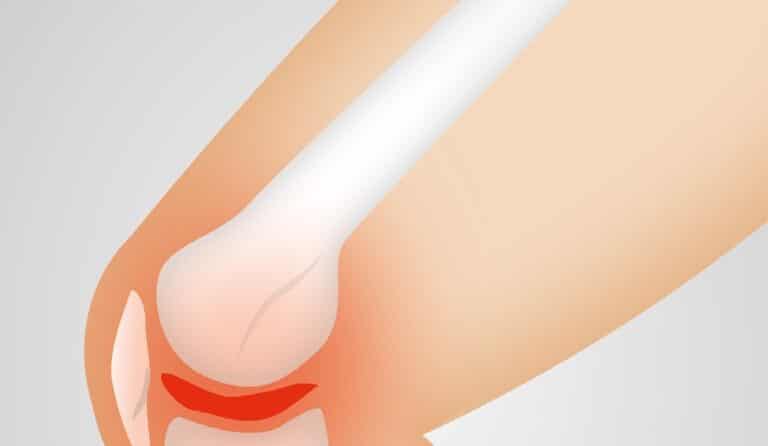
Rheumatoid arthritis
Rheumatoid arthritis: symptoms, causes, risk factors and treatment. Arthritis is a chronic inflammatory disease.

Rheumatoid arthritis: early symptoms, diagnosis, biologic therapy and the difference from osteoarthritis
Rheumatoid arthritis is an autoimmune inflammatory disease that can begin with pain, swelling and stiffness, especially in the hands and wrists. Recognizing it early is important because modern therapies, from traditional drugs to biologics, can control inflammation and limit joint damage. But how can you tell it apart from the more common osteoarthritis?
Pain in the hands that appears in the morning, fingers that feel stiff and need time to “loosen up,” swelling that involves several joints at once. These are complaints that can easily be put down to age, to work, or simply to a period of greater fatigue.
Joint pain, however, is not always the result of wear and tear.
When stiffness and swelling persist, especially if they affect the small joints of the hands symmetrically, it may be necessary to rule out an inflammatory disease such as rheumatoid arthritis.
Understanding the difference is important. Rheumatoid arthritis is not simply a consequence of the aging of the joints, but a systemic autoimmune disease: the immune system, which normally protects us from infections, develops an abnormal response that causes persistent inflammation, especially in the synovial membrane that lines the joints.
If this inflammation is not adequately controlled, over time it can damage cartilage and bone, progressively limiting joint function.
The good news is that the story of rheumatoid arthritis has changed profoundly. Today the goal of therapy is not simply to relieve pain, but to control the disease until, when possible, sustained remission or low disease activity is reached. The most recent EULAR recommendations also confirm the importance of starting disease-modifying therapy quickly once the diagnosis has been made.
What is rheumatoid arthritis
Rheumatoid arthritis is a chronic inflammatory disease in which the immune system mistakenly attacks some of the body’s tissues.
The main target is the synovial membrane, the thin tissue that lines the inside of many joints. When it becomes inflamed, the synovium increases in volume and causes pain, swelling and difficulty moving.
If the inflammatory process persists, it can progressively involve cartilage, bone and the surrounding structures.
This is precisely what distinguishes rheumatoid arthritis from simple occasional joint pain. It is not just a matter of controlling the symptom: the aim is to stop or reduce the inflammatory process responsible for the damage.
The disease can present differently from person to person. In some patients the onset is fairly obvious, with several swollen and painful joints; in others the initial symptoms are subtler and can be mistaken for common complaints.
Rheumatoid arthritis: early symptoms in the hands
The hands are among the most characteristic sites of rheumatoid arthritis, and the first signs often come from here.
The patient may wake up in the morning with fingers that feel stiff, swollen or hard to move. Opening and closing the hand, buttoning a shirt, gripping a cup or performing small everyday tasks can temporarily become more difficult.
Morning stiffness of an inflammatory nature tends to last a long time and to improve gradually with movement.
The joints at the base of the fingers and the middle ones can be involved in particular, as well as the wrists. Another characteristic feature is the tendency toward symmetrical involvement: for example, both hands or both wrists. This pattern is common, but it is not a diagnosis in itself and it is not necessarily present in every patient.
Joint swelling deserves particular attention. In rheumatoid arthritis it is not merely a subjective sense of a “swollen hand”: inflammation of the synovium can produce visible swelling that can be recognized during the rheumatology examination.
The most recent EULAR recommendations stress an important point: the clinical presence of swollen joints due to synovitis is a central feature in establishing a diagnosis of rheumatoid arthritis. Ultrasound and MRI can provide valuable information, but an inflammatory finding on imaging, on its own, is not equivalent to a diagnosis of rheumatoid arthritis.
Not only the hands: which joints can be affected?
Rheumatoid arthritis can involve many joints.
Besides the hands and wrists, the feet, ankles, knees, elbows and shoulders can be affected. The distribution and intensity of the symptoms can change over the course of the disease.
Some people go through periods of greater inflammatory activity, the so-called flare-ups, alternating with phases in which the symptoms are much milder.
But rheumatoid arthritis is a systemic disease, not exclusively a joint disease. The inflammation can be accompanied by persistent fatigue, a general feeling of being unwell and, in some patients, manifestations that affect other organs and body systems.
That is exactly why it is important not to think of it simply as “a joint problem.”
Rheumatoid arthritis or osteoarthritis? The difference is fundamental
In everyday language the terms arthritis and osteoarthritis are often used as synonyms. From a medical point of view, however, they refer to profoundly different conditions.
Rheumatoid arthritis is an autoimmune disease characterized by an inflammatory process. Osteoarthritis, by contrast, is a joint disease in which changes in the cartilage, the subchondral bone and the other structures of the joint play a central role.
The symptoms can also have different characteristics.
In rheumatoid arthritis, morning stiffness generally tends to last longer and the swelling linked to synovitis is an important element. Pain can be particularly noticeable after rest and improve, at least partially, with movement.
In osteoarthritis, pain frequently has a mechanical component: it tends to be associated with use of the joint and with load, although stiffness and inflammatory phases can be present.
The hands, too, can offer some clues. Rheumatoid arthritis typically affects the wrists and the metacarpophalangeal and proximal interphalangeal joints; osteoarthritis of the hands frequently also involves the joints closer to the fingertips and the base of the thumb.
These differences help the doctor in orienting the diagnosis, but they should not be used for self-diagnosis. Pain in the hands does not automatically mean either rheumatoid arthritis or osteoarthritis.
Why early diagnosis matters
In rheumatoid arthritis, time has a special significance.
Persistent joint inflammation can progressively cause structural changes. For this reason, modern rheumatology tries to reach the diagnosis and start treatment as early as possible.
The 2025 EULAR recommendations, published in 2026, state that DMARDs – Disease-Modifying Antirheumatic Drugs – should be started as soon as the diagnosis of rheumatoid arthritis is made.
This does not mean that everyone with pain in the hands should start antirheumatic therapy. It means exactly the opposite: it is necessary to quickly distinguish people who have true inflammatory arthritis from those who suffer from other conditions.
Early diagnosis therefore makes it possible to start the appropriate therapy promptly and increases the chances of achieving disease control before significant joint damage builds up.
How rheumatoid arthritis is diagnosed
There is no single test capable, on its own, of answering the question “do I have rheumatoid arthritis?”
The diagnosis comes from the combination of clinical history, rheumatology examination, laboratory tests and, when necessary, diagnostic imaging.
During the examination the rheumatologist assesses which joints are involved, looks for swelling consistent with synovitis, considers how long the symptoms have lasted and reconstructs how the problem has developed.
Blood tests can include markers of inflammation, such as ESR and C-reactive protein (CRP), together with testing for rheumatoid factor and anti-cyclic citrullinated peptide antibodies (anti-CCP/ACPA).
Anti-CCP antibodies are particularly useful in the diagnostic work-up, but even their presence should not be interpreted separately from the clinical picture. Likewise, the absence of rheumatoid factor or anti-CCP does not necessarily rule out the disease: there are in fact forms known as seronegative.
Ultrasound, X-rays and magnetic resonance imaging
Diagnostic imaging can complete the picture.
X-rays make it possible to assess any structural changes in the joints. Musculoskeletal ultrasound can show synovitis, effusion and other signs of inflammation; in selected situations, magnetic resonance imaging can also provide very detailed information.
One point deserves emphasis, however. The most recent EULAR recommendations remind us that synovitis detected with ultrasound or MRI is not specific to rheumatoid arthritis, because it can also be seen in other rheumatic diseases.
It is therefore the integration of the different elements, interpreted by the rheumatologist, that makes a correct diagnosis possible.
How rheumatoid arthritis is treated today
In recent decades the treatment of rheumatoid arthritis has undergone a radical change.
In the past the approach was often focused mainly on reducing pain and inflammation. Today the goal is more ambitious: to modify the course of the disease, achieving sustained remission or at least low activity.
This is the treat-to-target principle, that is, “treating toward a goal.”
The EULAR recommendations call for frequent follow-up when the disease is active, generally every one to three months. If no improvement is seen within about three months, or the treatment target is not reached within six months, the strategy should be reassessed.
This makes treatment dynamic: therapy is monitored and adjusted according to each patient’s response.
Methotrexate and antirheumatic drugs: background therapy
The drugs that modify the course of the disease are referred to by the acronym DMARD.
Among the conventional ones, methotrexate continues to play a central role. The 2025 EULAR recommendations indicate that it should be part of the first treatment strategy in most patients in whom it can be used. In case of contraindication or early intolerance, alternatives such as leflunomide or sulfasalazine can be considered.
In certain situations, glucocorticoids can also be used for a limited period, with the aim of reducing and stopping them as quickly as is clinically feasible.
Anti-inflammatory drugs and analgesics can help control symptoms in selected patients, but they do not replace the background therapy intended to modify disease activity.
Biologic drugs: what they are and when they are used
One of the most important advances in the treatment of rheumatoid arthritis is represented by biologic drugs, or bDMARDs.
They are medicines designed to act on specific targets involved in the inflammatory process.
The options available include drugs that interfere with TNF, such as adalimumab, certolizumab pegol, etanercept, golimumab and infliximab; others act on different immunological mechanisms, such as abatacept, rituximab, tocilizumab and sarilumab. Several biosimilars are also available.
Biologics, however, are not automatically the first therapy for every person with rheumatoid arthritis.
According to the 2025 EULAR update, if the treatment target is not reached with the strategy based on conventional DMARDs, a biologic drug should be added.
The choice is made by the rheumatologist, taking into account disease activity, response to previous therapies, other conditions present, safety profile and individual characteristics.
Not only biologics: targeted drugs and JAK inhibitors
Alongside biologics there is another category of advanced therapies: targeted synthetic DMARDs, including Janus kinase inhibitors, or JAK inhibitors.
Unlike biologic drugs, these are synthetic molecules and can be taken by mouth. They act by interfering with specific intracellular pathways involved in the inflammatory response.
The updated EULAR recommendations indicate that they can be considered when conventional therapy does not allow the target to be reached, but they require careful individual assessment of risk factors, including those related to major cardiovascular events, malignancies and thromboembolic events.
This is a concrete example of how personalized the treatment of rheumatoid arthritis is today: there is no single best drug, but a strategy to be built around the person.
Can biologic drugs make rheumatoid arthritis disappear?
It is important to avoid a misunderstanding.
Biologic drugs have profoundly improved treatment options, but they cannot be described as a “definitive cure” able to eliminate the disease forever.
The goal is to achieve very effective control of inflammation and, when possible, clinical remission.
When remission is maintained over time, the rheumatologist may consider a gradual reduction of therapy in selected patients. The EULAR guidelines stress, however, that complete discontinuation of DMARDs can be followed by a reactivation of the disease.
For this reason, any change in therapy must be agreed with the specialist.
Rheumatoid arthritis and the kidneys: why treatment requires care
In a care pathway dedicated to rheumatoid arthritis, it is also important to consider kidney function.
The relationship is complex. Kidney health can influence the choice and dosage of some medicines, while some therapies used to control pain and inflammation call for particular caution in patients with reduced kidney function.
An important example concerns nonsteroidal anti-inflammatory drugs (NSAIDs). Their use, especially if prolonged or in people with kidney disease, hypertension, heart failure or other predisposing conditions, must be carefully assessed by the doctor.
This is another reason why patients should not manage joint pain on their own for long periods with over-the-counter drugs without having clarified the cause.
Assessment of kidney function, together with the other laboratory checks required by individual therapies, can therefore be part of the overall monitoring of the rheumatology patient.
Movement and physical activity: stopping completely is not the solution
When a joint hurts, the instinctive reaction may be to use it as little as possible.
During an acute inflammatory phase it may indeed be necessary to adapt activity. In the long term, however, complete inactivity is not the ideal strategy.
Personalized exercise helps maintain mobility, muscle strength and function. The 2025 EULAR update on physical activity in inflammatory arthritis and osteoarthritis confirms the role of exercise within the overall management of these conditions.
The program must of course be suited to the phase of the disease, the joints involved and the person’s general condition.
When should pain in the hands lead you to a rheumatologist?
Occasional pain after exertion does not necessarily need to cause alarm.
The situation is different with persistent joint swelling, prolonged morning stiffness, difficulty moving the hands, involvement of several joints, or symptoms that continue for weeks.
In these circumstances it is advisable to talk to your doctor and to assess whether a rheumatology work-up is needed.
The key point is to avoid two extremes: becoming alarmed at any joint pain or, on the contrary, living for months with swollen joints thinking it is simply “osteoarthritis.”
A correct diagnosis makes it possible to tell apart conditions that can look similar but require profoundly different treatments.
Rheumatoid arthritis: stepping in early today can change the course of the disease
Rheumatoid arthritis remains a chronic disease, but today it can be approached with far broader treatment options than in the past.
The real turning point is not only the arrival of biologic drugs. The whole way of treating the disease has changed: earlier diagnosis, prompt treatment, frequent monitoring and precise therapeutic goals.
The most up-to-date EULAR recommendations reiterate that treatment should be decided together by the patient and the rheumatologist, taking into account disease activity, safety, comorbidities and the progression of structural damage.
That is why recognizing the first signs matters.
Swollen hands in the morning, stiffness that persists, symmetrical joint pain and difficulty with small everyday tasks do not necessarily mean rheumatoid arthritis. But when these complaints persist, they should not automatically be put down to age or osteoarthritis.
Reaching a diagnosis sooner means being able to act on the inflammation sooner. And it is precisely in the early phases that time can become one of the most important allies of therapy.
FAQ on rheumatoid arthritis
What are the first symptoms of rheumatoid arthritis?
Early symptoms can include pain, swelling and stiffness of the joints, often more noticeable in the morning. The hands and wrists are frequently affected, and the involvement can be symmetrical. Fatigue and a general feeling of being unwell may also occur.
How does rheumatoid arthritis start in the hands?
It can begin with stiff fingers on waking, difficulty closing the hand, and pain and swelling of the joints. The joints at the base and in the middle part of the fingers, and the wrists, are frequently affected. The mere presence of pain in the hands, however, does not make it possible to reach a diagnosis.
How long does morning stiffness last in rheumatoid arthritis?
The stiffness of inflammatory arthritis tends to be prolonged, often longer than what is typically seen in osteoarthritis, and it improves gradually with movement. Its duration, however, varies between patients and is not in itself a diagnostic criterion.
What is the difference between rheumatoid arthritis and osteoarthritis?
Rheumatoid arthritis is an inflammatory autoimmune disease, while osteoarthritis is a joint disease characterized by degenerative and structural changes in the joint. In arthritis, synovitis, swelling and inflammatory stiffness are particularly important; in osteoarthritis, the pain often has a greater mechanical component.
Which tests confirm rheumatoid arthritis?
There is no single diagnostic test. The rheumatologist combines the examination, the presence of synovitis, tests such as rheumatoid factor, anti-CCP, ESR and CRP and, if needed, X-rays, ultrasound or magnetic resonance imaging. Patients who test negative for autoantibodies can also have a seronegative form.
Can rheumatoid arthritis be cured?
At present there is no definitive cure for all patients, but modern therapies can achieve very effective control of the disease and, in many cases, clinical remission or low disease activity. The goal is also to prevent or limit joint damage.
When are biologic drugs used?
They are not necessarily the first therapy. The 2025 EULAR recommendations initially call for a strategy based on conventional DMARDs, generally including methotrexate when it can be used. If the treatment target is not reached, a biologic DMARD can be added.
Are biologic drugs cortisone?
No. They are completely different categories. Biologics act selectively on specific targets of the immune system involved in inflammation. Glucocorticoids, on the other hand, have a different anti-inflammatory action and, in current recommendations, when used together with conventional DMARDs they should be reduced and stopped as quickly as is clinically feasible.
Can rheumatoid arthritis deform the hands?
A disease that stays persistently active and is not adequately controlled can cause structural damage and changes in joint function over time. Preventing this damage is one of the reasons why early diagnosis and treatment are so important.
Can rheumatoid arthritis also affect other organs?
Yes. It is a systemic disease and, in some patients, it can be associated with extra-articular manifestations. The type and frequency vary considerably and require a specialist assessment.
Can people with rheumatoid arthritis be physically active?
Generally yes. Activity must be adapted to the clinical situation, especially during phases of greater inflammation. A personalized program can help preserve mobility, strength and functional capacity. The EULAR recommendations consider physical activity part of the management of inflammatory arthritis.
Are rheumatoid arthritis and kidney problems related?
The presence of kidney disease can be important in managing treatment because kidney function must be considered in the choice and monitoring of some drugs. Particular caution is needed with uncontrolled, prolonged use of NSAIDs in people with reduced kidney function.