Systemic lupus erythematosus (SLE): symptoms and treatment
Systemic lupus erythematosus (SLE) is a condition known as lupus. It is a chronic autoimmune disease

Systemic lupus erythematosus (SLE) is a condition known as lupus. It is a chronic autoimmune disease that affects various organs and tissues of the body. It occurs because the immune system, instead of attacking foreign agents such as viruses or bacteria, mistakenly responds against the body’s own healthy tissues, causing inflammation and physical problems in the affected person that leave real damage. This process is essentially called autoimmunity.
The immune system produces antibodies directed against its own DNA, nuclear proteins, and other cell components. These antibodies, called autoantibodies, attack healthy tissues, causing an inflammatory state that becomes chronic and can affect several organs and systems of the body. In turn, long-term inflammation can damage the affected tissues and organs, causing a wide range of symptoms.
The causes of systemic lupus erythematosus
The exact causes of lupus are still not entirely clear. Several theories hold that a combination of genetic and environmental factors may trigger the disease in people who are already predisposed.
Risk factors
There are factors that can increase the risk of developing systemic lupus erythematosus. Women are affected more often than men, and the disease most frequently appears between the ages of 15 and 44. People of African American, Hispanic, and Asian origin have a higher risk, but a genetic predisposition also increases the likelihood of being affected. In other cases, certain environmental factors may be decisive, such as exposure to certain medications or viral infections, which can trigger the disease in predisposed people.
Symptoms
When lupus strikes, symptoms vary from person to person and, above all, can appear either gradually or suddenly. The most common symptoms are:
- Chronic fatigue. It is among the most characteristic symptoms and is present from the early stages of the disease.
- Fever. It is not excessive, often low-grade, but it is persistent.
- Weight loss. It is associated with decreased appetite and is not intentional.
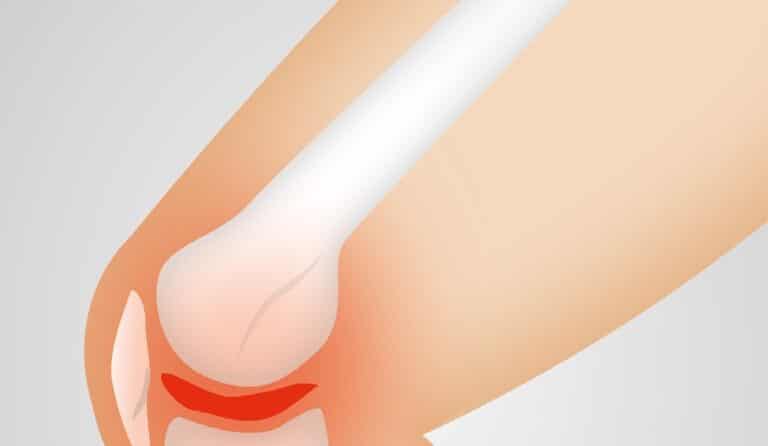
- Arthralgia and arthritis. Joint pain and inflammation of the joints mostly affect the hands and wrists.
- Skin rash. A “butterfly rash” appears on the face. It affects both the cheeks and the nose. There may also be other types of skin rashes, but the “butterfly rash” is the most characteristic.
- Sensitivity to sunlight. Symptoms get worse after sun exposure.
- Mouth ulcers. Small ulcers that form inside the mouth, causing burning and pain, as well as difficulty chewing.
- Alopecia. Hair loss, even significant, is among the symptoms of the disease.
- Lung inflammation. Lupus can cause breathing difficulties and chest pain.
- Kidney problems. The disease can damage the kidneys, leading to kidney failure in the most serious cases.
- Neurological disorders. The main manifestation is headache, but dizziness, seizures, and other neurological disorders also occur.
Diagnosis and treatment
Diagnosing lupus can be complex, because the symptoms can overlap with those of other diseases. The doctor will carry out a clinical evaluation, order specific blood tests, and may perform other tests, such as biopsies or imaging exams, to confirm the diagnosis. These tests can be done at the Nefrocenter laboratories or at the facilities of the group. Clinics and hospitals can perform tests capable of accurately diagnosing the presence of the autoimmune disease.
Treatments for lupus
Lupus treatment is personalized and depends on the severity of the disease. The doctor assesses which organs are involved before deciding on a treatment. In general, treatment aims to control inflammation, reduce symptoms, and prevent organ damage. For this reason, the most commonly used drugs are corticosteroids to reduce inflammation and antimalarial drugs, which are useful for controlling disease activity. Immunosuppressants may also be prescribed to the patient, which serve, as the name suggests, to suppress the immune system.
Systemic lupus erythematosus is an ancient disease
The term “lupus” comes from Latin and means “wolf.” The name was given because of the characteristic butterfly-wing-shaped erythema that often appears on patients’ faces, resembling the bites of a wolf. Although it was classified as an autoimmune disease in the 20th century, there is evidence of lupus-like conditions described in ancient medical texts. And despite years of research, the precise causes of lupus remain unknown. A complex interaction between genetic, environmental, and hormonal factors is suspected. Every person with lupus has a unique disease, with symptoms and severity that vary considerably. This is often compared to the butterfly effect: a small initial variation can lead to large differences in the final results.
There is also an ancient folk belief that associates lupus with the moon, perhaps because of the sensitivity some patients have to lunar cycles. Many people with lupus find relief from cold. Cold can reduce inflammation and ease some symptoms. There is no specific diet for lupus, but some studies suggest that an anti-inflammatory diet may help manage symptoms. In addition, managing stress through relaxation techniques can be helpful. Pregnancy, on the other hand, can affect disease activity, both positively and negatively.