Proteinuria
Proteinuria is a condition characterized by abnormal amounts of protein in the urine. What to know
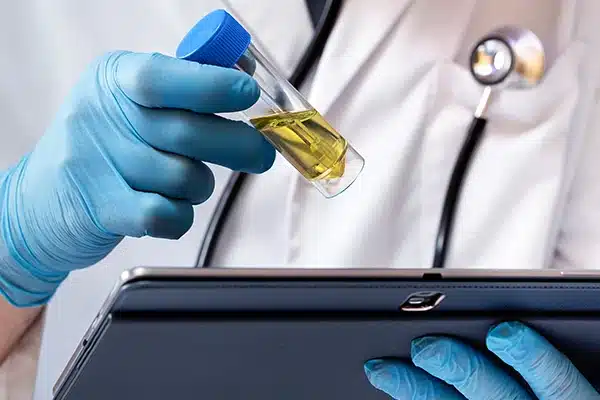
Proteinuria is a condition characterized by the presence of abnormal amounts of protein in the urine. Under normal conditions, the kidneys do an excellent job of filtering, keeping proteins in the blood and reabsorbing them if they happen to end up in the urine. When this process does not work properly, proteins “take the wrong path” and are found in excess in the urine. This is when the condition called proteinuria occurs.
What happens in the kidneys with proteinuria
The kidneys are complex organs responsible for several vital functions, including the filtration of the blood. Let us imagine them, then, as a two-level filtering system that filters through the glomeruli and the renal tubules. The Glomeruli are tiny capillaries that act as the first filter, keeping back proteins and other large substances. The Renal tubules then complete the filtering process, reabsorbing useful proteins and sending them back into the blood.
The causes of proteinuria
The causes can be different and of varying severity. Kidney stones are not among them. For this reason, at the first signs, it is essential to see a nephrologist. The specialists of the Nefrocenter group are experts in the treatment and care of kidney diseases and, in addition to the specialized centers, they also work at the Rome American Hospital in Roma. The causes of proteinuria can be divided into three different categories: glomerular, tubular and transient.
Glomerular causes
Glomerular causes include glomerulonephritis, nephrotic syndrome, diabetes and high blood pressure. What they are and how they affect the work of the kidneys:
- Glomerulonephritis: inflammation of the glomeruli, often caused by autoimmune reactions or infections.
- Nephrotic syndrome: characterized by massive proteinuria, edema and hypoalbuminemia.
- Diabetes mellitus: if not controlled, it can damage the glomeruli.
- High blood pressure: it can damage the blood vessels of the kidneys.
Tubular causes
They fall into two main categories: acute tubular damage and tubulointerstitial diseases.
- Acute tubular damage: caused by medications, toxins or infections.
- Tubulointerstitial diseases: a group of diseases that affect the tubules and the interstitial tissue of the kidneys.
Transient causes
Proteinuria can also occur transiently and without any damage to the kidneys. In fact, it can also be caused by particular conditions of our body.
- Fever
- Intense physical exercise
- Dehydration
Symptoms of proteinuria
In most cases, proteinuria has no obvious symptoms. It is often discovered by chance during a urine test. In some cases, the following may be present:
- Edema (swelling) in the hands, feet and ankles.
- Foamy urine
- Tiredness
- Headache
- Nausea and vomiting
Types
There are two different types of proteinuria. Microalbuminuria occurs when only a small amount of albumin (a specific protein) is present in the urine. By contrast, Macroproteinuria is characterized by the presence of a high amount of protein.
Tests to have
There are mainly two tests to check kidney function: urine tests and blood tests, which can be done in the Nefrocenter laboratories. If the nephrologist wants to investigate further, they may request additional tests such as a kidney ultrasound and a biopsy. As for the biopsy, at the Rome American Hospital you can have the procedure and receive accurate results in the shortest possible time. The basic tests to have are:
- Urine test: to quantify the proteinuria and identify the presence of other abnormalities.
- Blood test: to assess kidney function and the presence of other diseases.
Treatments for proteinuria
The treatment that the nephrologist recommends depends on the cause. If it is triggered by high blood pressure or diabetes, they will prescribe therapy for the underlying disease with antihypertensive medications. This should be combined with a low-sodium, low-protein diet.
The diet
The diet to follow is based on three main factors. The reduction of salt to lower blood pressure and edema, the reduction of protein to reduce the workload of the kidneys and the right intake of calories and nutrients to maintain good health. These should be combined with appropriate lifestyle habits, with regular physical activity, control of body weight and giving up smoking. It is also essential to drink the right amount of water for your kidneys.