Where the kidneys are and what they do
Where are the kidneys and what do they do? The kidneys are two bean-shaped organs located in the lower part of the back.

Where the kidneys are and what they do. The kidneys are two bean-shaped organs located in the lower part of the back. On either side of the spine. They are about the size of a fist. They have a very important role: the kidneys filter waste from the blood, regulate the balance of fluids and electrolytes in the body, produce hormones that help control blood pressure and the production of red blood cells, and regulate the level of calcium in the body. Their proper functioning is essential for overall health.
Where the kidneys are and how they filter the blood
The kidneys, then, are located in the lower part of the back: now that we know where they are, we need to understand what they do. They filter the blood through a process called glomerular filtration. Blood rich in oxygen and nutrients enters the kidneys through the renal arteries. Then the blood flows through the glomeruli, which are tiny capillaries grouped into units called nephrons. The glomeruli are semipermeable, which means that they allow water, small molecules and waste substances to pass through. At the same time, they hold back blood cells, proteins and larger molecules.
The role of Bowman’s capsule and the renal tubules
The filtrate that passes through the glomeruli is collected in Bowman’s capsule, which surrounds each glomerulus. It then passes through the renal tubules, where reabsorption and secretion take place. Nutrients, water and electrolytes that are useful to the body are reabsorbed from the filtrate and returned to the blood. Waste substances and excess water, on the other hand, are secreted from the blood into the filtrate. This, commonly called urine, leaves the kidneys through the ureters and flows toward the bladder. Urine, in fact, collects in the bladder until it is eliminated from the body through the urethra. The kidneys filter about 180 liters of blood per day, producing about 2 liters of urine. The process of glomerular filtration is essential for maintaining the balance of fluids and electrolytes in the body, eliminating waste substances and regulating blood pressure.
Regulation mechanisms
The kidneys regulate the reabsorption and secretion of fluids and electrolytes according to the needs of the body. Several hormones, including antidiuretic hormone (ADH), aldosterone and angiotensin II, help regulate the reabsorption and secretion of fluids and electrolytes. ADH increases the reabsorption of water in the renal tubules, reducing the amount of urine produced. Aldosterone, on the other hand, increases the reabsorption of sodium and the secretion of potassium in the renal tubules. Angiotensin II increases the reabsorption of sodium and water in the renal tubules.
Imbalances of fluids and electrolytes
An imbalance of fluids and electrolytes can cause various health problems, including:
- Dehydration
- Overhydration
- Hyponatremia (low sodium level in the blood)
- Hypernatremia (high sodium level in the blood)
- Hypokalemia (low potassium level in the blood)
- Hyperkalemia (high potassium level in the blood)
Hormones produced by the kidneys: erythropoietin (EPO):
EPO is produced by the interstitial cells of the kidney. It stimulates the bone marrow to produce red blood cells. These carry oxygen to the body’s tissues. EPO also helps regulate the number of red blood cells in the blood. If the number of red blood cells is low, the kidneys produce more EPO to stimulate the production of new red blood cells. Conversely, if the number of red blood cells is high, the kidneys produce less EPO to inhibit the production of new red blood cells.
Hormones produced by the kidneys: renin
Renin is produced by the juxtaglomerular cells of the afferent arteriole of the kidney. It converts angiotensinogen into angiotensin I. This, in turn, is converted into angiotensin II by the angiotensin-converting enzyme (ACE). Angiotensin II is a powerful vasoconstrictor that increases blood pressure. It also stimulates the production of aldosterone, which increases the reabsorption of sodium and water in the renal tubules. The reabsorption of sodium and water increases blood volume and blood pressure.
Other hormones
Among the other hormones produced by the kidneys is calcitriol, an active form of vitamin D that helps regulate the metabolism of calcium and phosphorus. In addition, prostaglandin hormones are produced: they help regulate blood pressure and renal blood flow.
Details on the renal arteries
After learning where the kidneys are and what they do, it is important to know about the renal arteries. They originate from the abdominal aorta, just below the superior mesenteric artery. There are two renal arteries, one for each kidney. The right renal artery is generally slightly larger than the left renal artery. The average diameter of the renal artery is about 5 mm.
The renal artery branches into several segmental arteries, which supply the different segments of the kidney. The segmental arteries branch further into interlobular arteries and arcuate arteries, which supply the renal cortex. The interlobular arteries, in turn, branch into afferent arterioles, which carry blood to the glomeruli. Their function is to supply oxygenated blood and nutrients to the kidneys.
Diseases affecting the renal arteries
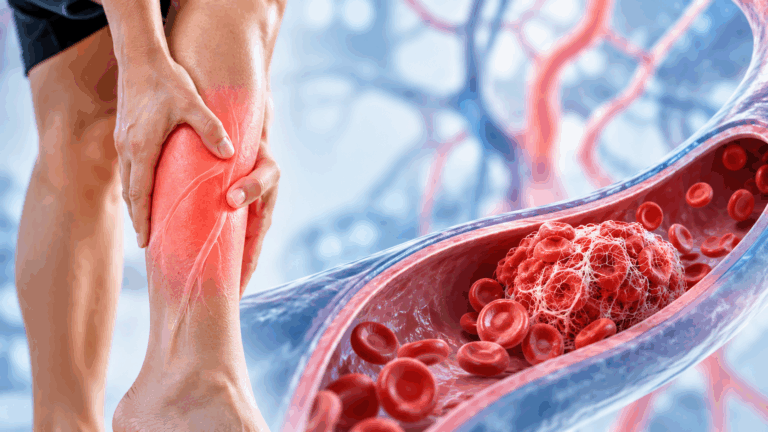
Several diseases can affect the renal arteries. These include stenosis of the renal artery, characterized by a narrowing of the renal artery that can reduce blood flow to the kidney. Aneurysm, that is, a pathological dilation of the renal artery. And thrombosis, caused by the formation of a blood clot inside the renal artery. Knowing where the kidneys are and what they do is also important for people who may have kidney stones, in order to recognize the pain. The commitment of the NefroCenter Group in its centers, including the Rome American Hospital, is a daily one. In addition, on World Kidney Day, the Group is engaged with its doctors, including the nephrologists, in public squares for prevention.