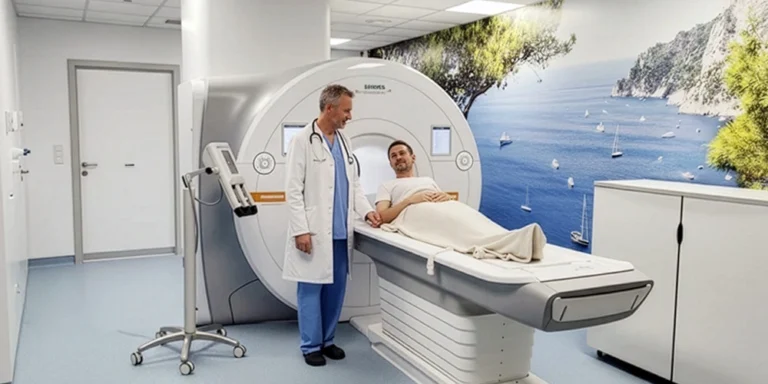
Total body CT with anesthesiologists always present
The Total Body digital multislice CT is extremely high definition. At Nefrocenter the machine can reconstruct very small body sections
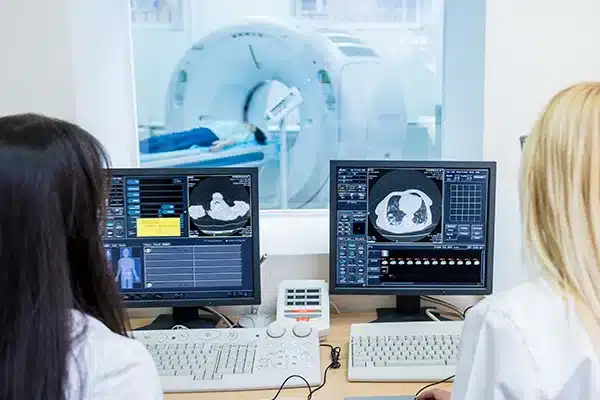
Total body CT with anesthesiologists always present. The 128-slice digital multislice Total Body CT is an extremely high-definition diagnostic tool. The Nefrocenter group uses a machine that can reconstruct very small sections of the body. As a result, it provides an accurate exam that can assess lesions or abnormalities smaller than a millimeter. In addition, an anesthesiologist is always present to intervene in case of an allergic reaction to the injection of the contrast medium.
A multislice CT is usually requested for the patient as a second-level exam, that is, after an X-ray or an ultrasound has already been done. The goal is to obtain maximum definition of the finding from the first-level exam, which has probably highlighted some abnormalities. A CT can be requested directly by the doctor after a specialist visit.
When a total body CT is performed
The digital multislice CT has its main field of application in oncological exams. Its definition makes it possible to highlight both primary tumors and secondary localizations. This means that it is essential for finding secondary tumors whose primary site is unknown.
The total body CT is not important only for diagnosing tumors. The use of CT is indispensable for finding lesions smaller than a millimeter, since Nefrocenter has equipment with more than 128 slices. CORO CT (CARDIAC CT) exams, thanks to retrospective acquisition and the use of very high-quality software, allow the coronary arteries and the heart chambers to be explored. This allows a very precise analysis of the patency and the condition of the vessel walls.
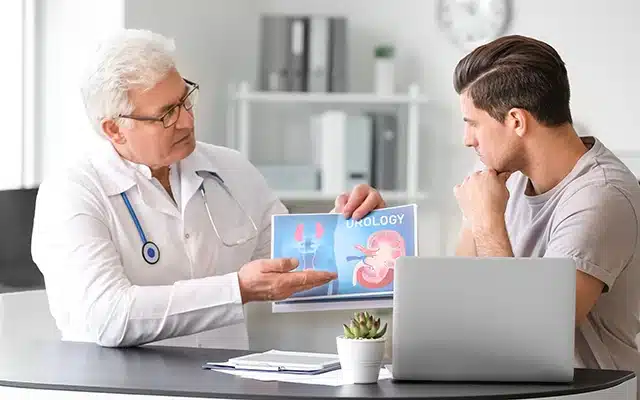
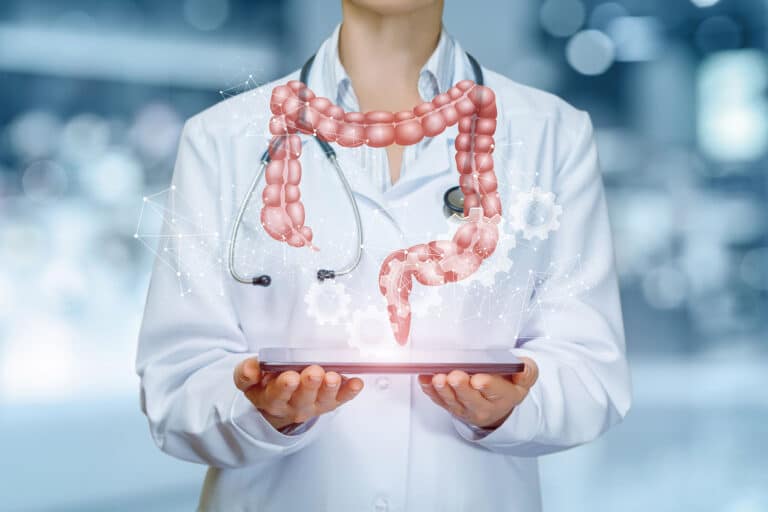
Further areas of use involve the urinary system, with a CT urography requested by the doctor. The machine also performs virtual colon CT, which examines the large intestine without the use of a flexible optical probe, sparing the patient an invasive exam.
Finally, a very important area is the use of multislice CT in emergency medicine. The machine makes it possible to carry out an immediate exam in case of hemorrhage, cerebral ischemia, thoracic or abdominal aneurysms and pulmonary embolism. It is only thanks to CT that doctors decide whether or not to intervene urgently with surgery.
Preparation and the contrast medium for CT
A digital multislice CT does not always require the use of the iodine-based contrast medium. If the solution is injected or administered to the patient, it serves to assess blood vessels, arteries and lymph nodes in depth. It may also be decisive in making an initial distinction between benign and malignant neoplasms. The CT contrast medium can cause a feeling of warmth for the patient. In a small number of cases it can cause nausea or vomiting, and for this reason fasting is recommended for the 6 hours before the exam. CT is not prohibited for children, who can undergo it, but its use is limited to cases of necessity in order to avoid radiation. Diagnostic exams on minors can also be carried out with Magnetic Resonance Imaging. If they suffer from claustrophobia, or show anxiety about the exam, Open MRI is also available at Nefrocenter Diagnostica. Nefrocenter provides a team of anesthesiologists who are always present during exams with contrast medium, to prevent any allergic reaction.