Pneumonia: symptoms and tests
Pneumonia is an acute inflammation of the lungs. The causes can vary. Children and older adults are at risk.
Pneumonia is an acute inflammation of the lungs. The causes can be of different kinds. Pneumonia can be caused by a bacterial, viral or fungal infection. It can affect people of all ages, but it can be very dangerous in older adults, in children and in people with a weak immune response due to pre-existing conditions. Pneumonia can lead to serious complications such as respiratory failure, which is why influenza and pneumococcal vaccination is crucial for prevention, especially in people at risk.
Pneumonia: the symptoms
Pneumonia can show up with a number of different symptoms, which may also occur together and further complicate the patient’s clinical picture. The set of symptoms the disease causes does not depend on the age of the person affected, although in older adults confusion may be added, and this should not be mistaken for the confusion that usually appears during Long Covid.
- High fever and chills;
- Persistent cough, often with sputum;
- Chest pain when breathing deeply;
- Fatigue and general weakness;
- Fast, frequent breathing;
- Confusion, especially in older adults.
Risk factors
Some groups of people are more exposed to the risk of getting pneumonia. These are children under 2 years of age and older adults over 65. In addition, other pre-existing conditions increase the risk, including diabetes, heart disease and lung disease. People with a weakened immune system should also be careful. Smokers are at high risk, as are those exposed to secondhand smoke. According to statistics, the percentage of people affected by pneumonia is quite high among hospitalized patients and in nursing homes.
Watch out for diabetes
Since diabetes is one of the risk factors for pneumonia, it is important to have preventive diabetes checkups, because the respiratory disease is one of its complications. Every year, on World Diabetes Day, which falls on November 14, the Nefrocenter Group offers a diabetes visit and a blood glucose test free of charge, both in the squares of Campania and at Rome American Hospital in Rome.
Diagnosis and necessary tests
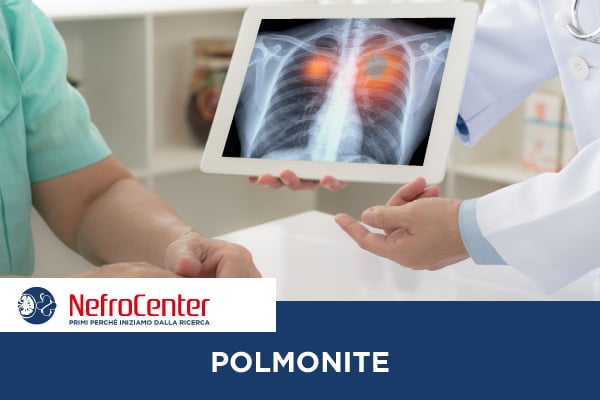
To assess whether pneumonia is present, the doctor may request blood tests to check the number of white blood cells in the body. In case of infection, these rise above the average. A chest X-ray may also be requested and, in the most serious cases, it can even be done at home when the patient is unable to move. And to find out what caused the pneumonia and identify the right treatment, the doctor may also request a test of the respiratory secretions to determine which pathogen caused the pneumonia.
Treatment and care
Depending on the cause of the pneumonia, determined by the diagnostic and laboratory tests the doctor requests, the best therapy is chosen. Rest and hydration are essential when you have this respiratory disease, as they allow the lungs to recover from the infection. If the pneumonia is bacterial, antibiotics may be needed to treat it. If it is viral, the doctor will prescribe antiviral therapy, and if it is fungal, antifungal drugs. This category includes:
- Amphotericin B
- Caspofungin
- Flucytosine
- Fluconazole
- Itraconazole
- Ketoconazole
- Miconazole
- Posaconazole
- Terbinafine
With prompt treatment, most people recover completely after getting pneumonia.
World Pneumonia Day
World Pneumonia Day was established in 2009 by UNICEF and the World Health Organization. Every year, 450,000 people are affected worldwide, particularly in developing countries. It remains one of the leading causes of death, about 4 million deaths every year, representing 7% of average global mortality. Those most affected are adults over 75 and children under 5.
Read also: Early-stage pneumonia: how to recognize it