High blood sugar: Nefrocenter’s advice on diet and remedies
Nefrocenter's advice for dealing with high blood sugar. Causes, symptoms, immediate remedies, and a balanced diet

Nefrocenter’s advice for dealing with high blood sugar. Causes, symptoms, immediate remedies, and a balanced diet
High blood sugar means an increase in blood glucose levels above the standard values. In practice, it concerns the concentration of sugars. It is called hyperglycemia and should not be confused with diabetes, although it is a characteristic feature of diabetes mellitus. The measurement is taken 8 hours after the last meal.
Normal fasting values are between 70 and 100 milligrams per deciliter of blood; after meals, the value above which the alarm is raised is 200 milligrams per deciliter. Hyperglycemia can also occur in people who do not have diabetes but who have had a stroke or a heart attack.
The causes of hyperglycemia
High blood sugar can be due to various factors that cause a drop in insulin production. This hormone is produced by the pancreas and regulates blood sugar levels. Temporary hyperglycemia can occur because of stress, the aftermath of heart attacks or strokes, and kidney disease. Further causes may involve taking particular types of medications: steroids, adrenaline, or diuretics. Finally, hyperglycemia can also stem from an unhealthy diet, too little physical exercise, and dehydration.
As for diet, eating too many carbohydrates and sugars could raise blood sugar values that the insulin produced by the pancreas is unable to control. It is important to drink at least two liters of water a day to make up for excessive fluid loss; water therefore helps to clear glucose from the blood.
The symptoms
It is not easy to recognize high blood sugar right away, because the main symptoms are common and are attributed to other causes. They include increased urination (polyuria), pain in the abdominal area, a feeling of tiredness, and increased thirst (polydipsia).
These symptoms can be temporary and result from large meals rich in carbohydrates and sugars. When glucose levels rise more frequently, however, the type of symptoms also changes, some of them of a neurological nature:
- Difficulty concentrating
- Frequent mood swings
- Dark patches on the skin
- Slow wound healing
- Sexual dysfunction
- Dry skin
Does high blood sugar always mean diabetes?
Hyperglycemia does not always lead to diabetes, because in healthy people high values rebalance within a few hours. Diabetes is diagnosed instead when the fasting blood sugar value exceeds the threshold of 126 mg/dL. The measurement must also be taken in calm conditions and repeated with a new test one week after the first.
Hyperglycemia: what to do to lower it
Remedies for high blood sugar have to do with lifestyle. By keeping a healthy diet and combining it with proper, ongoing physical activity, you can counter the rise in blood glucose values.
As for physical activity, even half an hour of brisk walking a day can help rebalance values. Keep in mind that you need to be consistent and make sure not to lead a sedentary life. This applies in particular to people who are borderline between hyperglycemia and diabetes.
Regular sports activity is important for reducing cardiovascular risk factors. It also reduces insulin resistance much more effectively than common drug therapies.
The sports most often recommended – for people who are, moreover, used to regular physical activity – are aerobic ones. Gymnastics, running, cycling, and swimming are the most common among those most recommended.
What to eat
It might seem like a paradox, but a dietary remedy for hyperglycemia is to increase the number of daily meals while controlling the glycemic load. The recommendations call for five or even six meals a day: breakfast, a mid-morning snack, lunch, an afternoon snack, dinner, and possibly a post-dinner snack. Among these, breakfast, lunch, and dinner contain the largest percentages of the carbohydrates eaten during the meal.
The main recommendation is not to have large meals. Every meal should include carbohydrates, vitamins and minerals, proteins, and fats in moderate amounts. Choose foods with a low glycemic index, and whole-grain cereals, pasta, and bread.
Foods with added sugars such as packaged snack cakes, sodas, and fruit juices must be completely eliminated. Alcoholic drinks such as beer, cocktails, and aperitifs should also be eliminated. Red wine in moderate amounts supports a balanced glycemic load; excess, on the other hand, is highly harmful. It is likewise advisable to avoid high-calorie foods or fast food.
The diet
A balanced diet to avoid high blood sugar must minimize the foods that can raise its values. It is therefore advisable to avoid cakes, jams, honey, potatoes, corn flakes, and white rice. Medical advice includes limiting sweets and red meat (once a week), as well as the fats found in meat and cold cuts. Cheeses and excessive condiments are also discouraged.
Among the foods that lower blood sugar values are legumes, chicken breast, radicchio, fennel, and cod. Vegetables, oily fish, and fruit that is not very sweet are therefore very present in the diets recommended by specialists.
The recommended breakfast against high blood sugar
A breakfast that helps keep blood sugar low contains none of the products already listed above, starting with fruit juices, cakes, cookies, and jam. Breakfast remains the main meal of the day, but nutrients still need to be balanced.
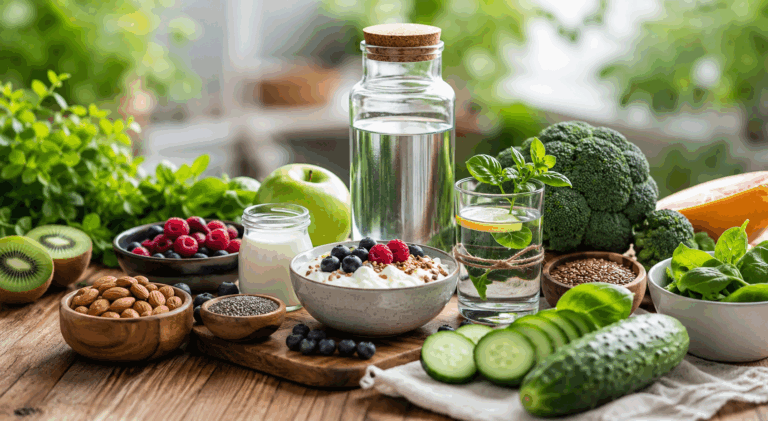
Therefore, skim milk or low-fat yogurt and whole-grain cereals are recommended. Other products that can be eaten at breakfast are fresh raspberries, rye bread, citrus juice, or unsweetened lemon tea. As for fruit, a very important distinction must be made. Some fruits have a high glycemic index and should therefore be eliminated from a diet against high blood sugar:
- Bananas
- Figs
- Grapes
- Persimmons
Citrus fruits, berries, apples, pears, kiwis, strawberries, and peaches are instead recommended.
Read also: High blood sugar: the 10 signs your body gives · High glucose: how to recognize it and what to do