Interstitial pneumonia: what it is, causes, symptoms, tests and treatments
Interstitial pneumonia is so called because it is characterized by inflammation of the lung interstitium.
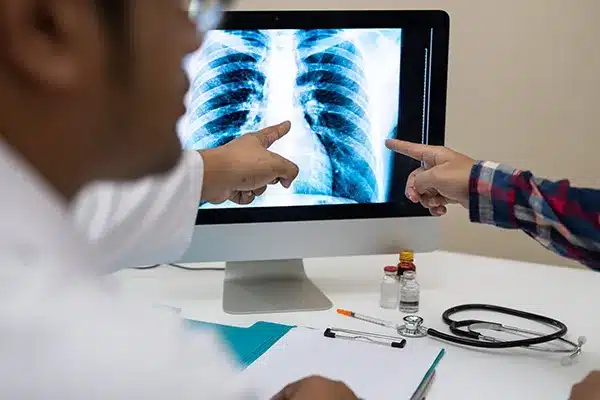
Interstitial pneumonia is a type of pneumonia. It is so called because it is characterized by inflammation of the lung interstitium. The interstitium is an anatomical space inside the lung that includes connective tissue, blood vessels, lymphatic vessels and other structures that support the lung. It is crucial for lung function and plays a fundamental role in gas exchange in the body. The disease causes inflammation and scarring of the alveoli, the small air sacs in our lungs. These allow the exchange of oxygen and carbon dioxide. When the alveoli are damaged, they can become less efficient at exchanging gases, which can lead to breathing difficulties.
Causes of interstitial pneumonia
The causes can differ widely:
- Infections. The disease can be caused by a variety of infections, including viruses, bacteria, fungi and parasites.
- Autoimmune diseases. It can also arise as a complication of certain autoimmune diseases, among them sarcoidosis, lupus and rheumatoid arthritis.
- Drugs. Some drugs, such as chemotherapy drugs and antirheumatic drugs, can cause interstitial pneumonia.
- Exposure to chemical substances. Exposure to toxic chemical substances, such as asbestos, benzene and lead, can increase the risk of interstitial pneumonia.
In some cases, the cause of interstitial pneumonia cannot be identified.
Prevention
There is no sure way to prevent the condition. However, some preventive measures can reduce the risk of developing the disease, including:
- Avoiding exposure to toxic chemical substances.
- Getting vaccinated against infections that can cause interstitial pneumonia.
- Not smoking.
Symptoms of interstitial pneumonia
Symptoms can vary from person to person. They can also vary depending on the specific form of interstitial pneumonia, but there are some common signs. Here are some typical symptoms:
- Dyspnea. Difficulty breathing is one of the main symptoms of interstitial pneumonia. Patients may experience a progressive worsening of their breathing capacity over time.
- Persistent cough. A chronic cough is common in patients with interstitial pneumonia. The cough may be dry or accompanied by the production of phlegm.
- Fatigue. Fatigue is often present because of difficulty breathing and reduced lung capacity.
- Chest pain. Some patients may experience pain or discomfort in the chest area. This symptom can vary in intensity.
- Weight loss. Interstitial pneumonia can be associated with unintentional weight loss, partly due to breathing discomfort that can affect appetite and food intake.
- Drumstick-shaped nails (clubbing). In some forms of the disease, the fingers may show a thickening of the nails and a change in shape, known as clubbing.
- Fever. The presence of fever may indicate lung inflammation. However, not all patients with interstitial pneumonia develop a fever.
- Bloody sputum. In some cases it can cause the production of bloody sputum or hemoptysis.
- Respiratory failure. In more advanced cases, the condition can lead to respiratory failure, with severe difficulty breathing.
- Cyanosis. Cyanosis, a bluish discoloration of the skin and mucous membranes, can occur when there is a lack of oxygen in the blood.
This complex condition requires a multidisciplinary approach to management, often involving pulmonologists, rheumatologists and other specialists. Anyone who suspects they have symptoms should seek prompt medical attention for an accurate diagnosis and an appropriate treatment plan. Rome American Hospital specializes in the treatment of this disease.
Tests for interstitial pneumonia
Diagnosis is made on the basis of symptoms, the patient’s medical history and diagnostic tests that can be used to diagnose the disease. They include:
- Chest X-ray. A chest X-ray can show a thickening or opacity of the alveoli.
- Computed tomography (CT). A CT scan can provide more detailed images of the lungs than a chest X-ray.
- Bronchoalveolar lavage (BAL). BAL is a test used to collect a sample of fluid from the lungs.
- Lung biopsy. A lung biopsy is a test used to take a sample of lung tissue for microscopic examination.
Treatments
Treatment of interstitial pneumonia depends on the underlying cause. In some cases, treatment may include:
- Medications. The drugs used to treat the disease include corticosteroids, immunosuppressants and anti-inflammatories.
- Oxygen therapy. Oxygen therapy may be needed to help patients with severe breathing difficulty.
- Lung transplant. A lung transplant may be an option for patients with severe interstitial pneumonia who do not respond to treatment.
It is essential that the treatments needed to bring about recovery from the disease be carried out by a multidisciplinary team such as the one at Rome American Hospital of the Nefrocenter group.