COPD: how to treat chronic obstructive pulmonary disease
COPD, or chronic obstructive pulmonary disease, is a chronic lung condition characterized by airway obstruction.
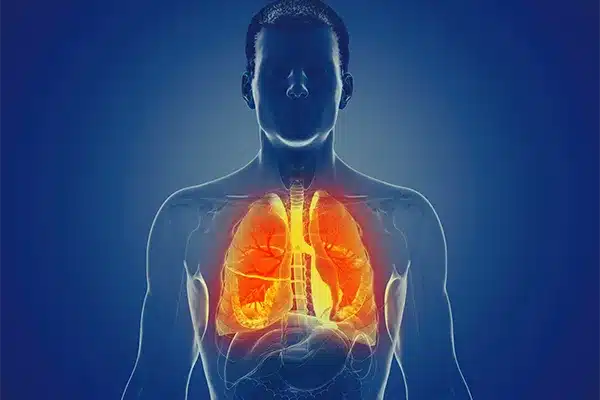
COPD, or chronic obstructive pulmonary disease, is a chronic lung condition characterized by airway obstruction. This condition can gradually worsen over time and is often associated with exposure to certain lung irritants, including harmful gases and particles such as tobacco smoke. It is a long-term condition and is not completely reversible. It includes chronic bronchitis, pulmonary emphysema and chronic bronchial asthma.
The causes of COPD
The main cause of COPD is prolonged exposure to lung irritants, usually tobacco smoke. Other causes may include exposure to harmful chemicals in the workplace, air pollution and a history of recurrent lung infections. The patients most affected are those who have smoked at least one pack of cigarettes a day over the past 20 years.
Smoking, the great enemy
In 80% of cases, COPD is caused by cigarette smoking. In patients who quit smoking tobacco, life expectancy after diagnosis is longer. Children who breathe secondhand smoke also count as smokers and may develop problems. The strategy for helping a patient quit smoking has 5 steps. Ask (ask whether the patient smokes). Advise (advise the patient to quit). Assess (identify the smoker who is willing to quit). Assist (help the patient stop smoking for good). Arrange (schedule a follow-up visit for monitoring). Drug therapy, such as extended-release bupropion and varenicline, may also be offered to the smoker.
Symptoms
- Dyspnea: Difficulty breathing, especially during physical exercise.
- Chronic cough: Persistent cough, often accompanied by phlegm production. The cough is particularly noticeable in the morning. Depending on the severity of the disease, the sputum becomes more purulent (pus forms) and increases in volume, and its color may change. The sputum test can be done at the NefrocenterLab laboratories or at the Rome American Hospital of the Nefrocenter Group.
- Wheezing: High-pitched noises or whistling sounds when breathing.
- Fatigue: General tiredness and a reduced ability to carry out physical activities.
The disease may also come with comorbidities. One of these is sleep apnea, which also occurs in patients who are not obese. During REM sleep, hypercapnia and hypoxemia may occur. In addition, the patient may lose weight. This is because chronic inflammation of the lungs makes the body use up more energy. Symptoms appear around the age of 50.
The most serious symptoms of COPD according to the Italian Ministry of Health guidelines
The signs of greater severity of the disease are
- dyspnea at rest;
- a respiratory rate >25 breaths per minute;
- a heart rate >110 beats per minute;
- use of the accessory respiratory muscles;
- paradoxical movements of the chest wall;
- worsening or onset of central cyanosis
- development of peripheral edema;
- hemodynamic instability;
- signs of right-sided heart failure;
- an altered level of alertness.
In these cases, the main diagnostic tests are arterial blood gas analysis (ABG) in clinically severe forms and a chest X-ray in two views, to identify possible infectious triggers.
Diagnosis
The diagnosis of COPD is based on symptoms, medical history and lung function tests. Spirometry tests are commonly used to assess airway obstruction. However, a chest X-ray is important because it identifies the disease with certainty, along with how it evolves over time. The evaluation of the condition also includes measuring oxygen saturation. In a patient with chronic obstructive pulmonary disease, the ideal oxygen saturation is between 88% and 92%. The SpO2 level, that is, the oxygen in the blood, must not exceed 98%, because there is a risk that the patient may develop hypercapnia. This is caused by poor alveolar ventilation, which leads to an excessive amount of carbon dioxide. A positive salbutamol (albuterol) reversibility test (salbutamol is an inhaled bronchodilator) distinguishes patients with bronchial asthma from those with chronic bronchitis and emphysema.
Stages of COPD
The disease is usually classified into stages according to its severity. These stages help guide the treatment approach and assess how the condition is progressing.
- Stage 1. Mild; symptoms are mild too.
- Stage 2. Moderate. The cough is stronger, and so is the production of mucus and sputum.
- Stage 3. Severe. The patient’s life is affected: persistent cough and phlegm are joined by shortness of breath and dyspnea.
- Stage 4. Very severe. Breathing is difficult even at rest. Blood oxygen levels are low and oxygen therapy is needed. However, this solution is temporary, because flare-ups are frequent and increasingly serious. Tachypnea, tachycardia, use of the accessory respiratory muscles, cyanosis and uncoordinated chest wall movement or paradoxical movement of the abdominal wall during inspiration may also occur.
Many other clinical and functional factors help define the severity of COPD, including
- The degree of dyspnea (which can be classified using the MRC scale);
- Lung hyperinflation (measurable with spirometry);
- The degree of impaired gas exchange at rest and during exertion (measurable with arterial blood gas analysis and/or O2 saturation at rest and during exertion);
- The extent of exercise limitation (assessable with simple tests such as the 6-minute walk test);
- Nutritional status (expressed in particular by BMI).
Treatments for COPD
Smoking cessation: Quitting tobacco smoking is essential to slow the progression of COPD.
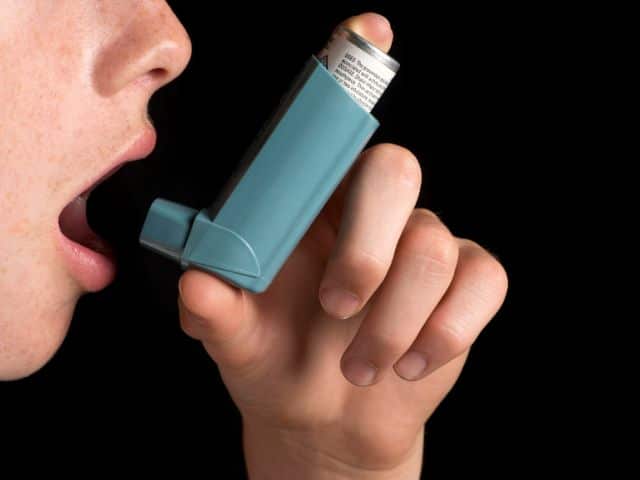
Bronchodilator drugs: Used to open the airways and improve airflow. In stages 1, 2 and 3, short-acting ones may be enough. In stages 2, 3 and 4, the patient needs long-acting bronchodilators and rehabilitation. For stages 3 and 4, inhaled glucocorticoids are needed. At stage 4, the patient must be treated with oxygen therapy.
Anti-inflammatory therapy: Some patients may benefit from corticosteroids to reduce inflammation.
Rehabilitation: Pulmonary rehabilitation can improve lung function and quality of life. In fact, the PRR (Respiratory Rehabilitation Plan) reduces symptoms such as dyspnea and improves exercise tolerance and quality of life. There are no restrictions on patient participation, other than the patient’s unwillingness to give up cigarette smoking and take part in the exercises.
Oxygen therapy: In severe cases, oxygen therapy may be necessary to improve the oxygenation of the blood.
Prevention
The main preventive measure is to avoid exposure to risk factors, in particular tobacco smoke. Flu and pneumococcal vaccination may be recommended to reduce the risk of respiratory infections. The management of COPD is multidisciplinary and requires a personalized approach. Consulting a doctor is essential for an accurate diagnosis and an appropriate treatment plan. COPD is a chronic condition, but with the right strategies it is possible to improve patients’ quality of life. For example, physical activity should not be given up, even in the presence of shortness of breath. Worsening physical condition, in fact, can also be associated with the disease getting worse.