High or low creatinine: what to do
Creatinine is a key indicator of kidney function. It is considered an important diagnostic parameter.
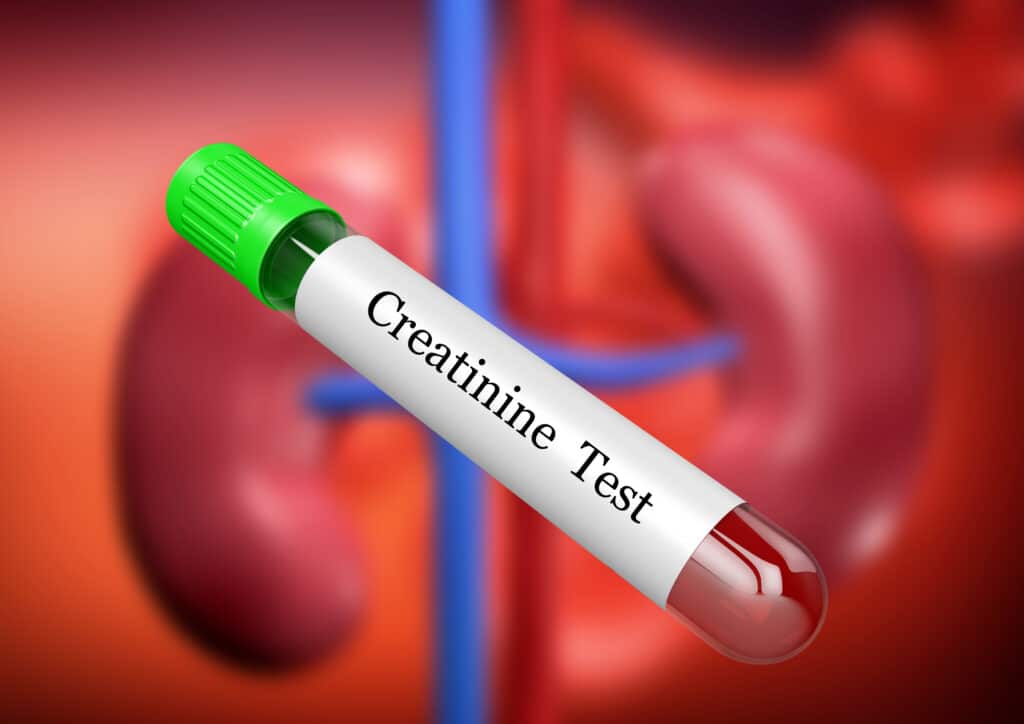
Creatinine is a key indicator of kidney function. It is considered an important diagnostic parameter. Creatinine is, in essence, a waste product derived from the breakdown of creatine, a substance involved in the production of muscle energy. It is filtered by the kidneys and excreted in the urine. Creatinine levels in the blood, in fact, provide crucial information about kidney function. Keeping levels within the normal range is crucial for kidney health. Following a healthy lifestyle, including nutritious foods in the diet and promptly treating underlying medical conditions are fundamental steps. The optimal management of levels and the maintenance of kidney health over the long term is therefore an important sign of well-being.
High creatinine: symptoms
High levels may indicate kidney problems. Associated symptoms include fatigue, swelling in the ankles, difficulty concentrating, and increased urinary frequency. High creatinine can also be linked to high blood pressure and heart problems.
Low creatinine: symptoms
Low creatinine can be caused by a decrease in muscle mass or by malnutrition problems. Symptoms may include tiredness, muscle weakness and cramps. In any case, they should be evaluated by a specialist.
Treatment
Treatment for high or low creatinine levels depends on the underlying causes. When it is high, it is essential to address the underlying kidney conditions. This is often done through medications to control blood pressure and lifestyle changes. For low creatinine, an appropriate increase in protein intake and an exercise program to build muscle mass may be necessary.
Regulating creatinine levels
Maintaining balanced levels is essential for kidney health. Making sure to stay well hydrated and follow a balanced, nutrient-rich diet is one of the most important things to do. Regular physical exercise can also help maintain muscle mass and kidney function.
Recommended tests
Specific blood tests are performed to measure creatinine levels in the blood.
- Serum creatinine test. The test measures the amount present in the blood serum. Results are expressed in milligrams per deciliter (mg/dL) or micromoles per liter (µmol/L), depending on the laboratory’s units of measurement.
- Creatinine clearance. It involves collecting urine over a certain period of time, usually 24 hours, and a blood sample. Creatinine is measured in both the urine and the blood in order to calculate creatinine clearance, which provides an estimate of the rate at which the kidneys filter creatinine out of the blood.
The evaluation of the tests that can be done at the NefrocenterLab laboratories or at the Rome American Hospital of the Nefrocenter Group must be carried out by a specialist. You can contact the group’s nephrology centers.
Recommended foods
To support kidney health, it is advisable to include foods such as fresh fruits and vegetables, fish rich in omega-3, nuts, seeds, and whole grains. These foods, in fact, provide antioxidants and nutrients that can support kidney function.
Foods to avoid
Limiting the consumption of foods high in sodium, added sugars, saturated fats and excess animal protein is recommended to maintain kidney health. Avoiding excessive consumption of sugary and alcoholic drinks is equally important.
Read also: Low creatinine: symptoms, causes and remedies