Shingles (Saint Anthony’s fire): everything you need to know
Shingles, known in Italy as Saint Anthony's fire or herpes zoster, is a viral infection. It causes a painful skin rash.
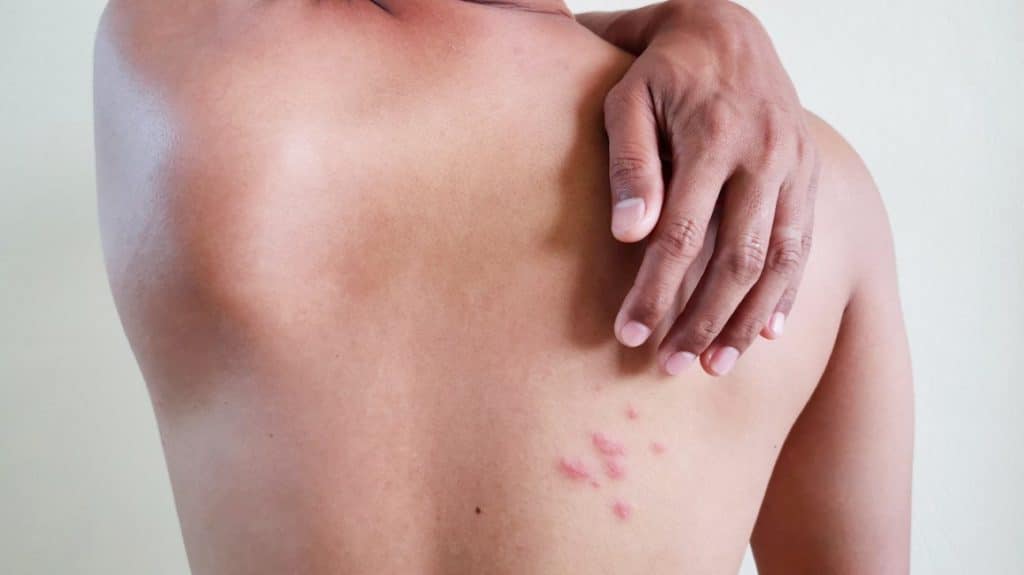
Shingles, known in Italy as Saint Anthony’s fire and medically as herpes zoster, is a viral infection. It causes a painful skin rash that can produce symptoms capable of affecting quality of life for months. The virus that affects people with shingles is the same one that causes chickenpox. The only difference is that it reactivates later in life, not necessarily in old age. Shingles can in fact affect anyone, but it is more common in adults over the age of 50 and in people with a weakened immune system. The latter are the people most at risk of getting the virus.
How you can get shingles
The virus can spread through contact between one person and another. Unlike chickenpox, which also spreads through the air. Shingles can be transmitted only when a healthy person comes into direct contact with the skin lesions of an infected person. Contagion occurs only while the skin rash is active and visible, not during the incubation phase of the virus. Contagion does not occur later either, when the blisters turn into scabs.
The causes: what shingles is due to
The VZV virus stays inactive in nerve tissue. After some time, however, it can reactivate after remaining in the cranial nerves or in the spinal cord without causing any symptoms or problems. Its reactivation triggers herpes zoster. The causes of shingles are not completely understood by doctors. What is certain, however, is that the cause is an infection with the varicella-zoster virus (VZV). After a person has had chickenpox, the virus remains dormant in the body. In some cases, however, the virus can reactivate and cause shingles.
The symptoms: how to tell you have shingles
Symptoms can vary from person to person, but they often include:
- A painful skin rash
- Itching
- Redness
- Inflammation
- Swelling
- Fever
- Headache
- Fatigue
- A general feeling of being unwell
If you have one or more of these symptoms, it is advisable to see a doctor. If blisters appear on the skin, see a dermatologist. To confirm that it is shingles, you can have a blood test to check for IgM antibodies, which can be done at the NefroCenter Laboratories.
Treatment
There is no definitive cure for shingles. However, there are treatments that can help reduce the symptoms and the duration of the illness. The most common treatments include:
- Antiviral medications
- Pain relievers
- Anti-inflammatory medications
- Wound care
If you think you may have shingles, it is important to see a doctor as soon as possible. The doctor will be able to diagnose the illness and prescribe the right treatment.
Prevention
There are some behaviors you can adopt to avoid infection. Herpes zoster can in fact be avoided by following these rules:
- Avoid contact with people who have the virus.
- Wash your hands frequently.
- Do not touch the blisters.
- Maintain good personal hygiene.
- Get the specific vaccine.
The shingles vaccine is recommended for people over the age of 60. People with a weakened immune system and people who have had the virus in the past can also get vaccinated. The vaccine can in fact help reduce the risk of developing shingles and make the illness less severe should it occur.
Can people with shingles go out?
People who have herpes zoster can safely leave the house. There are no restrictions from doctors, who do not see it as dangerous, unless other people come into physical contact with the blisters. In addition, there are no regulations requiring quarantine or other restrictive rules to protect public health. To follow all the updates, news and advice on your health, add www.nefrocenter.it to your favorite sites, or follow us on our social media channels Facebook, Instagram and TikTok.