World Food Day 2023
World Food Day 2023 is celebrated on October 16. "Water is life, water is food. Leave no one behind."
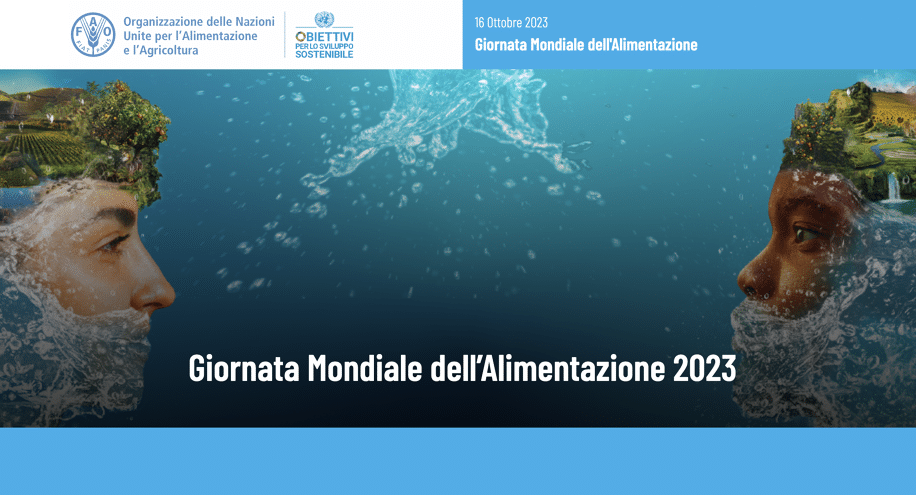
World Food Day 2023 is celebrated on October 16. This year’s theme is: “Water is life, water is food. Leave no one behind.” With the 2023 theme, World Food Day highlights the situation of 2.4 billion people in countries with water-related problems and 600 million who depend on aquatic food systems. They face problems such as pollution, ecosystem degradation, and the impacts of climate change. A special occasion to reflect on the importance of food supply. World Food Day, an annual event commemorating the anniversary of the FAO, is among the most widely celebrated United Nations days because it mobilizes global action to transform agrifood systems. This year, the event focuses on an element that is crucial to our survival: water. The NefroCenter Group, also through its research, has always placed great importance on nutrition.
World Food Day 2023: water
Water is one of the essential nutrients for our body. It plays a vital role in many physiological functions, including:
- Hydration. Water makes up most of our body and is essential for maintaining fluid balance. Proper hydration is crucial for health and overall well-being.
- Digestion. Water helps digest food and absorb nutrients. It also helps food move along the digestive tract.
- Thermoregulation. It regulates body temperature, helping prevent overheating during physical activity and on hot days.
What to know about the importance of water
The benefits of water, as well as its vital importance for the human body, are plain to see. World Food Day 2023, dedicated to water, aims to underline its importance.
- It makes up about 60% of body weight in the average adult.
- Dehydration can lead to symptoms such as fatigue, dizziness, dry mucous membranes, and a decline in cognitive and physical performance.
- It is essential for the proper functioning of the kidneys, which filter waste and excess fluid from the blood.
- It is a key component of skin health, helping to keep it hydrated and glowing.
The relationship between water and nutrition
It is important to drink enough water every day, but it should be kept in mind that a significant share of the water our body needs comes from the foods we eat. Fruit, vegetables, soups, and other foods contain water, thus contributing to our daily water needs.
World Food Day: sustainability
World Food Day also offers an opportunity to reflect on the sustainability of our water supply. Water supply worldwide is a complex issue involving several aspects, including access to drinking water, the availability of water resources, water quality, and the sustainable management of water resources. The United Nations Sustainable Development Goals (SDGs) include a specific goal (SDG 6) dedicated to water and sanitation. The goal aims to ensure access to drinking water and sanitation for all by 2030.
World leaders meet on World Food Day
This global effort seeks to improve the living conditions of millions of people who still struggle to get the drinking water they need. Starting on October 16, world leaders, experts, international financial institutions, public figures, the private sector, and young Indigenous activists will come together for a high-level celebration hosted by the FAO Director-General, QU Dongyu, followed by a full week of events, dialogue forums, and even workshops focused on youth, science, innovation, and investment at the WFF.
Drinking water for all
Access to drinking water is a fundamental human right, but unfortunately many people around the world do not enjoy this right. According to United Nations data, in 2021 about 29% of the world’s population did not have access to safe sources of drinking water. This is a significant challenge for public health, because drinking unsafe water is associated with serious waterborne diseases. Although the Earth is covered by water over about 71% of its surface, the availability of fresh water is limited. Many regions of the world face water scarcity because of factors such as geographic distribution, growing demand, pollution of water resources, and climate change. This puts a strain on the ability to meet the water needs of communities and agriculture.
Help from technology
In recent years, many technological innovations have been developed to address water-related challenges. These include seawater desalination, rainwater harvesting, and advanced water purification systems. These solutions help improve water supply in many areas, but they do not solve the problem. Addressing water supply issues requires large-scale action involving governments, international organizations, local communities, and individuals. Global cooperation is essential to ensure that water, a resource vital to life, is accessible to everyone, preserved for future generations, and used sustainably.