
World Children’s Day: NefroCenter on the front line for the rights of adolescents and children
NefroCenter on the front line for the rights of the youngest, on World Children's Day as well.
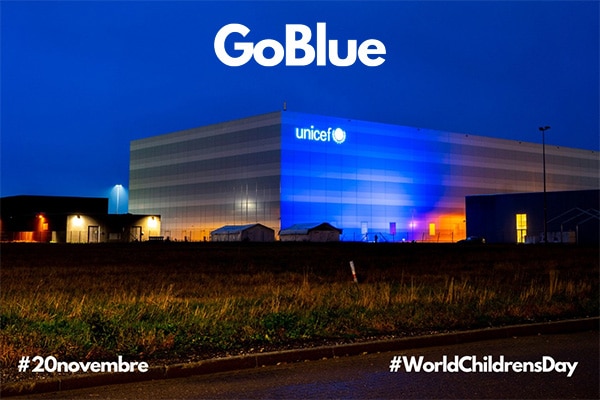
WORLD CHILDREN’S DAY, FOR THE RIGHTS OF ADOLESCENTS AND CHILDREN: NEFROCENTER ON THE FRONT LINE. NefroCenter has always been on the front line for the rights of the youngest. World Children’s Day, celebrated every year on November 20, is an occasion to offer help and support to children and young people who do not have the same opportunities as their peers.
Opportunities for everyone
For years the NefroCenter group has provided concrete help through many initiatives. It has long been working with the foundation of don Luigi Merola, ‘A voce d’’e creature, which operates in at-risk neighborhoods of Napoli. On several occasions, moreover, the NefroCenter group, the medical partner of Napoli, has enabled students from the Parco Verde school in Caivano to attend Napoli matches at the Maradona stadium, including the Champions League match against Union Berlin. The initiative was made possible by the Napoli Police Headquarters and by the commitment of Professor Eugenia Carfora of IC Morano.
World Children’s Day, for the Rights of Adolescents and Children
The rights of children and adolescents are recognized by the Convention on the Rights of the Child (CRC), adopted by the United Nations in 1989. The CRC is an international treaty that establishes the fundamental rights of children and adolescents, committing the signatory countries to respect and protect those rights.
The principles
The principles set out in the convention have been signed by countries all over the world.
- Right to Life and Development. Every child has the right to live and to develop fully, benefiting from opportunities and conditions that promote his or her well-being.
- Non-Discrimination. Children have the right to be treated equally, without any form of discrimination based on race, color, gender, language, religion, disability, sexual orientation, national origin or other grounds.
- Active Participation. Children have the right to express their opinions and to be heard in all matters that affect them, taking into account the child’s age and maturity.
- Protection from Violence and Abuse. Every child has the right to be protected from all forms of violence, abuse or exploitation.
- Right to education. Every child has the right to free, quality education, with the aim of fully developing his or her potential.
- Right to care and health. Every child has the right to a standard level of health and to adequate medical care.
- Protection from crime and detention. Children have the right to be treated with humanity and respect, and must be protected from torture, capital punishment, arbitrary detention and any other form of cruel or degrading treatment.
- Right to privacy. Children have the right to privacy and to the protection of personal information.
- Preservation of cultural identity. Children belonging to ethnic, indigenous or cultural minorities have the right to preserve their cultural and linguistic identity.
- Protection during emergencies. During conflicts, natural disasters or other emergencies, children have the right to receive humanitarian assistance and special protection.
Promoting health, another goal of World Children’s Day, for the Rights of Adolescents and Children
World Children’s Day, for the Rights of Adolescents and Children, is unmistakably an important initiative aimed at raising awareness of the importance of ensuring a safe, healthy and stimulating environment for young people around the world. The health of young people is at the center of this celebration. Promoting healthy lifestyles, access to quality medical care and support for mental health are fundamental pillars for ensuring the well-being of children and adolescents. Nutrition education is essential, with educational campaigns that promote proper eating and address the challenges of childhood obesity and access to nutritious food. The importance of mental health also deserves emphasis, in order to raise awareness of young people’s mental health and to promote psychological support resources and services. Ensuring vaccinations and access to drinking water are other points of the convention.
Investments around the world
World Children’s Day, for the Rights of Adolescents and Children, is also a call to respect, protect and promote the rights of children and adolescents. Investing in their health and well-being today means, among other things, building a healthier, fairer and more prosperous future for everyone.