What the human papillomavirus (HPV) is
What the papillomavirus is. The human papillomavirus, abbreviated HPV, is a group of well over 200 types of virus.
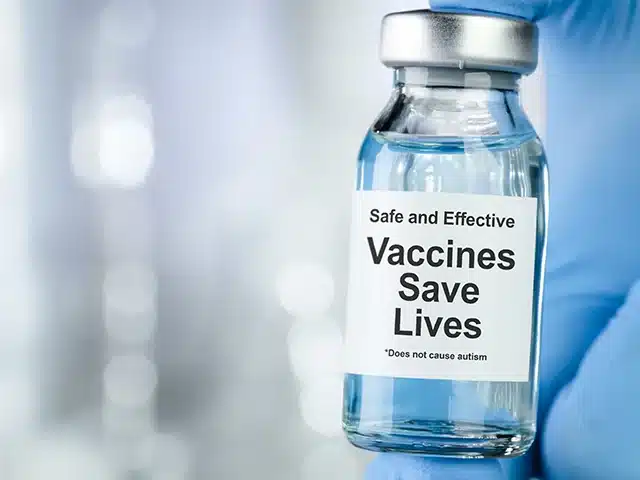
What the papillomavirus is. The human papillomavirus is labeled with the abbreviation HPV. It is a group of well over 200 types of virus. They are aggressive to the point that they infect the cells of the skin and mucous membranes. With this aggression they cause uncontrolled cell proliferation. The papillomavirus can lead to the formation of warts and, in some far more serious cases, even of tumors.
What the papillomavirus is and how it is transmitted
HPV is transmitted mainly through direct contact with infected skin or mucous membranes. The main cause of transmission is sexual intercourse. Some types of papillomavirus can cause common warts on the hands and feet: in this case, transmission occurs through direct contact with the lesions.
Types of papillomavirus
Unfortunately, which also makes diagnosis harder for the specialist, not all types of HPV are the same. They can be classified into two main categories: low-risk HPV and high-risk HPV.
- Low-risk HPV. They mainly cause genital warts (condylomas) and skin warts.
- High-risk HPV. They are associated with the development of cancers, in particular of the cervix, but also of the vagina, vulva, anus, penis and mouth.
Symptoms of the infection
HPV infection is often asymptomatic, that is, it shows no obvious symptoms. When present, the most common symptoms are those that appear as warts. In particular genital warts, which are small flesh-colored or grayish growths, shaped like a cauliflower. These can appear on the vulva, in the vagina, on the penis, around the anus or in the mouth of those affected by the papillomavirus. In addition, common warts, rough and hard, can also appear on the skin of the hands, feet or other parts of the body. They are visible to the naked eye.
Diagnosis of HPV
The diagnosis of HPV infection is based on three key points.
- Visual examination. The doctor can identify genital or skin warts and request further investigation.
- Pap test. For women, the Pap test can detect any abnormal cells in the cervix caused by HPV. It is a recurring test for women who regularly undergo prevention screening.
- A biopsy to assess the presence of a papillomavirus consists of taking a small tissue sample, which is then analyzed under the microscope, to confirm the presence of HPV and evaluate any cell changes.
Treatment of HPV
There is no specific cure for HPV infection, which is why it is important to know what the papillomavirus is. However, treatments can be aimed at removing the warts and preventing complications. Treatment options include removing the warts with cryotherapy (freezing), electrocoagulation, trichloroacetic acid or surgery. In addition, the specialist may also rely on immunomodulating therapy, which stimulates the immune system, prompting it to fight the infection.
Prevention of the papillomavirus
Preventing HPV infection is essential. The main preventive measures are:
- HPV vaccine. The HPV vaccine is highly effective in preventing HPV infections and the cancers that result from them.
- Use of condoms. It reduces the risk of HPV transmission, but does not eliminate it completely.
- Safe sexual practices. Limiting the number of sexual partners and having regular gynecological checkups.