The risks of a vegan diet
The risks of a vegan diet can be many. They arise with a do-it-yourself diet.
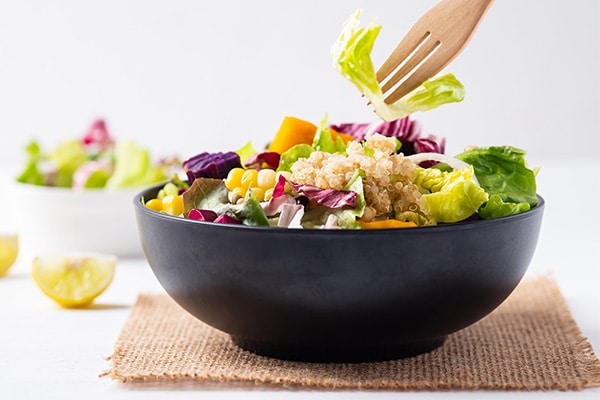
The risks of a vegan diet can be many. They arise when, in a do-it-yourself diet, people eliminate certain nutrients and do not add others to make up for them. Vegan Day, or World Vegan Day, is celebrated every year on November 1. It is dedicated to promoting and spreading veganism as an ethical and sustainable lifestyle, also to protect animal species.
What to do to avoid the risks of a vegan diet
A vegan diet is a dietary choice that excludes all foods of animal origin, including meat, poultry, fish, dairy, eggs and honey. A well-planned vegan diet followed with the support of a nutritionist can be healthy and nutritious, but there are some health risks to keep in mind. These arise when attention is not paid to the right choice and combination of foods.
What are the risks of a vegan diet
The risks of a vegan diet can be many if it is not followed correctly. Among them there can be several problems.
- Nutritional deficiencies. This is the most obvious risk. Nutritional deficiencies occur when attention is not paid to providing the body with all the nutrients it needs. Some critical nutrients that may be lacking in a vegan diet include vitamin B12, vitamin D, iron, calcium, zinc, iodine and long-chain omega-3. A lack of these nutrients can lead to health problems such as anemia, osteoporosis, impairment of the immune system and cognitive dysfunction. This, of course, in the most serious cases and when the diet is unbalanced for a long period.
- Vitamin B12. Vitamin B12 is found mainly in foods of animal origin and plays an important role in the formation of red blood cells and in the health of the nervous system. A lack of vitamin B12 can cause megaloblastic anemia and neurological damage. People who follow a vegan diet should consider taking vitamin B12 supplements or eating foods fortified with this vitamin.
- Insufficient protein. Complete proteins contain all the essential amino acids the body needs. While plant proteins are found in many vegan foods, they are often not complete and do not provide all the essential amino acids in sufficient quantity. Therefore, it is important to combine different plant protein sources (for example, grains and legumes) to obtain a full range of amino acids.
- Calcium and vitamin D. Calcium is essential for the health of bones and teeth, while vitamin D helps calcium absorption. Since dairy products are excluded from the vegan diet, it is important to make sure to get enough calcium from plant sources such as leafy green vegetables, tofu and fortified foods. In addition, in cases where limited sun exposure can increase the risk of vitamin D deficiency, supplements may be needed.
- Iron and zinc. Iron is essential for the formation of red blood cells, while zinc is involved in many vital functions of the body, including growth and the immune system. Foods of animal origin contain heme iron, which is absorbed more easily by the body than the non-heme iron found in plant foods. Therefore, people who follow a vegan diet should pay attention to their intake of plant sources of iron and consider pairing them with foods rich in vitamin C to improve absorption. As for zinc, good sources can be found in legumes, nuts and seeds.
The vegan diet in children and older adults
As for children and older adults, a vegan diet can be more complex and requires even more careful planning to ensure all nutritional needs are met. During the stages of growth and development, children need essential nutrients to support bone and muscle growth, the nervous system and the immune system. Older adults, on the other hand, may be more susceptible to nutritional deficiencies because of a reduced ability to absorb and use certain nutrients. Therefore, it is important to avoid do-it-yourself diets.
Vegan Day
Vegan Day, or World Vegan Day, is celebrated every year on November 1. It is dedicated to promoting and spreading veganism as an ethical and sustainable lifestyle. Vegan Day is celebrated to raise people’s awareness, to promote veganism, to celebrate the achievements of the vegan community and to achieve growth of the movement through awareness-raising. To check whether your levels are adequate, you can undergo laboratory tests at the NefroCenter Group.