Myocarditis: symptoms and tests to undergo
Myocarditis: symptoms and tests to undergo. Myocarditis is an inflammation of the myocardium, the heart muscle
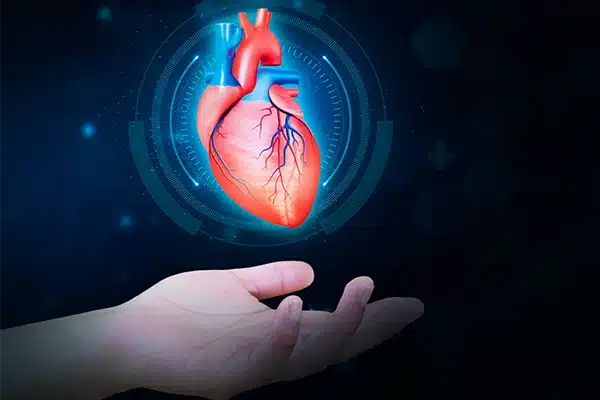
Myocarditis: symptoms and tests to undergo. Myocarditis is an inflammation of the myocardium, the heart muscle. Essentially, the myocardium is the muscular part of the heart, located between the endocardium (the inner membrane) and the epicardium (the outer membrane). It is made up of cardiac muscle cells, called myocytes. These contract and relax in a coordinated way to pump blood throughout the body. Its functions are contraction to push blood out of the heart, relaxation to let it in, and generating the heart rhythm, since the myocardium contains specialized cells. Those most affected are adults between 20 and 50 years of age, children and people with an immune deficiency.
How the types of myocarditis differ: knowing the symptoms and the tests to undergo
There are different types of myocarditis. There are 4 types, which differ according to the nature of the condition.
- Viral myocarditis: is the most common form of myocarditis. It is caused by viruses, such as Coxsackievirus B. It is one of the groups of viruses that belong to the Enterovirus family, found in the human intestine. They are responsible for a wide range of infections that can vary from mild gastrointestinal discomfort to more serious conditions, such as myocarditis and pericarditis.
- Bacterial myocarditis: is caused by bacteria, such as Staphylococcus aureus. Often abbreviated to S. aureus or “staph aureus”, it is a spherical Gram-positive bacterium that is part of the normal bacterial flora of the nose, throat and skin of very many healthy people. However, this bacterium can also be responsible for a wide range of infections, from mild to potentially life-threatening.
- Fungal myocarditis: is rare and is caused by fungi, such as Candida albicans. It is a fungus present in very small amounts in our body, mainly in the mouth, the intestine and the vagina. Under normal conditions, Candida lives in balance with the “good” bacteria that populate these areas. However, sometimes a disturbance of this balance can lead to an overgrowth of Candida albicans, causing infections known as candidiasis.
- Drug-induced myocarditis: is caused by certain medications, but it is a very rare event. On the other hand, some toxic substances such as cocaine and amphetamine can damage the cells of the myocardium and affect the heart rhythm.
Causes
The most common cause of myocarditis is viruses. Bacteria are less common and fungi are rare. There are, however, also causes due to autoimmune diseases. These include systemic lupus erythematosus (SLE). It is a chronic autoimmune disease that mainly affects women of childbearing age. It is characterized by systemic inflammation that can involve various organs and systems of the body, including joints and muscles, skin, kidneys, central nervous system, heart (in the case of myocarditis and pericarditis), lungs and blood. Finally, among the causes we can also include allergic reactions to certain medications or foods, although in a low percentage.
Symptoms to evaluate before the tests to undergo for myocarditis
The symptoms of myocarditis are varied. Among them, chest pain can even resemble a heart attack.
- Chest pain.
- Shortness of breath.
- Fatigue.
- Fever.
- Heart palpitations.
- Fainting.
If you have these symptoms, it is important to contact, depending on severity, your doctor, a cardiologist or go to the nearest emergency room.
Tests to undergo
Several tests are needed when myocarditis is suspected. The instrumental tests can be performed at the NefroCenter group facilities, or at Rome American Hospital.
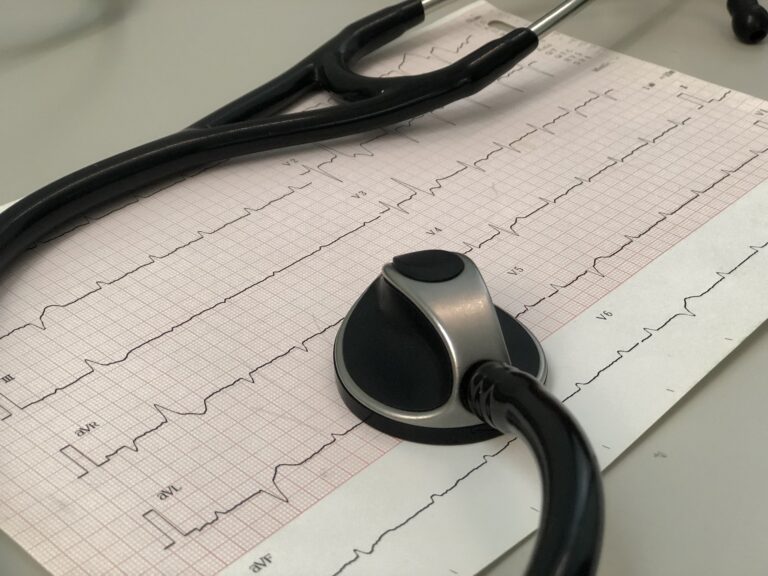
- Electrocardiogram (ECG): to evaluate the heart rhythm.
- Echocardiogram: to evaluate heart function.
- Blood tests: to look for the cause of the myocarditis.
- Cardiac magnetic resonance imaging: to assess the severity of the myocarditis.
Treatments
Myocarditis can be treated with either medication or surgery. The latter is reserved for the most serious cases. Medications are essential to reduce inflammation and improve heart function. Rest is extremely important, as it allows the heart to heal.
Recovery
Recovery time varies depending on the severity of the myocarditis. In addition, most people recover completely, although some people may have permanent heart damage. There are, however, rules to follow:
- Avoid intense physical exertion.
- Do not smoke.
- Drink plenty of water.
- Eat a healthy diet.
- Follow your doctor’s instructions.
To learn more about the symptoms and the tests to undergo for myocarditis, you can also contact our centers.