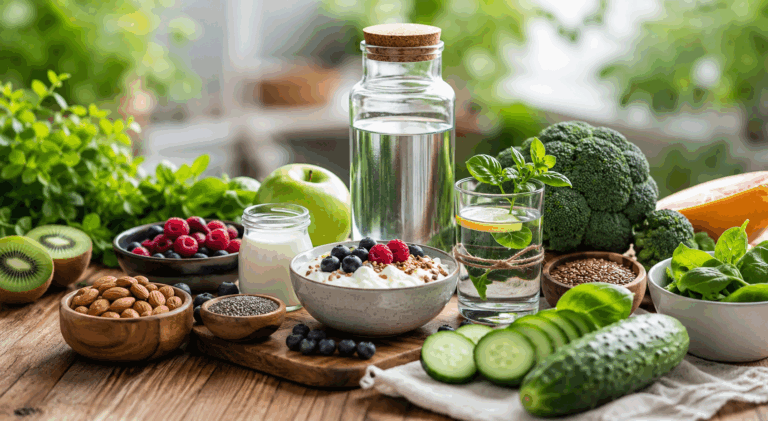
Low glycemic index foods available in autumn
Low glycemic index foods in autumn have many benefits, especially for cardiovascular health.

Even in autumn it is possible to find low glycemic index foods. Typical foods of the autumn season are chestnuts, pumpkins, pomegranates and mushrooms. Even though we may be tempted by these foods, it is important to keep your blood glucose level under control.
The glycemic index: what it is
The glycemic index (GI, or glycemic index) is a value that can range from 0 to 100 and expresses how quickly foods rich in carbohydrates raise the concentration of glucose in the blood. It is calculated as a percentage. The starting point is giving the standard amount of glucose in a portion of white bread (glycemic index: 100):
- glycemic index of 10-40%: low GI;
- glycemic index of 40-70%: medium GI;
- glycemic index of 70-100%: high GI.
To calculate the glycemic index, 50 g of carbohydrates/glucose are given to the patient, and blood glucose is then measured at regular intervals.
Low glycemic index and high glycemic index foods
Foods with a high glycemic index, especially those rich in carbohydrates, are digested and absorbed quickly, causing a sharp rise in blood glucose. By contrast, foods with a low glycemic index are processed more slowly, followed by a less sudden rise in blood sugar. A low glycemic index is generally a sign of good health. A diet based on high glycemic index foods can lead to serious disorders ranging from diabetes to cardiovascular disease. A sedentary lifestyle, combined with poor diets, can contribute to compromising health.
Strategies for keeping the glycemic index low
Building your diet around low glycemic index foods requires knowing a few fundamental “strategies.” The first, for example, is to avoid sweets if possible, or at most to eat them in very limited amounts. Also avoid products made from refined grains such as white bread and non-whole-grain cereals. Always eat, if possible without rushing too much, three meals a day plus a couple of snacks, and never skip breakfast.
Low glycemic index fruits in autumn
Autumn foods with a low glycemic index are fruits and non-starchy vegetables, that is, those with no starch in their composition. Foods are considered low glycemic index when their index is below a value that ranges between 35-40%. It is essential to remember that the riper the fruit, the higher its sugar content will be. As a result, the glycemic index will be higher.
To keep the glycemic index low, the following are recommended:
- apples;
- berries;
- citrus fruits, that is, oranges, mandarins and clementines (the first three groups are essential for lowering blood pressure, as they are rich in flavonols and flavonoids);
- grapes other than sultana grapes;
- pears;
- plums.
It is advisable to eat in moderation:
- bananas;
- pineapple;
- kiwi;
- chestnuts.
fruits that are typically associated with this time of year. These are “orange light” fruits, with a medium glycemic index. The advice, therefore, is to eat them in moderation.
Nuts are also fine, but avoid the mixes sold in stores because they are often sweetened.
Low glycemic index vegetables in autumn
As for vegetables, those belonging to the cruciferous family are preferable:
- broccoli;
- cabbage;
- turnip greens;
- arugula;
- radishes.
Indeed, cruciferous vegetables are low in calories and rich in vitamins A, C and K; potassium; phosphorus and calcium. Apart from this group, onions, which also have a low glycemic index, should not be ruled out.
Low glycemic index foods available in autumn are plentiful and allow for a varied diet. Checking your blood glucose values periodically is important. For this reason you can always have specific tests done at the Nefrocenter laboratories.