Low blood pressure in summer: Nefrocenter’s tips
Low blood pressure in summer: how it shows up and how to fight it. Nefrocenter has always been on the front line of prevention. Our tips.
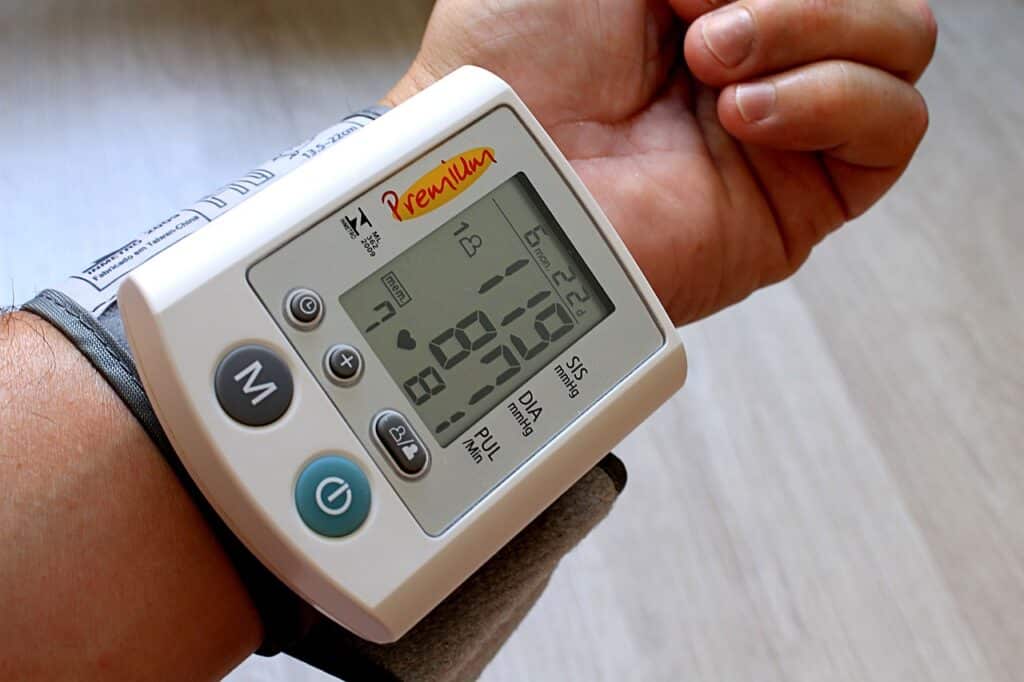
Low blood pressure (hypotension) in summer: how it shows up and how to fight it. Nefrocenter has always been on the front line of prevention. And although it is not a true disease, it is important to deal with the problem so it does not spoil your vacation or your days of leisure. It is a problem that also affects people who work in the summer and cannot carry out their job in places with air conditioning.
Low blood pressure in summer: what happens
Low blood pressure in summer is one of the most frequent problems during the hot months. As temperatures rise, many people experience sudden drops in blood pressure accompanied by weakness, dizziness, a feeling of faintness and fatigue. In most cases it is not a true disease, but a condition that can affect quality of life and, if neglected, increase the risk of falls and accidents.
At the beach, in the mountains, during a walk or even at work, especially for those who work outdoors or in non-air-conditioned environments, an episode of low blood pressure in summer can turn an ordinary day into a moment of great difficulty.
The NefroCenter Group has always been committed to preventing the conditions and problems linked to summer heat, promoting healthy lifestyles and greater attention to the signals our body sends us.
The symptoms of low blood pressure in summer
Low blood pressure in summer can develop gradually or appear suddenly.
One of the first signs is a general feeling of weakness accompanied by tiredness even after small efforts.
Many people also report:
- lightheadedness;
- dizziness (vertigo);
- blurred or hazy vision;
- nausea;
- difficulty concentrating;
- cold sweats;
- a feeling of unsteadiness;
- heavy or weak legs.
In more severe cases, syncope (fainting) can occur, that is, a temporary loss of consciousness caused by reduced blood flow to the brain.
The main risk is not so much the fainting itself as the possible consequences of an accidental fall.
For this reason, these symptoms should never be underestimated, especially in older adults.
What to do if you suffer from low blood pressure in summer
The first rule is to prevent dehydration.
Drinking regularly throughout the day helps maintain a healthy blood volume and helps the body counter the natural drop in blood pressure caused by heat.
Unless there are specific medical contraindications, it is advisable to drink water regularly even when you do not feel thirsty.
On the hottest days it can also be helpful to replenish the minerals lost through sweating, using specific supplements or drinks formulated for electrolyte recovery.
Fresh-squeezed juices and fruit juices with no added sugar can also be a valid support.
On the other hand, it is advisable to limit alcoholic drinks, which further promote vasodilation and increase the risk of dehydration.
How to act during an episode of feeling unwell
If a sudden episode of low blood pressure in summer occurs, it is important to stay calm.
The person should lie down immediately in a cool place, raising their legs with a pillow or resting them on a chair.
This position helps blood flow back toward the heart and the brain.
Isometric exercises can also be helpful: repeatedly clenching your fists or firmly tensing your leg muscles temporarily helps raise blood pressure.
If symptoms do not improve quickly, if loss of consciousness occurs, or if the episode affects an older person or someone with chronic conditions, it is essential to seek medical assistance.
Who is most at risk?
Low blood pressure in summer can affect anyone, but some groups are particularly vulnerable.
These include:
- older adults;
- pregnant women;
- very thin people;
- people who take blood pressure medications or diuretics;
- people who do intense sports;
- workers exposed to the sun;
- people with diabetes or cardiovascular disease.
People with chronic kidney disease should also pay particular attention to proper hydration during the summer months, always following the instructions of their own kidney specialist.
Diet can help keep blood pressure stable
Diet plays an important role in preventing low blood pressure in summer.
Fruits and vegetables rich in water and minerals help replenish what the body loses through sweat.
Foods that are particularly recommended include:
- watermelon;
- cantaloupe;
- apricots;
- bananas;
- cucumbers;
- tomatoes;
- peaches;
- zucchini.
These foods provide water, potassium, magnesium and vitamins that are valuable for getting through the hottest days.
Licorice and salt: do they really work?
Among the best-known traditional remedies are licorice and salt.
Licorice, thanks to glycyrrhizin, can temporarily raise blood pressure. However, it is not suitable for everyone and should be avoided by people with high blood pressure, heart failure or kidney disease.
Taking a small amount of salt can also temporarily raise blood pressure, but this advice is not valid for everyone and should be assessed together with your doctor.
It is always best to avoid do-it-yourself solutions and rely on the specialist’s guidance.
A few small precautions can make a difference
When temperatures are very high, it helps to change some daily habits.
If you are lying down at the beach or on a sun lounger, it is advisable to avoid getting up suddenly. It is better to sit for a few seconds and then stand up slowly.
Changing position gradually after sitting or lying down for a long time also reduces the risk of dizziness.
Walking promotes venous return and improves circulation, while staying still for too long, whether standing or sitting, can worsen the drop in blood pressure.
On the muggiest days it is also helpful to frequently cool your wrists, neck, ankles and face with cool water.
ALSO ON OUR SOCIAL MEDIA CHANNELS ALL THE TIPS FOR PEOPLE WHO SUFFER FROM LOW BLOOD PRESSURE