Irritable bowel or spastic colitis: symptoms, tests and treatment
Irritable bowel syndrome, or spastic colitis, is a fairly common disorder. Nefrocenter's advice for managing it.

Irritable bowel syndrome, or spastic colitis, is a fairly common disorder. It affects women in particular, at least twice as often as men, and it is most frequent between the ages of 20 and 30. It affects 15% of the population, with a yearly incidence of up to 2%.
What is spastic colitis
The colon is a section of the large intestine and can be affected by chronic disorders. The best known of these is irritable bowel syndrome, also called spastic colitis. Unlike in people with Crohn’s disease, the anatomy of the intestine is not altered: its shape is normal.
Because the condition is so widespread, it has over time been given several names. It is also called IBS (Irritable Bowel Syndrome), nervous or mucous colitis, and spastic colon.
The causes of irritable bowel syndrome
The causes of irritable bowel syndrome are not known. Spastic colitis may also be rooted in an abnormality in the communication between the brain, the nerve fibers and the intestinal muscles.
People with spastic colitis have symptoms that can be quite bothersome and affect their lifestyle. Abdominal pain and cramps are the most disabling, but irritable bowel syndrome also shows up as constipation or diarrhea, abdominal bloating, gas and mucus in the stool.
What to do when symptoms appear
Patients are advised to undergo the instrumental tests offered by Nefrocenter Diagnostica, by having a virtual colonoscopy. If the symptoms are severe, particularly the pain, further investigations are advisable. The symptoms of spastic colitis are in fact shared by other intestinal disorders. Irritable bowel syndrome is chronic and can last for years. As a result, drug treatment can go on for a very long time. Fortunately, even though the inflammation persists for years, it does not cause colon or colorectal cancer.
Foods to avoid with irritable bowel syndrome
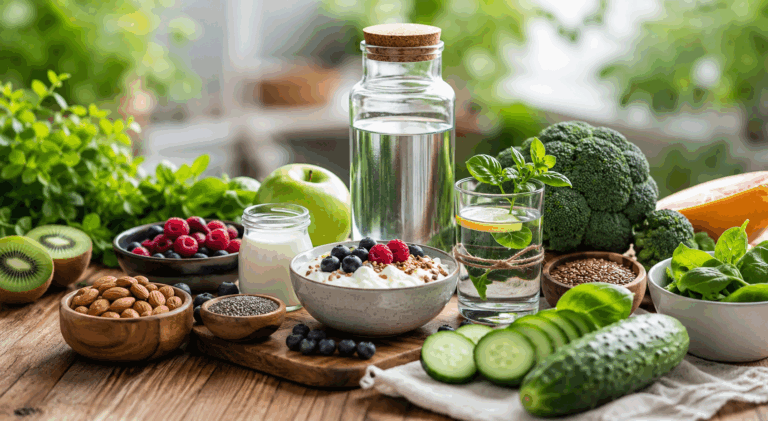
Some foods can set off spastic colitis. Fatty foods and fruit are among those that doctors call triggers. Peas, cauliflower and broccoli are best avoided. Chocolate, coffee, spices and tea are other foods to stay away from, along with milk and alcoholic, sugary and carbonated drinks.
Other factors that trigger colitis
Excessive stress, hormonal changes and some infectious diseases can also set off irritable bowel syndrome. During the periods when our body is under stress of any kind, the disorder can show itself in more serious forms.
Spastic colitis affects women during the periods when the hormonal changes caused by the menstrual cycle occur in their bodies.
Finally, irritable bowel syndrome can also be triggered by infections, among them viral or bacterial gastroenteritis.