How to treat sciatica: from conservative treatment to spinal neurosurgery
How to treat sciatica: from conservative treatment to spinal neurosurgery. Sciatica is one of the most common causes of pain
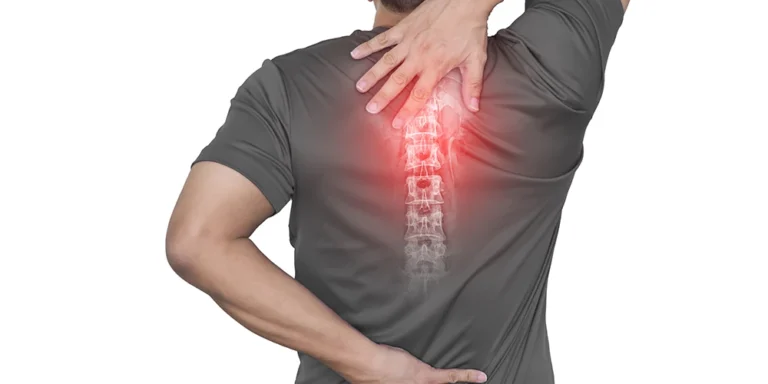
How to treat sciatica: from conservative treatment to spinal neurosurgery. Sciatica is one of the most common causes of severe pain in the back and lower limbs. It affects millions of people every year and can become severely disabling, compromising quality of life, work and the simplest daily movements. Understanding how to treat sciatica means first of all understanding its origin, telling the different clinical forms apart and identifying the most suitable treatment path, which can range from conservative therapy to spinal neurosurgery in the most complex cases.
In the context of Spinal and Peripheral Nerve Neurosurgery, sciatica is never considered a simple, isolated symptom, but the expression of a structural or functional problem involving the spine and the nerve roots.
What sciatica is and why it causes pain
The term sciatica, or sciatic neuralgia, refers to pain that originates in the lower back and radiates along the course of the sciatic nerve, the longest and largest nerve in the human body. The pain can extend to the buttock, the thigh, the leg and sometimes down to the foot, following a well-defined path.
The cause of the pain is not the nerve itself, but the compression or irritation of its roots at the level of the spine. This compression alters the transmission of nerve impulses and causes pain, tingling, burning, loss of sensation or reduced muscle strength.
The most common causes of sciatica
To understand how to treat sciatica, it is essential to identify its cause. The most common causes are related to conditions of the lumbar spine.
A lumbar herniated disc is one of the main causes. In this case, a portion of the intervertebral disc protrudes from its natural position and compresses a nerve root.
Spinal stenosis is another frequent cause, especially in older patients. The narrowing of the canal through which the nerves run causes progressive compression, often associated with difficulty walking.
Spondylolisthesis, in other words the slipping of one vertebra relative to the one below it, can lead to instability and nerve compression.
Inflammatory processes, osteoarthritis of the spine, and the after-effects of trauma or previous surgery can also be responsible for the onset of sciatica.
How to treat sciatica: the first, conservative approach
In most cases, treatment of sciatica begins with conservative management. This approach is appropriate when the pain has been present for a short time, there are no significant neurological deficits, and quality of life, although affected, is not severely limited.
Drug therapy is often the first step. Anti-inflammatory drugs, painkillers and, in some cases, muscle relaxants are used to reduce pain and inflammation. In more severe cases, medications specific to neuropathic pain may be prescribed.
Physical therapy plays a central role in treating sciatica. Through targeted exercises, manual therapies and postural rehabilitation, it is possible to reduce the compression on the nerve roots, improve spinal mobility and prevent recurrences.
Prolonged complete bed rest is no longer recommended. On the contrary, controlled and progressive physical activity promotes recovery and reduces the risk of the pain becoming chronic.
When sciatica becomes chronic
Conservative treatment is not always enough. In some cases, the pain persists for weeks or months despite therapy. This is then referred to as chronic sciatica, a condition that requires a more thorough diagnostic work-up.
Persistent pain may indicate significant nerve compression or a structural condition that cannot resolve on its own. In these cases it is essential to seek a specialist evaluation in the field of Spinal and Peripheral Nerve Neurosurgery.
The neurosurgical evaluation in sciatica
A neurosurgical consultation does not automatically mean surgery. On the contrary, it is a key moment for understanding the true origin of the problem.
The specialist reviews the patient’s medical history, performs a thorough neurological examination and evaluates imaging studies, such as magnetic resonance imaging of the lumbar spine. The aim is to correlate the clinical symptoms with the radiological images, avoiding unnecessary or inappropriate treatments.
Surgical treatment is considered only when there is a clear correspondence between nerve compression and symptoms, and when the pain or neurological deficit significantly affects the patient’s life.
How to treat sciatica with spinal surgery
Surgery is an effective solution in selected cases of sciatica that does not respond to conservative therapies. Thanks to the evolution of techniques, surgery today is increasingly targeted and less invasive.
Lumbar microdiscectomy is the most common procedure for a lumbar herniated disc. Through a small incision and the use of the operating microscope, the surgeon removes only the fragment of disc that is compressing the nerve root, preserving the healthy structures.
In forms of spinal stenosis, the procedure aims to decompress the nerves by widening the space available to them. Here too, minimally invasive techniques reduce surgical trauma and speed up recovery.
When sciatica is associated with spinal instability, as in spondylolisthesis, it may be necessary to combine decompression with spinal stabilization, using systems of screws, rods or interbody cages.
The advantages of minimally invasive surgery
One of the most important aspects of modern spinal neurosurgery is the use of minimally invasive techniques. These approaches make it possible to reach the spine through smaller incisions, limiting damage to the muscles and surrounding tissues.
The benefits for the patient are significant. Post-operative pain is generally lower, blood loss is reduced and hospital stays are shorter. In most cases, the patient is up and moving within the first hours or days after surgery.
Recovery after sciatica treatment
Treating sciatica does not end when the acute pain is gone. The recovery process is a key phase for consolidating the result and preventing recurrences.
After surgery, or even after effective conservative treatment, a personalized rehabilitation program is set up. Post-operative physical therapy helps restore strength, flexibility and correct posture, reducing the risk of new episodes.
The patient’s role is central. Adopting an active lifestyle, maintaining a healthy weight and following postural guidance contribute decisively to long-term success.
Treating sciatica means treating the person
A fundamental aspect, often underestimated, is that sciatica is not just physical pain. Prolonged suffering can affect mood, sleep and social life. For this reason, the management of sciatica must be comprehensive and personalized.
Spinal and Peripheral Nerve Neurosurgery is part of a care model that takes into account not only the spine, but the whole person, with their needs and expectations.
The role of the NefroCenter Group
Building on earlier in-depth articles dedicated to spinal conditions, the NefroCenter Group promotes an integrated approach to the treatment of sciatica, based on accurate diagnoses, targeted treatments and advanced surgical techniques when necessary.
The goal is not simply to eliminate the pain, but to give the patient back independence, function and quality of life, avoiding standardized solutions and favoring pathways built around the individual clinical case.
When to see a specialist
Knowing how to treat sciatica also means knowing when to ask for help. It is advisable to see a specialist when the pain lasts beyond a few weeks, gets progressively worse, comes with a loss of strength or sensation, or significantly limits daily activities.
Acting promptly often helps avoid the pain becoming chronic and leads to better results, both with conservative therapies and, when indicated, with surgical treatment.
Sciatica is not a life sentence, but a treatable condition. With a correct assessment and an appropriate treatment path, it is possible to return to an active, pain-free life.