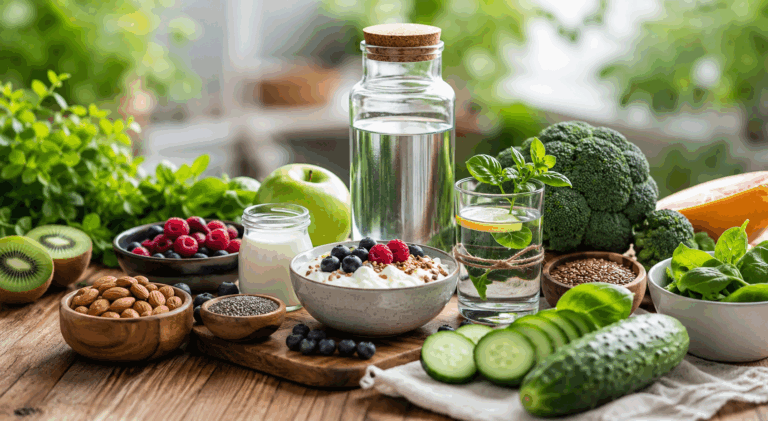
Diet for kidney failure: what to avoid and which foods help prevent it
Diet for kidney failure: which one to follow? If your kidneys are not working properly, it is essential to see a specialist.

Diet for kidney failure. Which one should you follow? First of all, it should be made clear that, if the kidneys are not working properly, it is essential to see a specialist. The nephrologist may recommend a consultation with a nutritionist. No to do-it-yourself diets or the ones you can find online. There are very specific rules about foods and how much of them to eat that patients with kidney failure must follow.
What is kidney failure
It is a medical condition in which the kidneys are not working properly. Reduced function causes waste products and harmful substances to build up in the blood, because they are not filtered correctly and eliminated through the urine. The diet for kidney failure depends on the stage of the disease and on the presence of other conditions. You can read everything about kidney failure and its 5 stages here, including what the kidneys do and what a nephrologist treats.
Diet for kidney failure: the foods to cut back on
For people whose kidneys are not working perfectly, diet is essential. Proper nutrition for this condition involves a limited intake of protein, sodium, potassium, and phosphorus. Reduced amounts of these substances in food do not put additional strain on kidneys that are already working at reduced function.
The nutrients to limit
The diet must always be set by a nephrologist and a nutritionist. Each Nefrocenter center has specialists who can guide patients toward healthy habits. Of course, the most important task falls to the patient, who must follow the doctors’ rules.
- Protein. Malfunctioning kidneys cannot remove protein waste from the blood. High-protein foods are meat, fish, eggs, dairy products, and legumes, and their consumption must be limited and agreed on with the specialists.
- Potassium. The kidneys cannot remove all the potassium effectively. It is an element found in bananas, oranges, sweet potatoes, spinach, and tomatoes.
- Phosphorus. It can cause bone problems and calcification of soft tissues. Foods high in phosphorus, such as meat, fish, dairy products, and canned foods, should be limited.
What to eliminate
There are also things to eliminate. In this case, those rich in sodium, the number one enemy of the kidneys. The sodium can cause fluid retention and lead to an increase in blood pressure. It is found in snacks, precooked foods, cured meats, and canned foods. In this case, rather than limiting the consumption of foods with sodium, they should be eliminated.
What to do
- Drink plenty of water. It can help reduce the workload on the kidneys and prevent dehydration.
- Reduce the amount of food. Eating smaller portions can help reduce the load on the kidneys and aid digestion.
Foods that can be eaten to avoid kidney failure
Some foods can benefit the kidneys. Their role, based on their characteristics, is to help prevent or control kidney disease.
- Fruits and vegetables. Leafy green vegetables are beneficial. These include spinach, chard, and cabbage. Fruit is also important. Apples, bananas, and oranges are rich in potassium, vitamins, and antioxidants and are good for prevention, but bananas in particular are forbidden for those who instead have kidney problems. They can help keep the kidneys healthy.
- Fish. Oily fish, including salmon, tuna, and sardines, is rich in omega-3 fatty acids. These help reduce inflammation and the risk of kidney disease.
- Whole grains. Brown rice, spelt, and barley are rich in fiber and nutrients.
- Eggs. Rich in high-quality protein, they are the best choice when comparing them with other foods that contain protein. In fact, red meat and cheeses contain saturated fats that eggs do not have.
- Olive oil. Rich in monounsaturated fatty acids and antioxidants, it helps reduce inflammation.
The stages of chronic kidney disease
Chronic kidney disease is divided into 5 stages, based on the ability of the kidneys to filter the blood (GFR):
- Stage 1: normal kidney function but with signs of damage
- Stage 2: mild reduction in function
- Stage 3: moderate reduction, the first symptoms begin to appear
- Stage 4: severely reduced function
- Stage 5: end-stage kidney failure
It is precisely in the more advanced stages that the diet becomes even stricter and essential to slow the progression of the disease.
When dialysis becomes necessary
In stage 5, when the kidneys can no longer perform their vital functions, it may become necessary to start dialysis, a therapy that replaces the work of the kidneys by filtering the blood.
At this stage, nutrition takes on an even more central role:
- it must be highly controlled
- it varies depending on the type of dialysis
- it requires constant monitoring by the specialists
Table 1 – Nutrients to limit in kidney failure
| Nutrient | Why limit it | Main foods |
|---|---|---|
| Protein | The kidneys cannot remove protein waste | Meat, fish, eggs, dairy products, legumes |
| Potassium | It can build up in the blood and cause heart problems | Bananas, oranges, potatoes, tomatoes, spinach |
| Phosphorus | It can cause bone problems and calcifications | Dairy products, meat, fish, processed foods |
| Sodium | It raises blood pressure and causes fluid retention | Cured meats, snacks, ready-made foods, preserved foods |
Table 2 – Foods to avoid or reduce
| Category | Foods | Why avoid them |
|---|---|---|
| Salty foods | Snacks, chips, cold cuts | Rich in sodium |
| Ready-made foods | Frozen foods, ready meals | High in salt and preservatives |
| Sugary drinks | Cola, carbonated drinks | Rich in phosphorus |
| Alcoholic drinks | Wine, beer, spirits | They overload the kidneys |
| Fast food | Hamburgers, fried foods | Rich in fat and sodium |
Table 3 – Recommended foods (in moderation and under medical supervision)
| Category | Foods | Benefits |
|---|---|---|
| Vegetables | Zucchini, carrots, lettuce | Rich in vitamins |
| Fruit | Apples, pears, berries | Natural antioxidants |
| Fish | Salmon, mackerel, sardines | Anti-inflammatory omega-3s |
| Grains | Rice, spelt, barley | Source of fiber |
| Healthy fats | Extra virgin olive oil | Reduces inflammation |
Table 4 – Diet and stages of kidney disease
| Stage | Nutrition |
|---|---|
| Stage 1-2 | Balanced diet, preventive monitoring |
| Stage 3 | Reduced protein and sodium |
| Stage 4 | Closely controlled diet (potassium and phosphorus) |
| Stage 5 | Specific diet + possible dialysis |
Table 5 – Diet for patients on dialysis
| Aspect | Guidance |
|---|---|
| Protein | Increased compared with the other stages |
| Fluids | Controlled according to medical instructions |
| Potassium | Carefully monitored |
| Sodium | Kept to a minimum |
| Phosphorus | Strict control |
Care, therapies, and specialists in Roma at RAH, follow the link:
https://www.rah.it