Diabetes and cataracts: a silent link that can compromise your vision
Diabetes and cataracts: a silent link that can compromise your vision. The relationship between diabetes and cataracts is close.
Diabetes and cataracts: a silent link that can compromise your vision. The relationship between diabetes and cataracts is close, well documented and often underestimated. Diabetes mellitus, especially when it is not well controlled over time, affects not only metabolism and the cardiovascular system but also has a direct impact on eye health. Among the most common eye complications in people with diabetes, cataracts hold a prominent place, both for how often they occur and for their impact on quality of life.
Talking about diabetes and cataracts means addressing a topic that affects millions of people and on which the NefroCenter Group is at the forefront after years of research and care. Talking about diabetes and cataracts means, in fact, understanding how chronically altered blood glucose levels can accelerate degenerative processes in the eye, leading to a progressive loss of transparency of the lens and, as a result, to worsening vision. Prevention, early diagnosis and constant monitoring are therefore essential tools for preserving eyesight over time.
What a cataract is and why it compromises vision
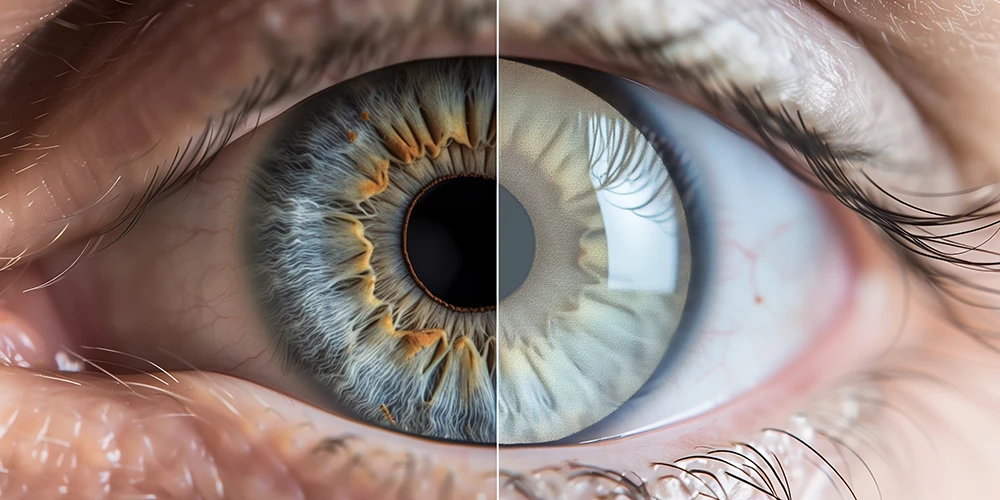
A cataract is a condition characterized by the progressive clouding of the lens, the natural lens of the eye whose job is to focus images on the retina. Under normal conditions the lens is clear and flexible; with a cataract, this clarity is gradually lost, causing blurred vision, as if looking through a fogged-up pane of glass.
As the condition progresses, colors appear less vivid, sensitivity to light increases, night vision worsens and daily activities become more and more difficult. If left untreated, a cataract can progress to a severe loss of vision, reaching functional blindness in the most advanced cases.
Diabetes: a systemic disease with effects on the eyes
Diabetes is a chronic condition characterized by a persistent rise in blood glucose. Over time, this condition damages blood vessels and tissues, affecting many organs. The eyes are particularly sensitive to the metabolic changes caused by diabetes, because the structures of the eye depend on a delicate chemical and vascular balance.
When blood glucose stays high for long periods, the excess glucose penetrates the tissues of the eye, altering the metabolism of the cells and promoting degenerative processes. This is where the direct link between diabetes and cataracts comes in, making people with diabetes more likely to develop the condition than the general population.
Diabetes and cataracts: why the risk is higher
The link between diabetes and cataracts is due to several biological mechanisms. Chronic hyperglycemia promotes the accumulation of sorbitol inside the lens, a substance that draws in water and causes swelling and alteration of the lens fibers. This process accelerates the clouding of the lens and brings forward the onset of the cataract.
In people with diabetes, cataracts tend to appear at a younger age than in people without diabetes and can progress more quickly. In addition, fluctuations in blood glucose can temporarily change the refraction of the eye, causing changes in vision that are often underestimated but are an important warning sign.
Symptoms of cataracts in people with diabetes
The symptoms of a cataract associated with diabetes are not always immediate and can be confused with other vision problems. The most common signs include blurred vision, difficulty reading, altered perception of colors and increased glare, especially under artificial lighting or when driving at night.
In people with diabetes, these symptoms can appear insidiously and progress more quickly. There is often a sudden worsening of vision that does not improve with a change of glasses. It is precisely in these cases that a thorough eye examination becomes essential to tell a cataract apart from other eye complications of diabetes.
Cataracts and other eye complications of diabetes
It is important to stress that diabetes does not cause cataracts alone. Diabetic retinopathy, glaucoma and macular edema are other common conditions that can coexist in the same patient. This makes eye care for people with diabetes particularly complex and calls for an integrated, specialist approach.
The simultaneous presence of a cataract and diabetic retinopathy, for example, can mask the signs of a more serious retinal disease, delaying its diagnosis. For this reason, regular eye monitoring in people with diabetes should never be put off, even when there are no obvious symptoms.
The importance of early diagnosis
In the context of diabetes and cataracts, early diagnosis is a fundamental tool for prevention. Spotting the first signs of clouding of the lens makes it possible to schedule closer follow-up, optimize blood glucose control and assess the most appropriate time for surgery, if needed.
A regular eye examination, combined with targeted instrumental tests, makes it possible to monitor how the cataract is progressing and to tell vision problems linked to blood glucose fluctuations apart from structural ones. This approach reduces the risk of complications and improves the long-term visual outlook.
Blood glucose control and cataract prevention
One of the most important aspects of preventing cataracts in people with diabetes is good blood glucose control. Keeping values stable and close to normal reduces the metabolic stress on the structures of the eye and slows the degenerative processes of the lens.
Prevention therefore relies on a balanced lifestyle, proper nutrition, adherence to drug therapy and regular check-ups. Managing other risk factors, such as high blood pressure and dyslipidemia, also helps protect eye health and reduce the complications linked to diabetes.
Treating cataracts in people with diabetes
The only effective treatment for a cataract is surgery, which consists of removing the clouded lens and replacing it with an artificial lens. In people with diabetes, the operation requires an even more careful evaluation, because the presence of other eye conditions can affect the final result.
Cataract surgery today is a safe and highly standardized procedure, but in people with diabetes it is essential that it be performed in a well-equipped clinical setting, with a careful preoperative evaluation and appropriate postoperative follow-up. Controlling blood glucose before and after the operation is essential to support proper healing and reduce the risk of complications.
Cataracts and quality of life in diabetes
The loss of vision caused by a cataract has a significant impact on the quality of life of people with diabetes. Reduced independence, difficulty managing therapy, a higher risk of falls and social isolation are only some of the consequences of impaired vision.
Acting promptly on a cataract means not only improving vision, but also preserving a person’s independence and psychological well-being. In this sense, eye health becomes an integral part of the overall management of diabetes.
Integrated prevention: the role of multidisciplinary check-ups
The link between diabetes and cataracts highlights the importance of a multidisciplinary approach to patient care. Diabetologists, eye specialists and general practitioners need to work together to ensure complete and continuous monitoring. This is what happens in the facilities of the NefroCenter Group.
Prevention is not limited to diagnosing the cataract, but includes patient education, raising awareness of early symptoms and promoting regular check-ups even when there are no complaints. This model of integrated care is one of the pillars of modern medicine oriented toward prevention.
Diabetes and cataracts: a pairing not to be underestimated
The relationship between diabetes and cataracts is a concrete example of how a systemic disease can affect organs that seem far removed from glucose metabolism. Understanding this link makes it possible to act early, reducing the risk of vision loss and improving quality of life in the long term.
A cataract in a person with diabetes is not inevitable, but a condition that can be monitored, slowed and successfully treated when it is approached with awareness and continuity of care.
The role of the NefroCenter Group in prevention
The NefroCenter Group has long promoted an integrated vision of health, in which preventing chronic complications, such as those linked to diabetes, plays a central role. Through complete diagnostic pathways and specialist check-ups, it is possible to catch conditions such as cataracts early and set up appropriate monitoring.
For an evaluation of the relationship between diabetes and cataracts and for specialist check-ups, you can also turn to Casa di Salute Santa Lucia, a NefroCenter Group facility with diagnostic and specialist services dedicated to the prevention and management of chronic conditions.
Dealing with diabetes means taking care of the whole body, eyesight included. Eye prevention is not a detail, but a responsible choice for your future health.