Detox diet: what it eliminates and when it is recommended
The detox diet is a very strict low-calorie eating plan. It lasts 7 days and nutritionists advise against it
The detox diet is a very strict low-calorie eating plan. According to its supporters, it offers certain benefits to those who follow it. These include the elimination of toxins, weight loss, better digestion and brighter skin. All of these benefits can also be achieved with regular eating habits and a proper diet designed specifically for you by a specialist. For a buildup of toxins, in fact, it would be better to see a specialist, in particular a nutritionist, who would know what to do to improve your health. Do-it-yourself diets, in fact, can also lead to complications; they are always discouraged, and in most cases they are ineffective as well.
When to follow the detox diet
The detox diet is meant to cleanse the body. Our body accumulates excess toxins and at certain times needs to be detoxified. This usually happens at the end of a period of vacation and stress. It can also be followed, always on a specialist’s advice, after certain drug therapies. It is worth specifying that the detox diet is not part of a balanced nutrition plan and that not everyone can follow it. The detox diet is based on antioxidant foods and on drinking plenty of water to obtain diuretic effects. The goal is to reduce BMI (body mass index) and lighten the workload of the organs, in particular the liver, kidneys and intestines. It is obviously low in calories and is based on foods described as belly-flattening.
What it aims to eliminate
The goal of the detox diet is to eliminate toxins. The main ones are food additives, drugs, environmental pollutants and pesticides. They are classified as follows.
Food additives. These include colorings, preservatives and flavor enhancers found in food. This is especially true of canned foods that are consumed regularly. They can also be found in processed foods.
Environmental pollutants. Heavy metals and hydrocarbons belong to the category of environmental pollutants. Our body breathes them in along with substances that are toxic in any case and that the organs have to dispose of.
Drugs. Some drugs can burden the work of our organs. When a course of antibiotic treatment for an infection is completed, it is advisable to give the body the chance to return to its normal function. People who use anabolic steroids and hormones, hopefully always under medical prescription and out of medical need, also need to lighten the load on their organs.
Pesticides. Inhaling even small amounts of weed killers or insecticides is harmful to our body. People who are in contact with these substances through their work need to cleanse themselves periodically.
Getting back in shape
One of the goals of the detox diet is to get back in shape quickly. In one week, the aim is to return to your original condition. This is not easy and not advisable. People who eat a high-calorie diet, that is, who consume food in excess, need to lighten the load on their organs mainly for health reasons. But people who love junk food, or who abuse alcohol, also need to rebalance their values.
How long the detox diet lasts
The detox diet cannot last longer than 7 days. It is not recognized by the scientific community and many specialists forbid it. It is therefore important to limit yourself to a single week of dieting. Some people also follow it at different times of the year. The most common are in January, after the Christmas holidays, and in May, before summer. Others follow this restrictive 7-day eating plan in September, after the summer vacation, when they have been less careful with food, alcohol and carbonated drinks.
The effects
One of the purposes of the detox diet is to reduce abdominal bloating, apart from any excess weight that may be lost. Without a proper eating plan, appropriately restored, the detox diet risks having only temporary effects. In any case, losing weight rapidly and constantly changing your body weight is always inadvisable.
Foods allowed on the detox diet
Various detoxifying foods can be eaten during the detox diet. For example, you can eat fruits such as:
- Pineapple
- Oranges
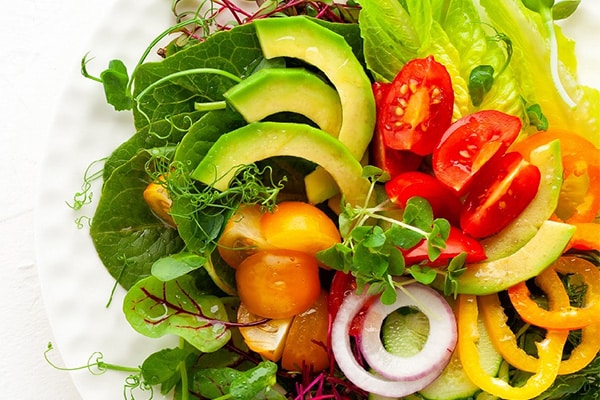
- Avocado
- Lemon
- Apples
- Pomegranate
- Grapefruit
Among the recommended vegetables are:
- Asparagus
- Broccoli
- Artichokes
- Carrots
- Cabbage
- Green beans
- Fennel
- Tomatoes
- Arugula
- Spinach
The legumes that can be eaten are:
- Chickpeas
- Beans
- Lentils
The other foods and spices allowed on the detox diet:
- Garlic
- Nori seaweed
- Aloe vera
- Goji berries
- Coriander
- Turmeric
- Olive oil
- Sesame seeds
- Decaffeinated green tea
- Ginger
Strictly forbidden foods
To cleanse your body, it is important that certain foods considered strictly forbidden are not eaten at all during the 7 days. These include alcoholic drinks. Coffee and herbal infusions can also “cancel out” the diet. Chewing gum, fried foods, butter, sweets, packaged foods and everything in the junk food category, such as fast food, are forbidden. Dairy products, red meat, salt and grains should also be consumed in moderation during the cleansing period.
Diet alone is not enough
Combining good physical activity with the detox diet is essential. A daily walk of about 30 minutes may be appropriate to help flush out toxins further. Intense workouts are not advisable, also because the low-calorie plan you are following does not guarantee your natural energy needs. Smoking should also be eliminated during the week of the diet. It is inevitable, in fact, that inhaling cigarette smoke is toxic to our body. This would go sharply against the diet. Regulating the sleep-wake rhythm is also a key aspect. In fact, sleeping too little and sleeping poorly does not help the body regenerate.
The best diet
The detox diet therefore remains inadvisable. Following a proper, balanced nutrition plan such as the Mediterranean diet and relying on the Nefrocenter specialists, who can draw up a personalized diet plan, will help you lose weight in a healthy way. That is, there will be a reduction in fat and the preservation of muscle mass. Even with a balanced diet, the goals of weight loss and the elimination of abdominal bloating are achieved. The result, even over time, is decidedly better. The variety of foods that can be eaten and the right calorie intake help you gain psychological benefits from the low-calorie eating plan, without resorting to the extremely rigid and unproven detox diet.