Cortisone diet
Cortisone diet: what should you eat while on therapy? Cortisone is one of the most widely used drugs in modern medicine.
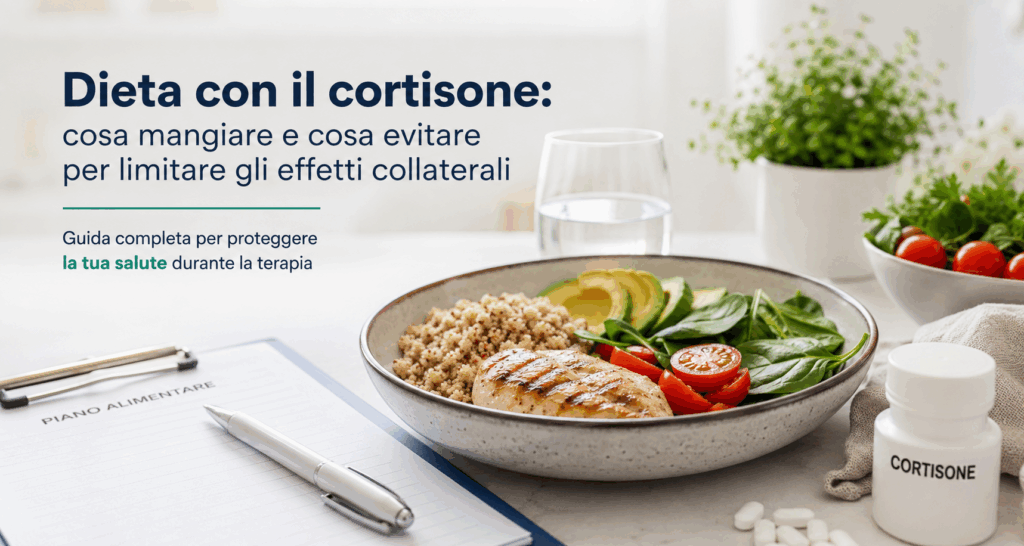
Cortisone diet: what to eat and what to avoid to limit side effects
Cortisone diet: what should you eat while on therapy? Cortisone is one of the most widely used drugs in modern medicine. It is prescribed to control inflammation, allergies, autoimmune diseases, and respiratory, dermatological, rheumatological and many other clinical conditions. In many cases it is an essential and highly effective therapy.
Alongside the benefits, however, treatment with corticosteroids can encourage certain metabolic side effects, especially when therapy continues over a long period or is given at high doses. The most common include an increase in blood sugar, fluid retention, increased appetite, weight gain, loss of muscle mass and reduced bone density.
For this reason, following an appropriate cortisone diet is one of the most useful ways to protect the body during therapy. Diet does not replace the drug, but it helps reduce unwanted effects and maintain the best possible balance.
The NefroCenter Group offers metabolic and nutritional prevention programs for patients taking corticosteroid therapy, with targeted checks of blood sugar, blood pressure, kidney function and body composition.
Why cortisone can increase weight and blood sugar
Cortisone (such as prednisone, prednisolone and dexamethasone) works by affecting the metabolism of carbohydrates, fats and proteins.
The main metabolic effects include:
- increased glucose production by the liver;
- reduced sensitivity to insulin;
- increased appetite;
- buildup of abdominal fat;
- retention of sodium and water;
- loss of potassium;
- reduced muscle mass;
- increased risk of osteoporosis.
These changes explain why many people notice swelling, weight gain and changes in their blood test results during therapy.
Cortisone diet: the main goals
A proper diet during cortisone therapy has five fundamental goals:
- Control blood sugar.
- Reduce fluid retention.
- Limit weight gain.
- Preserve muscle mass and bones.
- Protect the heart, kidneys and metabolism.
The diet should be balanced, sustainable and personalized according to the length of treatment, the dose of the drug and the characteristics of the patient.
What to eat with cortisone
Plenty of vegetables
Vegetables are rich in fiber, vitamins and minerals, and they help control blood sugar and keep you feeling full.
These are particularly useful:
- zucchini
- fennel
- broccoli
- cauliflower
- lettuce
- cucumbers
- bell peppers
- eggplant
Lean protein
Protein helps preserve muscle mass.
Recommended foods:
- fish
- chicken
- turkey
- eggs
- legumes
- plain Greek yogurt
Whole grains
Complex carbohydrates are absorbed more slowly and support better blood sugar control.
Examples:
- whole-grain bread
- oats
- brown rice
- farro (emmer wheat)
- barley
Fruit with a low glycemic index
- apples
- pears
- berries
- kiwi
- citrus fruit
Foods rich in calcium
Cortisone can reduce bone density.
These are useful:
- yogurt
- milk
- fresh cheeses
- calcium-rich mineral water
- leafy green vegetables
Foods rich in potassium
To counter potassium loss on a cortisone diet:
- banana
- kiwi
- avocado
- spinach
- potatoes
What to avoid on a cortisone diet
Too much salt
Sodium promotes fluid retention and higher blood pressure.
Limit:
- cured meats
- salty snacks
- ready-made meals
- highly aged cheeses
Simple sugars
Sweets and sugary drinks raise blood sugar rapidly.
Refined carbohydrates
White bread, cookies and industrially baked goods can worsen metabolic control.
Alcohol
It can raise blood sugar and blood pressure and increase the risk of stomach irritation.
Ultra-processed foods
They are high in sodium, sugar and low-quality fats.
Table: recommended foods and foods to limit on a cortisone diet
Recommended foods
- Fresh vegetables
- Legumes
- Oily fish
- White meat
- Plain yogurt
- Whole grains
- Fresh fruit
- Nuts in small amounts
- Water
Foods to limit or avoid
- Cured meats
- Aged cheeses
- Sweets
- Sugary drinks
- Packaged snacks
- Fast food
- Excess refined bread and pasta
- Alcoholic drinks
Cortisone and blood sugar
Cortisone can cause a temporary or persistent rise in blood sugar, even in people who have never had diabetes. This phenomenon is called steroid-induced hyperglycemia.
The risk is higher in the presence of:
- overweight;
- a family history of diabetes;
- prediabetes;
- older age;
- a sedentary lifestyle.
Anyone taking corticosteroids should have their blood sugar checked regularly and, if necessary, their glycated hemoglobin (HbA1c).
To learn more: Type 2 diabetes: early symptoms, causes and treatment
Cortisone and weight gain
Weight gain can result from:
- increased appetite;
- fluid retention;
- an increase in abdominal fat;
- reduced physical activity.
Weight gain is not inevitable, but it calls for attention to diet and lifestyle.
Cortisone and blood pressure
The therapy can lead to:
- higher blood pressure;
- edema;
- swelling of the hands and ankles.
Reducing salt and checking blood pressure regularly is particularly important, especially in patients with cardiovascular or kidney conditions.
Cortisone and bone health
Prolonged use can speed up bone loss.
To protect the skeleton, it helps to:
- take calcium and vitamin D as prescribed;
- be physically active;
- avoid smoking and alcohol;
- have targeted checkups.
Sample daily menu for a cortisone diet
Breakfast
Plain Greek yogurt with oats and berries.
Snack
An apple and a few almonds.
Lunch
Brown rice with vegetables and chicken breast.
Afternoon snack
Kiwi.
Dinner
Baked fish with broccoli and salad.
Physical activity and cortisone therapy
Walking regularly helps to:
- control blood sugar and weight;
- reduce muscle loss;
- improve blood pressure and overall well-being.
Even 30 minutes a day can make a significant difference.
When to see a specialist
It is worth asking for an evaluation if any of the following appear during therapy:
- rapid weight gain;
- high blood sugar;
- high blood pressure;
- marked swelling;
- muscle weakness.
An integrated approach involving your treating doctor, a specialist and a nutritionist makes it possible to manage treatment better.
Metabolic checkup during cortisone therapy
At the NefroCenter Group you can have a metabolic checkup that includes:
- blood sugar and glycated hemoglobin (HbA1c);
- lipid profile;
- blood pressure;
- body composition (bioelectrical impedance analysis, BIA);
- specialist consultation.
This program is useful for monitoring the effects of cortisone and stepping in promptly.
Frequently asked questions
Does cortisone always make you gain weight?
Not necessarily. Proper nutrition and clinical monitoring can reduce the risk.
Can I eat carbohydrates?
Yes, preferring whole grains and appropriate portions.
Do I have to eliminate salt completely?
No, but it is important to reduce your intake significantly.
Can cortisone cause diabetes?
It can raise blood sugar and, in people who are predisposed, contribute to the onset of diabetes.
How much water should I drink?
Unless there are medical contraindications, staying well hydrated is helpful for overall metabolism.
A cortisone diet requires awareness
Taking cortisone does not mean giving up metabolic balance. With an appropriate diet, regular checkups and a personalized program, it is possible to limit many side effects and go through treatment with greater peace of mind.
Taking care of blood sugar, blood pressure, weight and kidney health means supporting drug treatment with concrete tools of prevention and modern medicine.
Follow our tips on the Nefrocenter Group’s social channels too