Chronic sinusitis: symptoms and treatments
Chronic sinusitis, a persistent inflammation of the paranasal sinuses, can make the winter months a real nightmare.
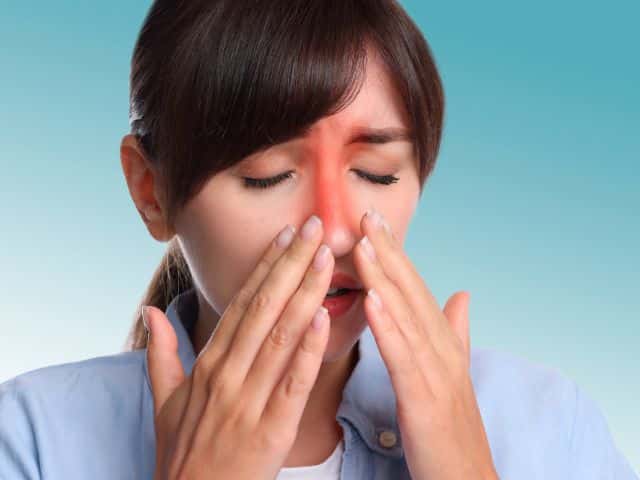
Chronic sinusitis, a persistent inflammation of the paranasal sinuses, can make the winter months a real nightmare. Cold weather, dry air and an increase in respiratory infections can intensify the symptoms, making daily life a little more complicated.
Symptoms of chronic sinusitis
Chronic sinusitis causes several problems. These include:
- Persistent nasal congestion. The annoying feeling of a stuffy nose is one of the most common and uncomfortable symptoms of chronic sinusitis. It is caused by inflammation and swelling of the nasal mucous membranes, which block the passage of air. Congestion can vary in intensity and often gets worse at night or in the morning.
- Thick nasal discharge. When the paranasal sinuses become inflamed, the mucus they produce tends to become thick, sticky and may take on a yellowish or greenish color. This change in color is a sign of the presence of inflammatory cells and, in some cases, of a bacterial infection. The discharge can be difficult to clear, causing nasal obstruction.
- Facial pain or pressure. Facial pain or a feeling of pressure is felt in the areas of the inflamed paranasal sinuses. In the maxillary sinuses (cheeks), there is pain or pressure under the eyes. Also in the frontal sinuses (forehead), with pain or pressure above the eyes. In addition, in the ethmoid sinuses (between the eyes), with pain or pressure between the eyes, or in the sphenoid sinuses (behind the eyes), where it shows up as deep pain or headache. The pain can get worse when you bend forward or press on the affected areas.
- Reduced or lost sense of smell (hyposmia/anosmia). Inflammation of the nasal mucous membranes can impair our ability to perceive odors. In some cases, the loss of smell is temporary, while in others it can become a chronic problem. Moreover, the loss of smell can also affect the sense of taste.
- Headache. The headache linked to chronic sinusitis is often located in the forehead area or around the eyes. This pain can result from the pressure that the inflamed paranasal sinuses put on the surrounding nerves. The intensity of the headache can range from mild to very severe and tends to get worse with head movements.
- Cough. Cough is often worse at night and occurs because of postnasal drip. Mucus running down the back of the throat irritates the airways, triggering coughing. It can be dry or productive, with mucus being coughed up.
- Sore throat. Throat irritation is often caused by postnasal drip, which brings mucus into contact with the mucous membranes of the throat. A sore throat can range from mild to intense and can get worse when you swallow.
- Fatigue. Chronic inflammation and breathing difficulties can lead to a feeling of tiredness and weakness. In addition, disturbed sleep because of nasal congestion and cough can contribute to this tiredness. It is important to keep in mind that the severity and combination of these symptoms can vary greatly from person to person. If you think you have chronic sinusitis, it is essential to see a doctor for an accurate diagnosis and an appropriate treatment plan.
Causes and risk factors of chronic sinusitis
There are several causes and risk factors for chronic sinusitis. These include bacterial and fungal infections, allergies, nasal polyps, a deviated nasal septum, environmental irritants and a weakened immune system. It is important to stress that chronic sinusitis is often the result of a combination of these factors. An accurate medical evaluation is essential to identify the specific causes and develop an effective treatment plan.
- Bacterial infections. They often result from untreated acute sinusitis and can be caused by bacteria such as Streptococcus pneumoniae, Haemophilus influenzae and Moraxella catarrhalis. These infections can lead to persistent inflammation and the production of thick mucus.
- Fungal infections. Although less common, they can occur especially in people with a weakened immune system or in the presence of nasal polyps. Allergic fungal sinusitis is a specific form of chronic sinusitis, caused by an allergic reaction to fungi present in the air.
- Allergies. Respiratory allergies, such as allergic rhinitis, can cause chronic inflammation of the nasal mucous membranes, increasing the risk of sinusitis. Ongoing exposure to allergens such as pollen, dust mites or pet dander can keep the inflammation going and hinder the drainage of the paranasal sinuses.
- Nasal polyps. These are benign growths that form in the tissue of the nasal lining or in the paranasal sinuses. They can block the drainage pathways of the sinuses, causing a buildup of mucus and chronic inflammation. They are often linked to chronic sinusitis and asthma.
- Deviated nasal septum. When the nasal septum is significantly deviated, it can obstruct the flow of air and the drainage of the paranasal sinuses. This creates an ideal environment for chronic inflammation and infections.
- Environmental irritants. Prolonged exposure to irritants such as cigarette smoke, air pollution, chemical fumes or dust can irritate the lining of the nose and paranasal sinuses. These irritants can contribute to chronic inflammation and sinusitis.
- Weakened immune system. A weakened immune system, because of chronic diseases, immunosuppressive drugs or other conditions, can make it harder to fight infections in the paranasal sinuses. This can lead to recurrent or persistent infections, which can turn into chronic sinusitis.
Treatment
One of the treatments for chronic sinusitis is drug therapy. Nasal corticosteroids are the main treatment for chronic sinusitis, because they help reduce inflammation of the nasal mucous membranes and the paranasal sinuses. They come as nasal sprays and are generally well tolerated. Often, they need to be used regularly and for a prolonged period to achieve optimal symptom control. By contrast, decongestants offer temporary relief from nasal congestion by constricting the blood vessels in the nasal lining. However, if used for a long time, they can cause “rebound congestion”, making things worse. For this reason, it is best to use them only for short periods (a few days).
Use antibiotics only if there is a confirmed bacterial infection. They are not effective against viral or fungal infections. In addition, overuse of antibiotics can contribute to resistance, so it is essential to use them only when strictly necessary. Furthermore, antihistamines are particularly useful if chronic sinusitis is caused or made worse by allergies. They help reduce allergy symptoms such as sneezing, itching and nasal congestion. They can be taken by mouth or as nasal sprays.
Other treatments
Among the treatments for chronic sinusitis is nasal irrigation with saline solution, an effective and safe way to clear mucus, debris and irritants from the paranasal sinuses. It can be done with a syringe, a spray bottle or a dedicated nasal irrigation device. Regular irrigation can improve the drainage of the paranasal sinuses and reduce inflammation. In addition, keeping a good level of humidity at home can really make a difference, helping to prevent dryness of the nasal mucous membranes, which can make sinusitis symptoms even more bothersome. Cool-mist humidifiers are usually the best choice. Remember to clean the humidifier regularly to prevent the growth of mold and bacteria. Also,
inhaling hot steam, known as steam inhalation, can be a great way to loosen mucus and relieve nasal congestion. You can also add essential oils such as eucalyptus or menthol for a little extra relief.
Surgery for chronic sinusitis
Surgery is considered only in the most severe cases or when more conservative treatments do not work. Surgical procedures can include removing nasal polyps, correcting a deviated nasal septum or opening the paranasal sinuses to improve drainage. Endoscopic sinus surgery is a minimally invasive technique that uses an endoscope to view and treat the paranasal sinuses. It is really important to consult an ear, nose and throat (ENT) specialist for an accurate evaluation and a personalized treatment plan for chronic sinusitis. At the facilities of the Nefrocenter group, surgery can be performed by specialists who use state-of-the-art equipment.
Tips for getting through the cold months
When the winter months arrive, low temperatures and dry air can make life difficult for people with chronic sinusitis. That is why it is so important to take a few precautions to protect your airways and prevent things from getting worse.
1. Avoid sudden temperature changes. Moving quickly from warm to cold environments can irritate the nasal mucous membranes and increase inflammation. Be sure to bundle up when you go out, wearing a scarf, hat and gloves. Dressing in layers is a good idea to adapt to changes in temperature.
2. Cover your nose and mouth. Cold, dry air can dry out and irritate the nasal mucous membranes, leading to increased mucus production and congestion. Using a scarf or a mask to cover your nose and mouth when you are outdoors can help warm and humidify the air you breathe. This small step can reduce irritation and prevent dryness of the mucous membranes.
3. Stay well hydrated. Drinking plenty of fluids, such as water, herbal teas and broths, is essential to thin the mucus and make it easier to clear. Hydration becomes even more important in winter, when dry air can dehydrate the mucous membranes. Try to limit alcoholic and caffeinated drinks, which can dehydrate you further.
4. Use a humidifier. The dry air of heated rooms can dry out the nasal mucous membranes and make sinusitis symptoms worse. Using a humidifier at home is a great way to maintain an adequate level of humidity, preventing dryness of the mucous membranes. Remember to clean the humidifier regularly to prevent the growth of mold and bacteria.
5. Wash your hands often. Respiratory infections, such as colds and flu, tend to be more widespread in winter and can make sinusitis worse. Washing your hands frequently with soap and water, or using an alcohol-based sanitizer, is a great way to reduce the risk of infection. It is also advisable to avoid contact with sick people and not to touch your face with dirty hands.
A few extra tips: Use saline nasal rinses to clear mucus and moisturize the mucous membranes. Using seawater-based nasal sprays can help reduce congestion. It is best to avoid cigarette smoke and exposure to irritants. Make sure you get enough rest and follow a balanced diet to strengthen your immune system.
When to contact your doctor
Chronic sinusitis can greatly affect quality of life, but with proper management it is possible to relieve symptoms and lead a normal life even in the winter months. However, there are times when it is essential to see a doctor for a more thorough evaluation and tailored treatment. People with a weakened immune system, asthma or other chronic conditions should contact a doctor even if they have mild sinusitis symptoms. Pregnant women should always consult their doctor before taking any medication for sinusitis. Early diagnosis and appropriate treatment of chronic sinusitis can prevent complications and significantly improve quality of life.
When it is advisable to see a specialist for chronic sinusitis
- Symptoms lasting more than 10 days. If sinusitis symptoms, such as nasal congestion, facial pain or thick discharge, last more than 10 days despite home remedies, it is important to see a doctor. This could signal a bacterial infection or another condition that requires specific treatment.
- Symptoms getting worse despite treatment. If symptoms get worse despite the use of over-the-counter medications, nasal irrigation or other home therapies, it is essential to see a doctor. This could indicate the need for stronger medications or for surgery.
- High fever. A high fever can indicate a serious bacterial infection and requires immediate medical attention. In these situations, the doctor may prescribe antibiotics to fight the infection.
- Severe facial pain. Severe facial pain can be a symptom of severe sinusitis or of other medical problems. It is essential to see a doctor to rule out complications and receive the right treatment.
- Changes in vision. If you notice changes in your vision, such as blurred or double vision, it could be a serious complication related to sinusitis, such as an orbital infection. In these cases, it is essential to seek urgent medical care.