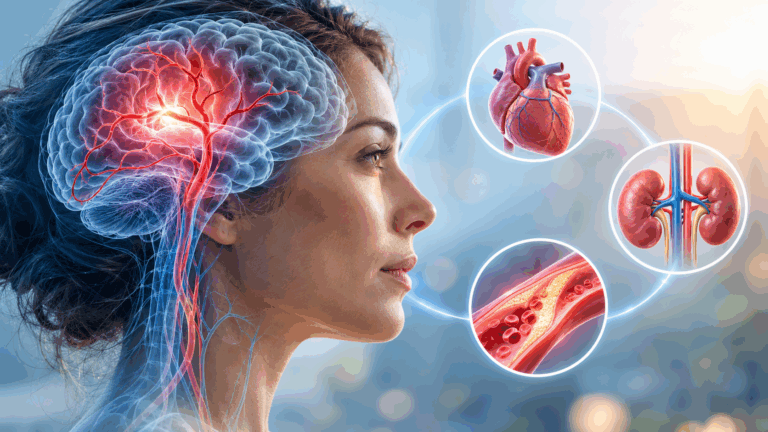
Cerebral palsy in children: what it is and its causes
CEREBRAL PALSY. Will he walk? Will he talk? Will he go to school like all the other children? In short, what will his life be like?
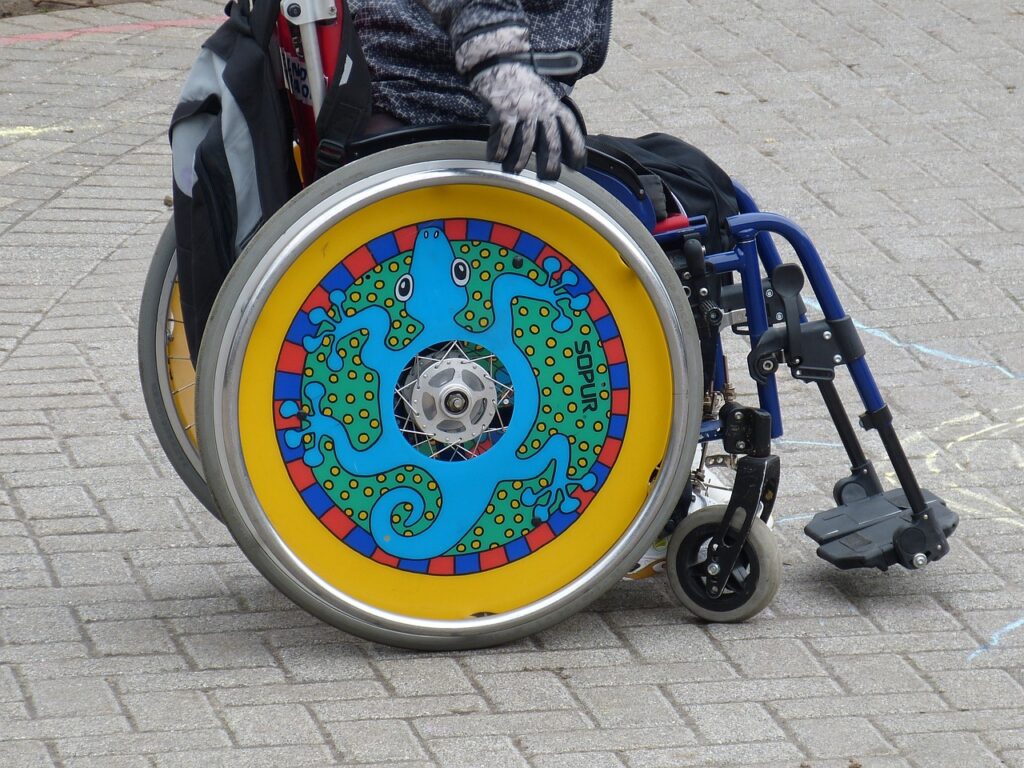
Will he walk? Will he talk? Will he go to school like all the other children? In short, what will his life be like? This is the ordeal faced by the parents of children who survived the complications of a pregnancy or a difficult birth. Children born alive but with a diagnosis of cerebral palsy (CP) that leaves their families facing a thousand questions about the future. Most children make it, if CP (the acronym for Cerebral Palsy) is diagnosed in time. They will have an almost normal life, probably with spasticity in one or more limbs. Statistics say that 60% are able to walk on their own, 10% with help and 30% are confined to a wheelchair. An ordeal for families and for children, prolonged over the years, when rehabilitation and any surgery will take up the space of play, carefree days and freedom. Children who chase their independence, but who cannot control the areas of the mind needed to perform certain movements, pronounce certain words or sentences or read numbers with many digits, for example. They struggle every day to normalize a condition they have had since birth and which improves with long therapies that can last even decades. Substantial improvements, but ones that require years of sacrifice.
What cerebral palsy is
Cerebral palsy is a neurological condition. It is characterized by brain damage that affects the areas controlling muscles and movement in general. The damage can also occur through ischemia or hemorrhage in childhood, but in most cases it is caused by asphyxia during birth. Brain damage that, at best, affects posture, the ability to communicate and even the affected person’s perception of space. In the most serious cases, on the other hand, there may be intellectual problems as well as total motor disability. In fact, CP creates a disability that does not progress over time, so it does not lead to worsening but neither to a complete recovery, and it appears in childhood. The damage from cerebral palsy is defined as persistent. This is because the brain lesion cannot be repaired. The lesion itself, however, does not degenerate, since it is replaced by a scar lesion of the same kind.
Classification of CP by motor function
One of the criteria for classifying cerebral palsy is based on motor function.
- SPASTIC CP. Characterized by muscle stiffness in one or more limbs, it is the form that affects most children affected at birth or in childhood.
- DYSKINETIC CP. Causes involuntary movements of the limbs. They occur when there is an attempt to make voluntary movements and during strong emotions. However, they do not affect the person during sleep, so there are no spasms while sleeping.
- ATAXIC CP. Produces shaky movements because it affects balance and the sense of position and perception of space. For example, those affected cannot step down a stair because they perceive the space as much higher.
- HYPOTONIC CP. It is a non-spastic form that reduces muscle tone, especially in the limbs.
- MIXED CP. Cerebral palsy that has one or more of the forms listed above is defined as the mixed form.
Classification of cerebral palsy by the parts of the body affected
Spastic tetraplegia is the most severe form caused by CP, because it involves the arms and legs and is called spastic tetraparesis. Cerebral palsy is also classified according to the parts of the body affected. CP with quadriplegia, or bilateral, is the form that affects all the limbs, the trunk, the face and the mouth. It is the most severe form. Diplegia, or bilateral, on the other hand, refers to the form that affects the legs. Hemiplegia, or unilateral, is the form that affects one leg and one arm on the same side of the body. There are also forms with a lower incidence that affect a single limb, namely monoplegia, or three limbs, such as triplegia.
Classification based on motor function
Another form of classification of CP concerns motor function. The scale used is the Gross Motor Function Classification System. GMFCS level 1 allows a child affected by CP to perform all movements, such as running or climbing stairs while carrying an object. At level 2 there is difficulty running and a handrail is needed to keep balance on stairs. At level 3 the child can walk with a walker or in a wheelchair, while at level 4 there is difficulty even in holding the trunk upright. Level 5 is the most severe, and even the head must be supported during transfers because the child cannot hold it up independently.
The causes and risk factors
The causes of cerebral palsy in children are to be found in neonatal brain injuries (also caused by infections), problems during birth, postnatal brain injuries and genetic factors. There are risk factors such as prematurity. In fact, children born prematurely have a higher percentage of risk of developing CP. Another high risk is represented by infections contracted by the mother during pregnancy or by complications such as asphyxia during birth or prolonged labor. There is also a risk factor related to family history, where a brother or sister has already been affected by cerebral palsy.
Treatments
There is no definitive cure for cerebral palsy; the goal is to improve patients’ quality of life through physical therapy, occupational therapy and speech therapy. In some cases medications are used to relieve symptoms such as the pain that comes from movements. Surgery may be used to reduce spasticity and correct deformities, such as the equinus foot that can be one of the consequences. Recently, the use of assistive technologies to improve the mobility of those affected has become more widespread.
World Cerebral Palsy Day
World Cerebral Palsy Day is celebrated on October 6. It is the most common condition to appear in childhood. An estimated 1.6 cases per 1,000 live births, for a total of 10,000 new cases every year. Despite this, it is still considered a rare condition, but as many as 17 million people worldwide have been affected and live with the consequences of CP. Numerous associations are close to patients and families, and the NefroCenter group has a rehabilitation center within it. In addition, at Rome American Hospital there is one of the most important and best-equipped physical therapy facilities.