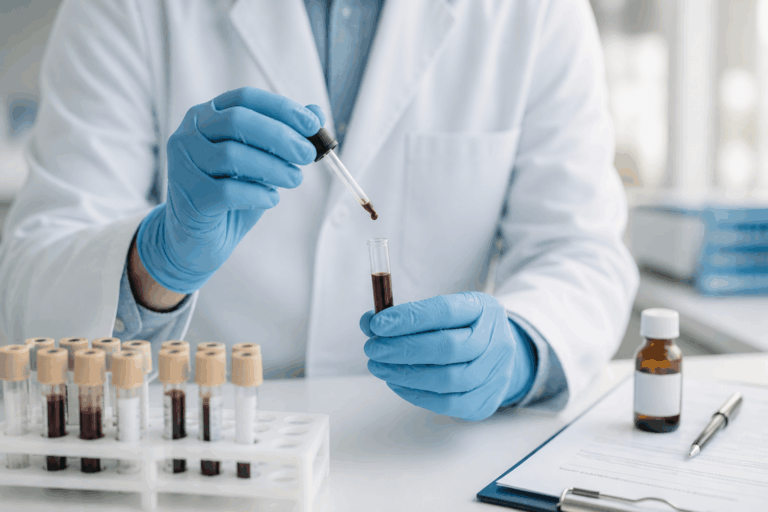
Blood tests for the liver: what the values mean
Blood tests for the liver are important for detecting any malfunction of the gland.

Blood tests for the liver are important for detecting any malfunction of the gland. Getting checked is essential, because the liver is a gland that performs vital functions. Among them are the production of proteins and the activation of enzymes. The proteins produced by the liver include albumin, transferrin and ceruloplasmin. There are several types of blood tests for the liver. They are used to assess liver function and are usually prescribed by the general practitioner (GP). They are done for routine checkups or when the patient shows symptoms that could be traced back to liver distress.
What the blood tests for the liver are
The blood tests for the liver are:
- Alanine aminotransferase (ALT): an enzyme produced by the liver. Its presence in the blood shows that there are damaged liver cells. When alanine aminotransferase levels are markedly elevated, they may also indicate damage to the gland. It is necessary, however, to investigate further with additional diagnostic tests that can be done at the Nefrocenter Labs.
- Aspartate aminotransferase (AST): like alanine, it is one of the transaminases. With this enzyme too, high values may indicate liver damage. Aspartate aminotransferase can also provide indications of suspected damage to the heart or muscles.
- Gamma-glutamyl transferase (GGT): another enzyme found particularly in the liver and the bile ducts. In addition to indicating liver damage, high GGT values can give indications of problems in the pancreas and kidneys.
- Bilirubin: the breakdown of red blood cells produces a yellow pigment that is called, precisely, bilirubin. The liver is responsible for removing the bilirubin carried in the blood and excreting it into the bile. When blood tests show a high bilirubin value, there may be a liver malfunction.
- Albumin and total proteins: albumin is one of the proteins produced by the liver. When it is too low there may be a problem with the liver. It is an important protein that helps maintain the osmotic pressure of the blood and transports substances such as hormones, drugs and fatty acids.
- Transferrin is the protein that binds iron and carries it through the blood to the cells that need it.
- Ceruloplasmin, on the other hand, is a protein that helps regulate copper levels in the body.
Transaminases: what to know
Transaminases are a group of enzymes found in the cells of the liver and of other organs such as the heart, skeletal muscles, pancreas and kidneys. The two types of transaminases most relevant to diagnosing liver disease are alanine aminotransferase (ALT) and aspartate aminotransferase (AST). ALT and AST are enzymes that take part in the metabolism of amino acids. When there is damage to liver cells, these enzymes are released into the bloodstream, raising their levels in the blood. For this reason, measuring ALT and AST levels can be useful in diagnosing liver diseases such as hepatitis, cirrhosis and liver cancer.
There is not always liver damage
However, it is important to remember that high levels of ALT and AST in the blood do not always indicate liver disease and can also be caused by other factors, such as taking certain drugs, alcoholism, obesity, intense physical activity or the presence of other diseases involving the organs in which these transaminases are found. The evaluation of transaminase levels should always be carried out by the doctor, who will assess the patient’s overall clinical picture and decide whether further diagnostic tests are needed. In summary, the proteins and enzymes of the liver perform many important functions in the human body, including the transport of substances, the metabolism of amino acids and the regulation of mineral levels such as iron and copper. The doctor may also request other specific blood tests based on the individual needs of the patient. It is important to discuss the results of the blood tests for the liver with the doctor, along with any necessary therapeutic measures.